
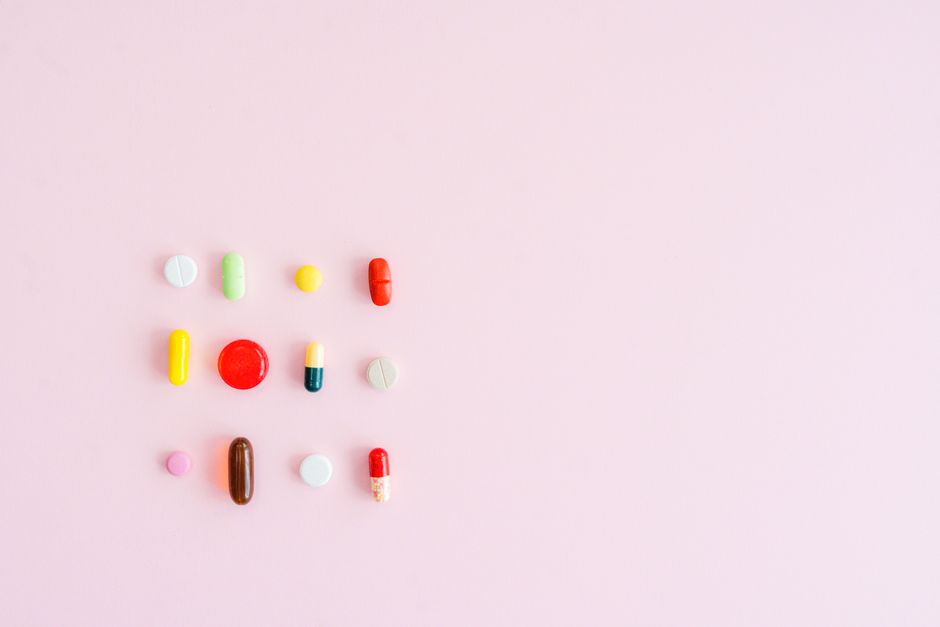
A drug screen is a laboratory test that checks your blood, urine, saliva, or hair for the presence of specific drugs or their breakdown products. These tests do not measure impairment or how much of a drug is in your system. They simply detect whether a drug, or evidence of recent use, is present at or above a specific cutoff level. Employers, medical professionals, and legal authorities use these tests for different reasons, but the basic science behind them is the same.
How Does a Drug Screen Actually Work?
Most standard drug screens are immunoassays. This is a scientific term for a test that uses antibodies to detect specific drugs. If the drug is present in your sample, it binds to the antibody and triggers a chemical reaction that shows up as a positive result.
This first step is fast and relatively inexpensive. However, immunoassays are not perfect. They can sometimes produce false positives because they may react to other substances that are chemically similar to the target drug. Because of this risk, a positive result on an initial screen is rarely treated as final.
When an initial screen comes back positive, most laboratories run a second, more precise test called gas chromatography-mass spectrometry, or GC-MS. This test is considered the gold standard for confirming drug use. It separates the sample into its individual chemical components and identifies them with near certainty. A confirmed positive result requires both the initial screen and the confirmation test to agree.
What Drugs Are Included in a Standard Panel?
The most common drug screen is the five-panel test. It checks for the substances that are most frequently tested in the workplace. These include marijuana, cocaine, opiates, amphetamines, and phencyclidine (PCP).
Many employers and agencies use expanded panels that test for more substances. A ten-panel test is also common. It adds drugs like barbiturates, benzodiazepines, methadone, propoxyphene, and quaaludes. Some panels also include synthetic opioids like fentanyl or synthetic cannabinoids like K2, though these require specialized testing.
It is important to know that prescription medications can trigger a positive result on a drug screen. For example, certain pain relievers will show up as opiates, and some ADHD medications will show up as amphetamines. If you take a prescription medication, you should disclose it to the testing facility before your test.
How Long Can Drugs Be Detected?
Detection windows vary significantly depending on the drug, the type of sample collected, and the individual person. This is not a measure of how long the drug affects you. It is only a measure of how long the drug or its metabolites remain detectable in your body.
Urine tests are the most common method. They typically detect recent use over the past one to three days for most drugs. Marijuana is the exception. In occasional users, it can be detected for up to a week. In heavy or chronic users, it can be detected for several weeks or even longer because THC is stored in fat cells and released slowly over time.
Blood tests have the shortest detection window, usually only a few hours to a day for most substances. Saliva tests detect use within the past one to two days. Hair tests have the longest window and can detect drug use for up to 90 days, but they cannot tell when the use occurred within that period.



What Can Cause a False Positive or a False Negative?
False positives are more common than most people realize. Certain over-the-counter cold medications, prescription antidepressants, and even some foods like poppy seeds can trigger a positive result on an initial immunoassay screen. Poppy seeds contain trace amounts of morphine and codeine, which can cause a positive opiate test.
This is why confirmation testing is so critical. A GC-MS confirmation test will correctly identify whether the substance is truly present. If you believe you received a false positive, you have the right to request the confirmation test results and review the chain of custody documentation.
False negatives also occur. They are usually caused by attempts to dilute the sample by drinking excessive water before the test. Most labs measure creatinine levels to determine if a sample has been diluted. If the sample is too dilute, the lab will reject it and require a new collection under observation.
What Happens During the Testing Process?
The collection process depends on the type of test being performed. For a urine test, you will be asked to provide a sample in a private restroom. Some testing facilities require that you remove outer clothing and leave personal belongings outside to prevent tampering. The collector will check the temperature of the sample to ensure it is fresh.
For a blood test, a trained phlebotomist draws blood from a vein in your arm. This is quick and typically causes minimal discomfort. Saliva tests involve swabbing the inside of your cheek. Hair tests require cutting a small sample of hair, about the width of a pencil, from close to the scalp.
Once collected, the sample is sealed, labeled, and sent to a laboratory. Results are typically available within one to three business days for initial screens. Confirmation testing can add several more days to the process.
Why Do Employers and Doctors Order These Tests?
Employers often require pre-employment drug screens as a condition of hiring. Many also conduct random tests for current employees in safety-sensitive positions, such as transportation, healthcare, or heavy machinery operation. These tests are governed by company policy and, in some industries, by federal regulations.
Doctors order drug screens for several reasons. They may monitor patients who are taking controlled substances for chronic pain to ensure the medication is being taken as prescribed and not diverted to others. They may also screen patients in emergency situations when drug use is suspected as a cause of symptoms. In addiction treatment programs, regular drug screens are used to verify abstinence and support recovery.
Legal and court systems use drug screens for probation monitoring, child custody cases, and other situations where drug use is relevant. The specific reason for your test determines the chain of custody requirements and the legal standards that apply.
Can You Beat a Drug Screen?
There is no reliable way to speed up the elimination of drugs from your body. Products sold online that claim to cleanse your system are not supported by clinical evidence. Drinking large amounts of water, taking vitamins, or using detox kits will not reliably alter your test results.
Some people attempt to substitute a clean sample or add adulterants to the sample to mask drug use. Laboratories have safeguards against these methods. They check sample temperature, pH, creatinine levels, and specific gravity to detect tampering. Attempting to tamper with a drug screen is usually treated as a refusal to test, which carries the same consequences as a positive result.
The best approach is to be honest with the testing facility about any prescription medications you take. This documentation protects you in the event of a false positive. If you have a medical marijuana card, it does not protect you from a positive workplace drug screen unless your state has specific laws prohibiting discrimination against medical marijuana patients.
What Are Your Rights Regarding a Drug Screen?
Your rights depend on the context of the test. For employment, most private employers can require drug testing as a condition of employment, but they must follow state laws regarding notice and testing procedures. Federal employees and those in federally regulated industries have additional protections.
You have the right to be informed before you provide a sample. You also have the right to receive a copy of your results. If your test comes back positive, you have the right to request a confirmation test and to review the laboratory’s quality control documentation.
If you believe your test was administered improperly or the results are inaccurate, you can challenge the result. This typically involves requesting a re-analysis of the original sample. Laboratories are required to retain samples for a specific period, usually up to one year, to allow for this possibility.
Frequently Asked Questions
How long does a drug screen take to show results?
Initial screening results are usually available within one to three business days. Confirmation testing, when needed, can add several additional days to the process.
Can prescription medications cause a positive drug screen?
Yes, many prescription medications can trigger a positive result on an initial screen. You should disclose all prescription medications to the testing facility before providing your sample.
What is the difference between a drug screen and a drug test?
A drug screen is the initial immunoassay test that provides a quick result. A drug test, in clinical terms, usually refers to the confirmatory GC-MS testing that verifies the initial result with high accuracy.
Will a drug screen detect alcohol?
Standard five-panel and ten-panel drug screens do not test for alcohol. Alcohol requires a separate breath, blood, or urine test that is ordered independently.
