
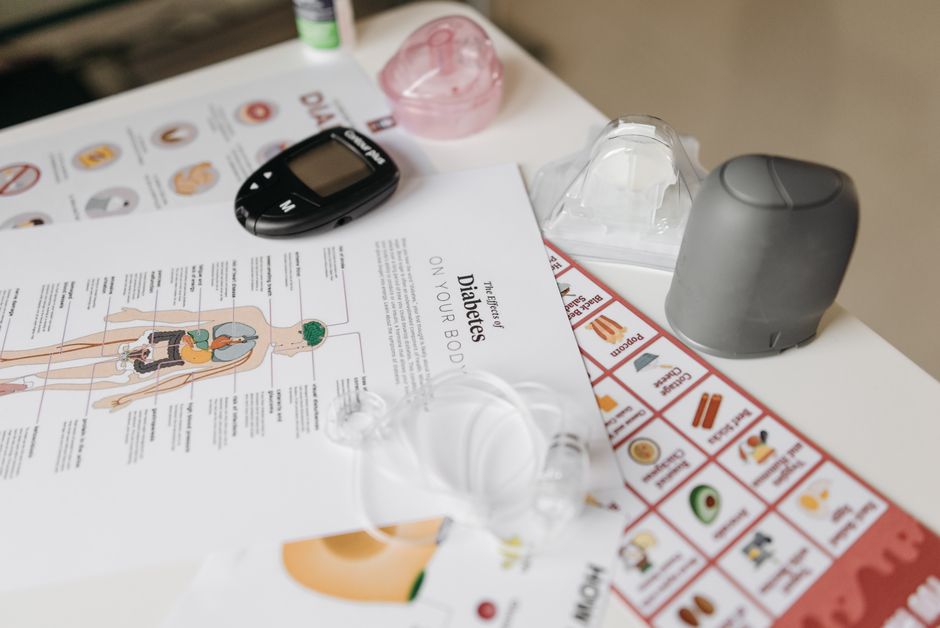
A Dexcom is a brand of continuous glucose monitor, or CGM. It is a small device that tracks your blood sugar levels in real time, all day and night. Instead of a single finger-stick reading, a Dexcom gives you a constant stream of data delivered to your smartphone or receiver.
How Does a Dexcom Continuous Glucose Monitor Work?
A Dexcom system has three main parts. A tiny sensor wire is inserted just under the skin, usually on the belly or upper arm. This sensor measures the glucose level in the fluid between your cells, which is called interstitial fluid. A transmitter attaches to the sensor and sends the data wirelessly. The receiver, which is often a smartphone app, displays the numbers.
The sensor is not measuring your blood directly. It measures the fluid surrounding your cells. This creates a slight delay. The glucose reading on your screen is usually about 5 to 10 minutes behind your actual blood glucose level. This matters most when your sugar is changing quickly, such as after a meal or during exercise.
Most Dexcom sensors are worn for 10 to 14 days before they need replacing. The transmitter has a longer life and is typically replaced every 90 days. The system is designed to be waterproof, so you can shower and swim while wearing it.
Who Uses a Dexcom and Why?
Dexcom devices are primarily used by people with diabetes. This includes both type 1 and type 2 diabetes. For type 1 diabetes, a CGM is often considered a standard part of care. It helps manage insulin doses and reduces the risk of severe low blood sugar events, known as hypoglycemia.
People with type 2 diabetes also use CGMs, especially those who take insulin. The real-time data helps them understand how food, activity, and stress affect their glucose levels. Some doctors also recommend CGMs for people with gestational diabetes, which is diabetes that develops during pregnancy.
Dexcom also sells a version for people without diabetes. This is marketed for general wellness and fitness tracking. The evidence for using a CGM in people without diabetes is far less established. There is no clinical consensus that tracking glucose continuously improves health outcomes in this group.
What Do the Alerts and Alarms Do?
One of the main benefits of a Dexcom is its alert system. You can set it to warn you when your glucose is getting too high or too low. This is a critical safety feature. For example, you can set a low alert at 70 mg/dL. If your glucose drops to that level, the device sounds an alarm, even if you are asleep.
There is also an urgent low alarm. This is a separate alarm that cannot be turned off. It goes off when your glucose drops to a dangerously low level. This feature is particularly valuable for people who experience hypoglycemia unawareness, a condition where they no longer feel the symptoms of low blood sugar.
Dexcom systems can also share data with other people. Through a mobile app, a family member or caregiver can follow your glucose readings remotely. This is often used for children with diabetes or for older adults living alone. The caregiver can receive alerts if the glucose goes out of range.




How Accurate Is a Dexcom?
Dexcom sensors are generally accurate, but they are not perfect. Accuracy is measured by something called the MARD score. A lower MARD score means closer agreement with a standard blood glucose meter. Dexcom models have consistently shown good accuracy in clinical studies.
You still need to do finger-stick checks in certain situations. If your symptoms do not match the CGM reading, you should verify with a traditional meter. For example, if the CGM says your sugar is fine but you feel shaky and sweaty, check with a finger-stick. The CGM reading might be delayed or incorrect.
Accuracy can also be affected by the sensor itself. A sensor that has moved or is not fully seated can give faulty readings. Pressure on the sensor while sleeping can cause false low readings. This is sometimes called a compression low. It happens when you roll over and press on the sensor site, reducing blood flow to the area.
What Are the Costs and Insurance Considerations?
Dexcom systems are not cheap. The cost includes the transmitter, the sensors, and the receiver app. Without insurance, a month of supplies can cost several hundred dollars. The exact price varies depending on the model and where you buy it.
Most private insurance plans cover CGMs for people with diabetes who meet certain criteria. Medicare also covers Dexcom devices for beneficiaries with diabetes who are on insulin therapy. Medicaid coverage varies by state. You should check with your insurance provider to understand your specific coverage and out-of-pocket costs.
Dexcom offers a patient assistance program for people who qualify based on financial need. The company also provides free replacement sensors if a sensor fails before its wear time is up. This is a standard warranty policy, not a special promotion.
Dexcom vs. Other CGM Brands
Dexcom is one of several CGM manufacturers. The other major brands include Abbott’s FreeStyle Libre and Medtronic’s Guardian system. Each has different features.
FreeStyle Libre is often marketed as a flash glucose monitor rather than a true CGM. The newer Libre models do provide continuous readings, but the sensor placement and calibration differ from Dexcom. Medtronic CGMs are often integrated with their insulin pumps, forming a closed-loop system that automatically adjusts insulin delivery.
Dexcom’s main advantage is its real-time alerts and remote monitoring capabilities. It is also compatible with many insulin pumps, including some from other manufacturers. The choice between brands often comes down to personal preference, insurance coverage, and whether you use a specific insulin pump.
Frequently Asked Questions
Is a Dexcom painful to insert?
Most people describe the insertion as a quick pinch. The insertion device is spring-loaded and the sensor wire is very thin, so the discomfort is brief and minimal.
Can I shower or exercise with a Dexcom?
Yes. Dexcom sensors and transmitters are waterproof and designed for daily wear, including showering, swimming, and exercise. The sensor adhesive is strong enough to stay on through most physical activity.
Do I still need finger-stick tests with a Dexcom?
You need finger-sticks for calibration on some models and to verify readings when symptoms do not match the CGM display. You also need them for making insulin dosing decisions during the first 24 hours after inserting a new sensor.
Does a Dexcom work with an insulin pump?
Yes, several Dexcom models integrate directly with insulin pumps from companies like Tandem and Insulet. This integration allows the pump to adjust insulin delivery based on CGM readings automatically.
