
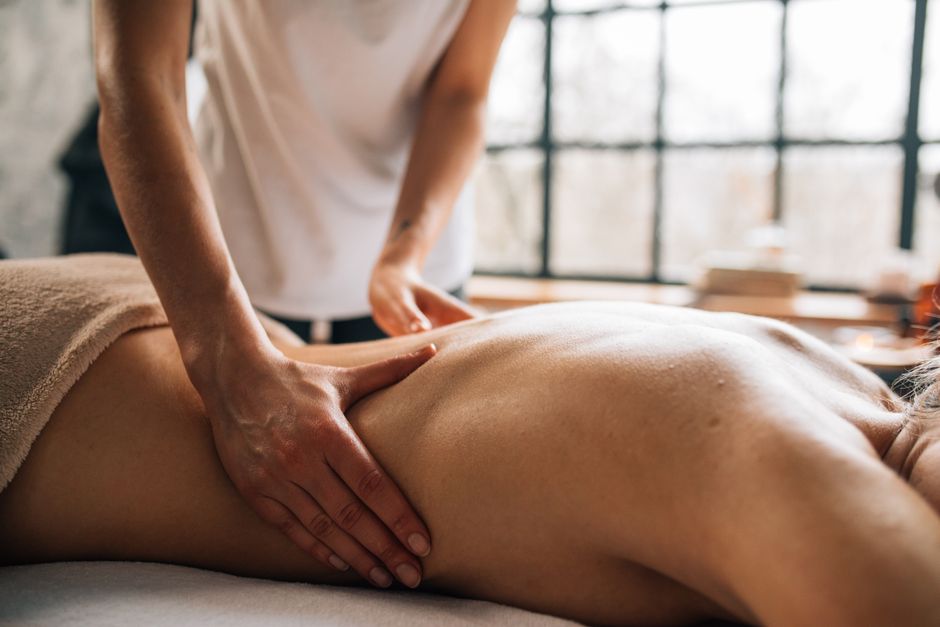
A deep tissue massage is a type of massage that targets the deeper layers of muscle and the connective tissue around them. It uses slow, firm strokes and sustained pressure to reach tissue that sits below the surface muscles. It is not simply a harder version of a relaxing Swedish massage. The intent, the technique, and the risks are different.
Most people meet deep tissue work through a therapist, a chiropractor’s office, or a sports clinic. It is often chosen for stubborn knots, chronic tension, or recovery after heavy activity. Here is what the technique actually involves, what the evidence supports, and where the honest limits sit.
What Is A Deep Tissue Massage?
Deep tissue massage is a hands-on technique that applies sustained pressure to deep muscle layers and the fascia, the sheet of connective tissue that wraps muscles. The therapist works slowly, often using fingers, thumbs, knuckles, forearms, or elbows. The pace is deliberate and the pressure is heavier than in a standard relaxation massage.
The defining feature is not brute force. It is the direction and speed of the strokes. Deep tissue work typically moves across the grain of the muscle fibers rather than along them. Pressure is held and released gradually, giving tissue time to respond. A therapist trained in the technique adjusts depth to what the body can tolerate rather than pushing to a fixed level.
Sessions usually last 60 to 90 minutes. Some therapists focus on one region, such as the upper back or hips. Others work across the whole body. The approach varies by practitioner and by the problem being addressed.
How Is Deep Tissue Massage Different From Swedish Massage?
Swedish massage is built for relaxation and circulation. It uses lighter, flowing strokes, kneading, and rhythmic movement. Deep tissue massage is built to reach deeper structures and is often used for pain or restricted movement. The two share some techniques but serve different goals.
The table below compares the two in general terms. Individual therapists vary, so treat this as a guide rather than a strict rule.
| Feature | Swedish massage | Deep tissue massage |
|---|---|---|
| Primary goal | Relaxation and general circulation | Address deep tension, pain, or restricted movement |
| Pressure | Light to moderate | Firm to deep |
| Pace | Rhythmic and flowing | Slow and sustained |
| Typical sensation | Soothing | Firm pressure, sometimes tender |
| Common setting | Spa or wellness center | Clinical, sports, or therapeutic setting |
One point worth making clearly: deep tissue does not mean painful. A good therapist works at a level that feels like firm pressure, not sharp pain. If you have to hold your breath or tense up, the pressure is too much for that moment.
What Does The Evidence Say About Deep Tissue Massage?
The evidence for deep tissue massage is real but limited. Some studies suggest it can reduce muscle tension and improve how much a joint or muscle can move. Results vary, and many studies are small or look at a single session. That limits how much can be claimed.
For low back pain, massage of various kinds is often used and some clinical guidance lists it as an option alongside other care. The evidence does not single out deep tissue massage as clearly better than other types. For neck pain and tension headaches, some research suggests massage may help in the short term, but the quality of evidence is modest.
Where the picture is weakest is in claims about breaking up scar tissue, “releasing toxins,” or correcting long-term structural problems. No strong clinical evidence confirms that massage breaks down scar tissue or flushes toxins from the body. The body clears waste through the liver and kidneys, not through pressure on the skin. Those claims are marketing language, not established science.
What is well established is the mechanical effect. Firm pressure on muscle and fascia can change local blood flow and reduce the sensation of tightness. That is a real, if modest, effect. It is not the same as curing a chronic condition.





What Happens During A Session?
A session usually starts with a short conversation about where you feel tension, what you want from the massage, and any health conditions. The therapist then works in layers, starting with lighter pressure and going deeper as the tissue warms and relaxes.
You will be asked to breathe steadily and to speak up if pressure feels too strong. Good practitioners check in during the session. Communication is part of the treatment, not an interruption of it.
Afterward, some people feel loose and relaxed. Others feel tender for a day or two, similar to the ache after exercise. That soreness is common and usually settles on its own. Drinking water afterward is often suggested, though there is no strong evidence that it changes how the body responds.
Who Should Be Careful With Deep Tissue Massage?
Deep tissue massage is not right for everyone. The pressure is firm, and in some situations that carries risk. Talk to a doctor before booking if any of the following apply to you.
- You are pregnant. Some massage is considered acceptable in pregnancy, but deep abdominal and deep tissue work needs a clinician’s input first.
- You take blood thinners or have a bleeding disorder. Firm pressure can cause bruising.
- You have a history of blood clots, varicose veins, or circulation problems.
- You have osteoporosis or fragile bones.
- You have an active infection, fever, or skin condition in the area to be worked.
- You have recently had surgery or an injury that is still healing.
- You have cancer that has spread to bone or is being treated with certain therapies.
This is not a complete list. The safe move is to tell your therapist about your health history and let a doctor weigh in when you are unsure.
Does Deep Tissue Massage Actually Help With Pain?
For some kinds of muscle and joint pain, massage can offer short-term relief. The effect is usually modest and temporary. It works best as part of a broader plan that includes movement, strength work, and medical care where needed.
Deep tissue massage is not a treatment for the underlying cause of most pain. If pain is persistent, worsening, or comes with numbness, weakness, or loss of bladder or bowel control, that needs medical assessment, not a massage appointment. Those symptoms can point to a nerve problem that pressure will not fix.
A reasonable way to think about it: deep tissue massage can make tight tissue feel better and can help you move more comfortably for a while. It is not a substitute for diagnosis or for addressing what is causing the problem.
How Do You Choose A Qualified Therapist?
Look for a licensed massage therapist with specific training in deep tissue technique. Licensing rules vary by state, so check what your state requires. A therapist who asks about your health history, explains the plan, and adjusts pressure to your feedback is a good sign.
Ask whether they have worked with your specific issue, such as sports recovery or chronic neck tension. Experience with the technique matters more than the setting. A spa can have excellent deep tissue therapists, and a clinical office can have poor ones.
Be wary of anyone who promises to cure a condition, “detox” your body, or fix structural problems in one session. Those claims do not match the evidence.
Frequently Asked Questions
Is deep tissue massage supposed to hurt?
No. Firm pressure is expected, but sharp pain is not. If you have to hold your breath or tense up, the pressure is too much and you should ask the therapist to ease off.
How often should you get a deep tissue massage?
There is no single recommended schedule, and frequency depends on your goal and how your body responds. Many people book sessions occasionally rather than on a fixed timetable, and a therapist can help you decide what makes sense.
Can deep tissue massage get rid of knots?
It can ease the feeling of tightness and tenderness in a muscle for a while. It does not permanently remove knots, and the underlying cause often returns without other care such as movement and strengthening.
Is deep tissue massage safe during pregnancy?
Not without checking with your doctor first. Some massage is considered acceptable in pregnancy, but deep tissue and abdominal work carry extra considerations, so get medical clearance before booking.
