
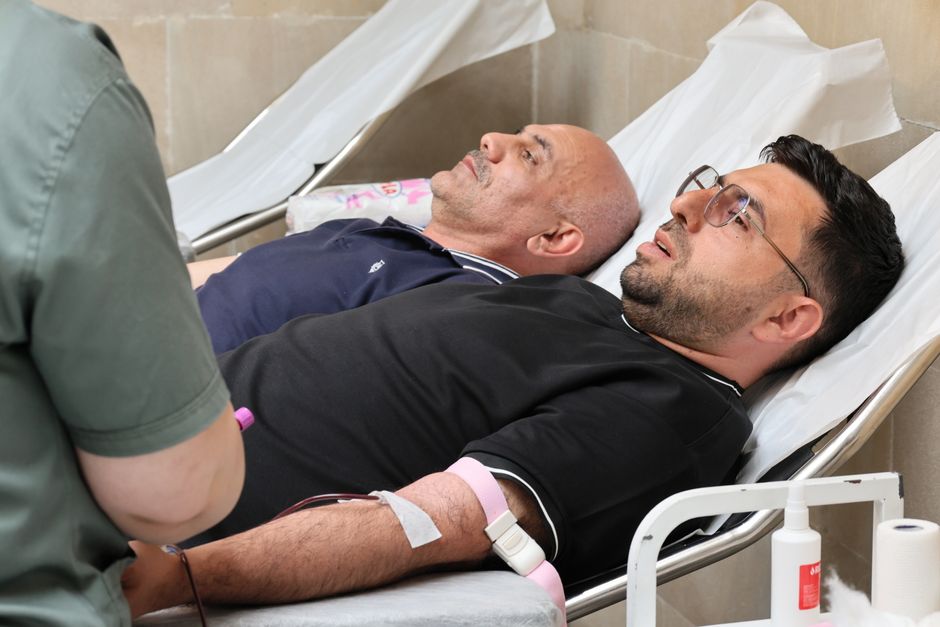
Organ donation after circulatory death, often shortened to DCD, is a process that allows organs to be donated after a person’s heart has stopped beating. This is different from donation after brain death, where the heart may still be beating but the brain has permanently stopped functioning. Understanding this distinction is important for anyone considering organ donation or facing a decision about it with a loved one. The process is carefully regulated, and its goal is to save lives through transplantation while respecting the final wishes of the donor.
What Is A Dcd Donor Donation After Circulatory Death?
DCD donation occurs when a person dies because their heart and circulation have stopped, and this is called circulatory death. In most cases, this happens after a decision is made to withdraw life-sustaining treatments, such as a breathing machine, because they are no longer providing any benefit. Once the heart stops and a specific period of time passes, doctors can declare death and then evaluate whether organs can be donated.
The key difference from brain death donation is the timing. In brain death, the organs are kept oxygenated by machines until the moment of recovery. In DCD, there is a period without blood flow after the heart stops. This “warm ischemia time” is the time organs go without oxygen, which can affect how well they work after transplant. Because of this, not all organs are suitable for DCD donation, and the process must move quickly.
How Does the DCD Process Work Step by Step?
The DCD process is highly structured and involves many medical professionals working together. It begins with a decision to withdraw life support, which is always made separately from any discussion about donation. The care team and the family agree on a time and place for the withdrawal of treatment, usually in an operating room or a dedicated area in the intensive care unit.
Once life support is withdrawn, the medical team watches for the heart to stop. When the heart stops, doctors wait a short period, usually two to five minutes, to confirm that circulation has permanently ceased. This is the moment of death. After death is declared, the transplant team begins the organ recovery process as quickly as possible to minimize the time organs are without oxygen.
Some DCD cases involve a technique called normothermic regional perfusion, or NRP. This involves restarting blood flow to the organs using a machine after death is declared, but before organs are removed. This technique can improve organ quality, but it is not used everywhere and remains a topic of discussion in the medical community regarding its ethical and clinical implications.
What Organs Can Be Donated After Circulatory Death?
Kidneys and livers are the most commonly transplanted organs from DCD donors. The lungs and pancreas can also be used in some cases, depending on the donor’s health and how quickly the recovery process happens. The heart is the most challenging organ to transplant from a DCD donor because it is very sensitive to a lack of oxygen.
However, advances in technology have made DCD heart transplantation possible in some specialized centers. These programs use machines that reoxygenate the heart after it is removed, allowing it to recover before being transplanted into a recipient. This is still a developing field, and not all transplant centers offer this option.
Tissues such as corneas, skin, bone, and heart valves can also be donated after circulatory death. Tissue donation has a longer window of time for recovery, so it is possible even when organ donation is not. Every potential donor is evaluated individually, and the final decision about what can be used is made by the transplant team based on medical criteria.





Who Can Be a DCD Donor?
Most people who die in a hospital after life support is withdrawn could potentially be DCD donors. The main requirement is that death occurs within a certain time frame after treatment is stopped, usually within 60 to 90 minutes. If the heart does not stop within that window, organ donation cannot proceed because the organs will have been without oxygen for too long.
Age and medical history are considered, but there is no strict age limit for DCD donation. The transplant team looks at the function of each organ individually. People with active infections, certain cancers, or severe organ failure may not be able to donate. The decision is always made by medical professionals following national guidelines, not by the donor’s family.
It is also important to note that a person’s registered decision to be a donor is what matters. In the United States, most states allow a person to register as a donor through their driver’s license or state registry. If a person has not registered, the family may be asked to give consent for donation. This is a difficult conversation, and it is one reason why discussing your wishes with family is so important.
What Are the Ethical Considerations in DCD Donation?
The ethics of DCD donation center on one main principle: the donor must be dead before organ recovery begins. The declaration of death is made by a doctor who is not part of the transplant team. This separation is designed to ensure that the donor’s care is never compromised for the sake of organ recovery.
The waiting period after the heart stops, usually two to five minutes, is meant to confirm that circulation will not restart on its own. This is called auto-resuscitation, and it is extremely rare after two minutes without a heartbeat. The exact time can vary by hospital policy, but the standard is based on published medical evidence.
Some people have concerns that DCD donation might influence the decision to withdraw life support. This is why the decision to stop treatment is always made before any discussion of donation occurs. The medical team caring for the patient is separate from the transplant team. These safeguards are in place to protect the patient and the integrity of the donation process.
How Does DCD Compare to Donation After Brain Death?
Donation after brain death, or DBD, is the more common form of organ donation. In brain death, the brain has completely and permanently stopped functioning, but the heart continues to beat because the person is on a ventilator. This keeps blood flowing to the organs until they are removed, which generally results in better organ quality.
In DCD, the organs experience a period without blood flow before recovery. This makes DCD organs slightly more vulnerable to damage. However, studies have shown that DCD kidneys and livers can work just as well as DBD organs over the long term, especially when the time without blood flow is short.
DCD donation increases the overall number of organs available for transplant. This is critical because there are far more people waiting for organs than there are donors. Every DCD donation can save multiple lives, and the outcomes for recipients are generally good.
What Should Families Know About the DCD Process?
If your loved one is a potential DCD donor, you will be asked to make decisions during a very difficult time. The medical team should explain the process clearly, including what will happen after life support is withdrawn. You should feel free to ask questions about timing, what to expect, and how the donation will be handled.
It may help to know that the donor’s body is treated with respect throughout the process. After organ recovery, the body is prepared for viewing, and families can often spend time with their loved one afterward. Funeral arrangements are not delayed by donation, and the family is not charged for any part of the donation process.
Many families find comfort in knowing that their loved one’s death helped others live. If you are unsure about what your loved one would have wanted, the donation team can help you understand their registered decision. If they did not register, you will be asked to make a decision based on what you know about their wishes.
What Is the Success Rate of DCD Transplants?
DCD transplants have been performed for decades, and the results are well documented. Kidneys from DCD donors have long-term survival rates that are very similar to kidneys from brain-dead donors. Liver transplants from DCD donors also have good outcomes, though there is a slightly higher risk of certain complications compared to livers from brain-dead donors.
The success depends on many factors, including the age and health of the donor, the time without blood flow, and the condition of the recipient. Transplant centers carefully select which DCD organs to use, and they reject organs that are unlikely to work well. This careful selection is a major reason why outcomes are so positive.
No transplant is without risk, but DCD donation provides a life-saving option for many people who would otherwise die waiting. The medical community continues to research ways to improve DCD outcomes, including new preservation techniques and better ways to assess organ quality before transplant.
Frequently Asked Questions
Can you donate organs after your heart stops?
Yes, this is called donation after circulatory death, or DCD. The organs are recovered quickly after death is declared to minimize damage from lack of oxygen.
How long can organs survive after circulatory death?
Most organs must be recovered within 60 to 90 minutes after the heart stops. The exact time depends on the organ and the donor’s condition.
Is DCD donation the same as brain death donation?
No, brain death donation occurs while the heart is still beating on a ventilator. DCD donation occurs after the heart has stopped and death has been declared.
Do DCD donated organs work as well as other organs?
Yes, DCD kidneys and livers generally have long-term success rates similar to organs from brain-dead donors. The time without blood flow is the main factor affecting organ quality.
