
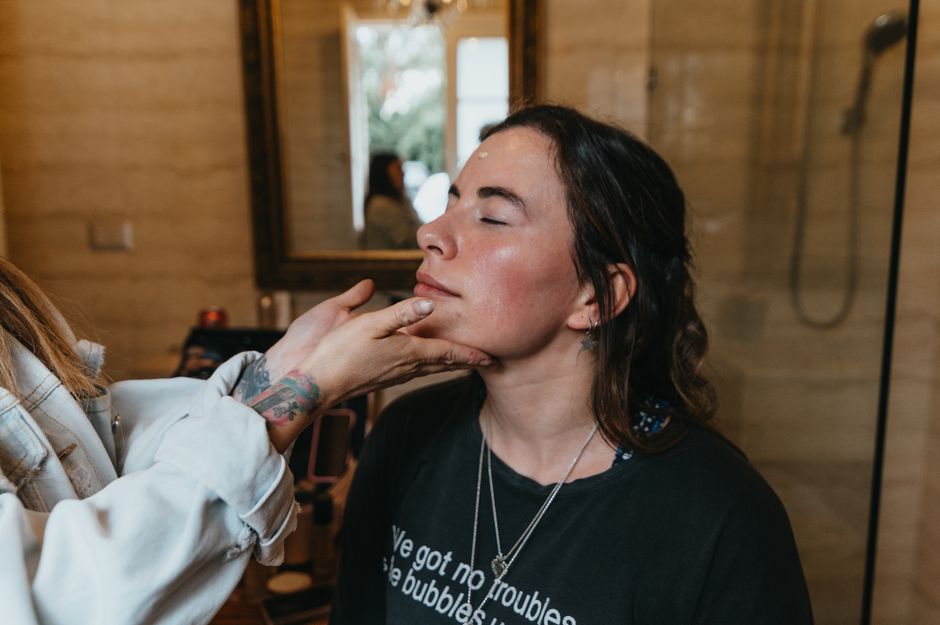
A cosmetic tattoo is pigment placed into the upper layer of the skin to create a semi-permanent makeup effect, most often on the eyebrows, lips, or eyelids. It is also called permanent makeup or micropigmentation. Results generally last anywhere from one to three years, though the exact time depends on skin type, technique, and how well you care for it.
The “permanent” label is misleading. Unlike a traditional body tattoo, cosmetic tattoos are usually done with lighter pigments and shallower placement. That combination fades faster. Your immune system and skin cell turnover slowly break the pigment down over time.
What Is A Cosmetic Tattoo And How Long Does It Last?
A cosmetic tattoo uses a fine needle to deposit pigment into the dermis, the layer of skin just beneath the surface. The goal is to mimic makeup that won’t wash off. Brows look fuller. Lips look tinted. Eyeliner looks drawn.
Most cosmetic tattoos last one to three years before needing a touch-up. Some people get longer wear. Others fade faster.
Why the range? A few factors drive it:
- Skin type. Oily skin tends to fade pigment faster than dry skin. The extra oil can push pigment out during healing.
- Pigment color. Darker pigments often hold longer than light ones. Fine, light strokes on brows can blur or fade sooner.
- Sun exposure. UV light breaks down pigment. Regular sun exposure speeds fading.
- Technique. Depth and needle type affect how long pigment stays.
- Aftercare. Proper healing in the first weeks matters for how well pigment settles.
One thing many people don’t realize: cosmetic tattoos often need a touch-up session a few weeks after the first appointment. This is usually built into the process, not a sign something went wrong. The skin can reject some pigment during healing, and the touch-up corrects uneven areas.
How Is a Cosmetic Tattoo Different From a Regular Tattoo?
Both use needles to place pigment in the skin. The similarities mostly end there.
Regular tattoos use bold, high-contrast inks placed deeper and more densely. They are built to last decades. Cosmetic tattoos use softer pigments placed more shallowly to create a natural look that can change with your face over time.
The pigment itself differs. Cosmetic pigments are formulated to fade gradually. They are also chosen to match skin tones and makeup shades, not the saturated colors used in body art.
That fading is intentional. As skin ages and changes, a softer, semi-permanent result is easier to adjust. It also means less commitment if you change your mind.
What Procedures Count as Cosmetic Tattoos?
Several common procedures fall under this label. Each targets a different area and has its own healing pattern.
Eyebrow micropigmentation
This includes techniques often called microblading, powder brows, and combination brows. Microblading uses a hand tool to create fine hair-like strokes. Machine methods can create a soft shaded look. Results typically last one to three years, with touch-ups.
Lip blush and lip liner
Pigment adds color and definition to the lips. Lip tissue is delicate and heals differently from skin, so results can fade faster than brow work. Some people need touch-ups more often.
Eyeliner and lash line enhancement
Pigment is placed along the lash line to make lashes look fuller or create a liner effect. This is a sensitive area, and not every provider offers it. Results usually fade over one to three years.
Scalp micropigmentation
This uses tiny pigment dots to mimic hair follicles, often for people with thinning hair or hair loss. It is a distinct technique from makeup tattooing and is usually performed by specially trained providers.





How Long Does Each Type Last?
Timelines vary by area and technique. These are general ranges based on how the procedures are typically described in practice, not guarantees.
| Procedure | Typical duration |
|---|---|
| Eyebrow micropigmentation | About 1 to 3 years |
| Lip blush | About 1 to 3 years, sometimes less |
| Eyeliner | About 1 to 3 years |
| Scalp micropigmentation | Varies widely; often needs periodic touch-ups |
Treat these as rough guides. Individual results can fall outside these ranges in either direction. A provider can give you a better estimate based on your skin and the look you want.
What Affects How Long a Cosmetic Tattoo Lasts?
Fading is normal and expected. The question is how fast it happens. Several factors speed it up or slow it down.
Sun exposure is one of the biggest. UV rays break down pigment and can also shift its color over time. Daily sunscreen on the treated area helps preserve results.
Skin care habits matter too. Products with acids, retinoids, or exfoliants applied over the area can increase cell turnover and fade pigment faster. This is a common reason brows fade unevenly.
Your immune system plays a role that surprises many people. Pigment particles are treated by the body as foreign material. Immune cells gradually break them down and carry them away. This is part of why cosmetic tattoos fade at all, and why the rate can differ from person to person.
Lifestyle factors like smoking and frequent sweating may also affect longevity, though the evidence here is less direct. The main drivers remain sun, skin type, and aftercare.
Is a Cosmetic Tattoo Safe?
Cosmetic tattooing is a skin procedure, and like any procedure that breaks the skin, it carries real risks. It is not risk-free, and the evidence on long-term safety of cosmetic pigments is limited.
Common short-term effects include redness, swelling, and tenderness in the treated area. These usually settle within days. More serious risks include infection and allergic reactions to pigment. Allergic reactions can appear soon after the procedure or, in some cases, much later.
Regulation varies. In the United States, cosmetic tattooing rules differ by state, and training requirements for practitioners are not uniform. Some states license and inspect; others have looser oversight. This means the skill and hygiene standards you encounter can vary widely.
Some important points to weigh:
- Choose a provider with proper training, a clean facility, and clear hygiene practices.
- Ask about the pigments used and whether they have ingredient information available.
- Be aware that some pigments have been linked to reactions, and ingredient disclosure is not always complete.
- MRI scans have occasionally been reported to cause reactions in tattooed areas, though this is uncommon.
If you have a history of allergies, skin conditions like eczema or psoriasis, or a weakened immune system, talk to a doctor before booking. No clinical guidelines set a single standard for who should avoid cosmetic tattooing, so this is a personal medical conversation.
How Do You Care for a Cosmetic Tattoo?
Aftercare affects both healing and how well pigment holds. Your provider will give specific instructions, and you should follow them. General principles are consistent across most procedures.
Keep the area clean and avoid picking or scratching as it heals. Pigment can be lost if scabs are disturbed. Avoid heavy sweating, swimming, and direct sun on the treated area during the initial healing period.
Once healed, daily sunscreen on the area is the single most useful habit for preserving results. Avoid applying strong exfoliants or retinoids directly over the tattooed skin.
Expect the color to look darker and sharper right after the procedure, then soften as it heals. This is normal. A touch-up session, usually scheduled a few weeks later, refines the result.
When Should You Consider a Touch-Up?
Touch-ups are a normal part of cosmetic tattooing, not a sign of failure. Most people need one within the first several weeks to fill in uneven areas after healing.
After that, many people return every one to three years as color softens. Some go longer. Others, especially with oily skin or frequent sun exposure, may need refreshes sooner.
Fading is gradual, so watch for changes in color, shape, or density. A provider can assess whether a touch-up is appropriate. Avoid booking touch-ups too soon, since skin needs to fully heal before more pigment is added.
Frequently Asked Questions
How long does a cosmetic tattoo last?
Most cosmetic tattoos last about one to three years before needing a touch-up. Results vary with skin type, technique, sun exposure, and aftercare.
Is a cosmetic tattoo permanent?
No, despite the name, cosmetic tattoos are semi-permanent. The body gradually breaks down the pigment, so the color softens over time and needs periodic refreshing.
Do cosmetic tattoos fade completely?
They fade significantly but often do not disappear entirely. Some pigment can remain in the skin for years, which is why touch-ups are common rather than full removal.
Does microblading last as long as other brow tattoos?
Microblading often fades faster than machine-shaded brow techniques because the fine strokes are shallower. Many people need touch-ups within one to two years.
