
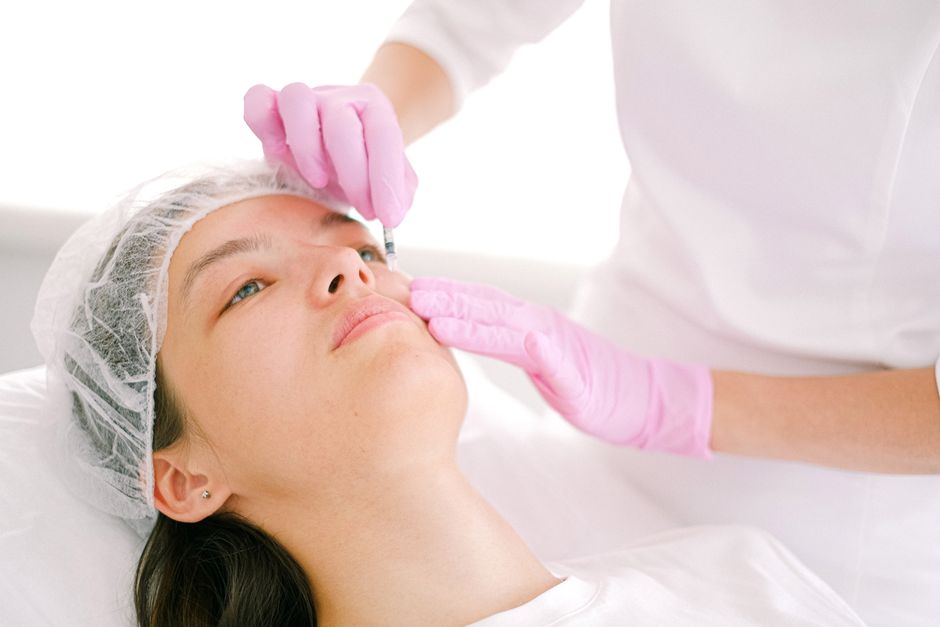
A cosmetic nurse is a registered nurse who specializes in aesthetic medical procedures. They perform treatments like Botox, dermal fillers, chemical peels, and laser therapy. These nurses work in dermatology clinics, medispas, plastic surgery offices, and standalone aesthetic centers. Salaries vary widely depending on experience, location, and whether the nurse works on commission, but many earn well above the national average for registered nurses. The career path typically starts with nursing school, followed by a state license, and then additional training or certification in aesthetic procedures.
What does a cosmetic nurse do?
Cosmetic nurses perform non-surgical and minimally invasive cosmetic treatments. Common procedures include injecting botulinum toxin (Botox) to reduce facial wrinkles, injecting dermal fillers to restore volume, and performing chemical peels and microdermabrasion. They also operate lasers for hair removal, skin resurfacing, and tattoo removal.
Before any treatment, the nurse assesses the patient’s skin, health history, and goals. They create a treatment plan and explain risks and expected results. During the procedure, they monitor the patient for adverse reactions. Afterward, they give aftercare instructions and schedule follow-up appointments.
In some settings, cosmetic nurses also assist plastic surgeons during surgical procedures like facelifts or breast augmentations. They may manage the clinic’s inventory of injectables, maintain equipment, and handle patient education materials. Independent practice is possible in some states where the scope of practice allows a nurse to administer injectables without a physician present, but this varies by state law.
What is the average salary for a cosmetic nurse?
Salary data for cosmetic nurses is not tracked separately by the U.S. Bureau of Labor Statistics (BLS). The BLS reports that the median annual wage for all registered nurses was $81,220 in May 2022. However, cosmetic nurses often earn more due to additional training, commission structures, and the high out-of-pocket cost of cosmetic procedures.
Many cosmetic nurses work on a combination of base pay plus commission per procedure or product sold. Experienced cosmetic nurses in high-demand markets can earn $100,000 or more per year. Nurses who own their own practice or work as independent contractors may have even higher earning potential, but also assume business expenses and risk.
Factors that affect salary include geographic location (urban centers tend to pay more), years of experience, number and type of certifications, and whether the setting is a large medical organization or a small private medispa.
What qualifications do you need to become a cosmetic nurse?
Becoming a cosmetic nurse requires first becoming a licensed registered nurse (RN). This means completing either an associate degree in nursing (ADN) or a bachelor of science in nursing (BSN) from an accredited program, and then passing the NCLEX-RN exam to obtain state licensure.
After licensure, most employers require at least one to two years of experience in critical care, emergency nursing, or medical-surgical nursing before moving into aesthetics. This experience builds skills in assessing patients, managing emergencies, and administering injections.
Additional training in cosmetic procedures is essential. Many nurses complete hands-on courses offered by private training companies or professional organizations such as the American Academy of Cosmetic Nurses (AACN) or the American Society of Plastic Surgical Nurses (ASPSN). Certification as a Certified Aesthetic Nurse Specialist (CANS) is available through the Plastic Surgical Nursing Certification Board (PSNCB) and requires a combination of experience, continuing education, and a written exam. Certification is voluntary but can improve job prospects and demonstrate expertise.





How do you become a cosmetic nurse? Step-by-step
- Complete a nursing degree (ADN or BSN) from an accredited program.
- Pass the NCLEX-RN exam to become a registered nurse.
- Obtain state licensure in the state where you plan to practice.
- Gain at least one to two years of clinical nursing experience. Many employers prefer ICU, ER, or surgical nursing backgrounds.
- Complete specialized training in cosmetic injectables and other aesthetic procedures through an accredited or reputable training course.
- Consider earning the CANS certification or other credentials through professional nursing organizations.
- Build a portfolio of before-and-after photos (with patient consent) to demonstrate your work when applying for jobs.
Some nurses choose to pursue a master’s degree to become a nurse practitioner (NP), which allows for greater autonomy in patient care and, in some states, the ability to practice independently without a supervising physician.
What is the job outlook for cosmetic nurses?
The job outlook for registered nurses overall is strong. The BLS projects 6% growth for RNs from 2022 to 2032, faster than the average for all occupations. Demand for cosmetic nurses specifically may grow as the population ages and more people seek non-surgical cosmetic procedures.
The American Society of Plastic Surgeons reports that the number of minimally invasive cosmetic procedures has risen steadily over the past decade. Botox, dermal fillers, and laser treatments are among the most common. This trend supports ongoing demand for skilled nurses in aesthetic settings.
However, competition for positions in desirable practices and medispas can be high. Nurses with specialized training, certifications, and a strong professional network have an advantage. Aesthetic nursing also requires good business and interpersonal skills, as patient satisfaction and referrals are critical to success.
What Is A Cosmetic Nurse Role Salary Career Path? — Key points
The role combines medical knowledge with aesthetic judgment. The salary reflects the specialized skill set and often includes commission. The career path follows a standard nursing route but adds advanced training and optional certification in aesthetics. Advancement can lead to senior injector, clinical manager, or independent practitioner roles.
If you are considering this career, start by researching state practice laws regarding who can perform cosmetic injections. Some states require physician oversight, while others allow RNs to work more independently. Talk to working cosmetic nurses about their daily tasks, income structure, and the realities of the job before making a commitment.
Frequently Asked Questions
How long does it take to become a cosmetic nurse?
Expect four to six years total. An ADN takes two years, BSN four years, plus time to pass the licensing exam and complete one to two years of clinical experience before moving into aesthetics.
Do you need a BSN to be a cosmetic nurse?
No. An ADN is sufficient to become an RN and qualify for most cosmetic nursing positions, but some employers prefer a BSN, and a BSN may open more opportunities for advancement.
Can a cosmetic nurse start their own business?
Yes, but it depends on state regulations. In some states, nurses can own and operate a medispa with or without a supervising physician. In others, a collaborative agreement or physician oversight is required. You must also carry malpractice insurance and comply with business licensing.
Is cosmetic nursing a good career?
Many nurses find it rewarding because they see immediate results and build long-term relationships with patients. The pay can be excellent, but the job also involves managing patient expectations, occasional complications, and a competitive job market.
