
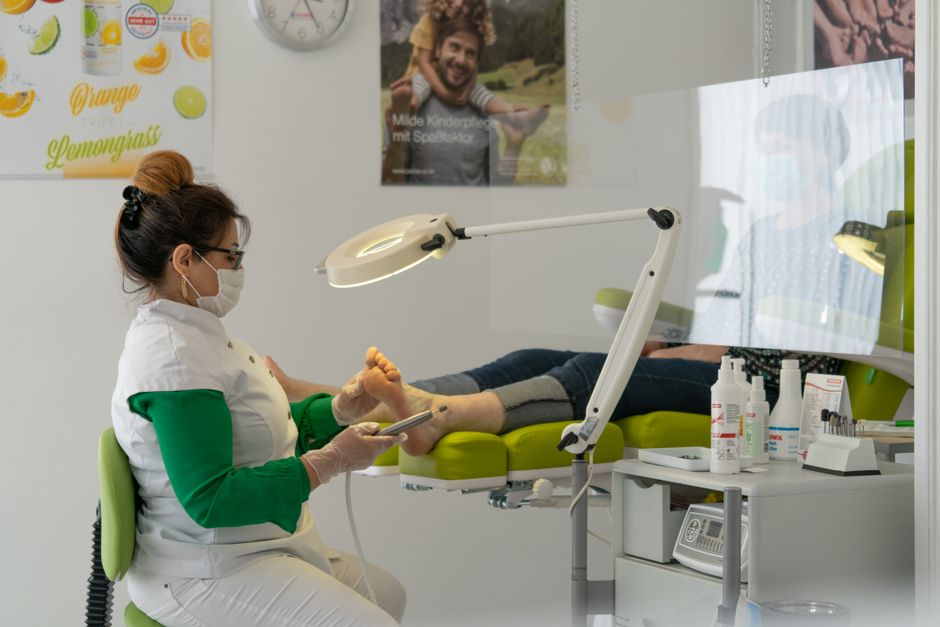
A corn is a small, thick patch of hardened skin that forms where repeated pressure or friction concentrates on a specific spot. A callus is the same basic response spread over a wider area. Neither is a disease. Both are the skin’s way of protecting itself from force it keeps meeting.
The difference comes down to shape and size. Corns are compact and have a defined center, often a hard core. Calluses are broader, flatter, and usually painless. Understanding why they form, and when they signal a deeper problem, matters more than the names themselves.
What Is A Corn And Callus?
A corn and a callus are areas of thickened skin built from keratin, the same protein that makes up your hair and nails. When skin rubs against something repeatedly, the outermost layer responds by producing more cells. Those cells pack together and harden.
The medical term for this thickening is hyperkeratosis. It is not a growth or a tumor. It is an accumulation of dead skin cells that the body produces on purpose to shield the tissue underneath.
Where the pressure is broad and spread out, you get a callus. Where it is sharp and focused, you get a corn. A corn often has a hard, dense center that presses inward, which is why corns tend to hurt and calluses usually do not.
Corns come in a few types. A hard corn is the classic kind, with a firm core, usually on top of a toe. A soft corn forms between toes where sweat keeps the skin moist, so it looks white and rubbery rather than hard. A seed corn is a small, tough cluster that can appear on the ball of the foot.
What Causes Corns And Calluses To Form?
Friction and pressure cause them. Nothing else does. If skin is not being rubbed or squeezed, a corn will not appear.
Common sources of that pressure include:
- Shoes that are too tight, too narrow, or too loose, letting the foot slide
- High heels, which push body weight onto the front of the foot
- Seams, stitching, or rough interior lining rubbing against skin
- Walking barefoot on hard surfaces for long periods
- Playing a musical instrument or gripping tools that press on the same spot
- Foot shape, such as a prominent bone or a hammertoe, that changes where force lands
Some people form corns more easily because of how their feet are built. A toe that curls or a bone that juts out creates a pressure point that shoes keep hitting. Over time, the skin at that point thickens.
Poorly fitting shoes are the single most common trigger. This is not a minor point. A shoe that squeezes the toes changes the mechanics of every step.
Why Do Corns Hurt But Calluses Usually Don’t?
The difference is how deep the pressure goes. A callus spreads force across a wide surface, so no single point takes too much load. It feels like rough, thickened skin and rarely causes pain.
A corn concentrates force into a small, hard core. That core presses down into the living tissue beneath, which contains nerve endings. This is why a corn can feel like stepping on a pebble or a sharp point.
Soft corns between the toes can be especially sore because moisture keeps the area tender and the bones of two toes press against each other with every step.
Pain is a useful signal here. A callus that suddenly hurts, or a “callus” that bleeds or changes, is worth having looked at by a clinician.





How Are Corns And Calluses Different From Other Foot Problems?
Several foot conditions can look like a corn but are not. Getting the distinction right changes what helps.
| Condition | Key feature | How it responds |
|---|---|---|
| Corn | Small, defined hard core, painful when pressed | Improves when the pressure source is removed |
| Callus | Broad, flat, thickened skin, usually painless | Improves with cushioning and reducing friction |
| Plantar wart | Caused by a virus, disrupts normal skin lines, often has tiny black dots | Does not resolve with pressure relief alone |
| Bunion | Bony bump at the base of the big toe | A structural change, not thickened skin |
| Blister | Fluid-filled pocket from acute friction | Heals on its own in most cases |
Plantar warts and corns are the ones most often confused. A wart interrupts the natural ridges in your skin, so the lines of the skin print do not run through it. A corn has skin lines running through it. Warts also tend to hurt when squeezed side to side, while corns hurt when pressed directly.
This distinction matters because treating a wart like a corn, or the reverse, wastes time and can make things worse.
Who Is More Likely To Get Corns And Calluses?
Anyone can get them, but some people are more prone. Older adults tend to develop them more often because skin loses some of its fat padding and elasticity over time, and because decades of wear can change foot structure.
People with diabetes need to take foot changes seriously. Diabetes can reduce sensation in the feet, which means a corn or callus might not hurt even when it is causing damage underneath. Reduced blood flow can also slow healing. For this group, a callus that goes untreated can progress to an ulcer, and ulcers can become serious. This is why regular foot checks are part of standard diabetes care.
People with arthritis, circulation problems, or conditions that alter how they walk are also more likely to develop pressure points. So are people who stand for long hours at work.
How Do You Treat A Corn Or Callus?
The core principle is simple: remove the source of pressure and friction, and the thickened skin will usually soften and shrink over weeks to months. Treatment that ignores the cause tends to fail, because the skin keeps rebuilding.
What generally helps:
- Wearing shoes that fit properly, with enough width and depth for the toes
- Using padded insoles or shoe inserts to spread pressure
- Soaking the foot in warm water to soften the skin, then gently filing with a pumice stone or emery board
- Applying moisturizer to keep skin supple
- Using over-the-counter felt pads shaped like a ring to lift pressure off a corn
What to avoid: cutting or shaving a corn with a blade. This is a common cause of infection, especially in people with diabetes or poor circulation. Do not attempt it at home.
Salicylic acid products are sold for corns and warts. They work by breaking down keratin. They can irritate surrounding healthy skin, and they should not be used by people with diabetes or circulation problems without a clinician’s guidance. For anyone with those conditions, foot care should go through a professional.
If a corn or callus does not improve after several weeks of better footwear and consistent home care, or if it is painful, bleeding, or shows signs of infection, see a clinician. A podiatrist can safely pare down the thickened skin and address structural causes.
Can Corns And Calluses Be Prevented?
Often, yes. Prevention is mostly about reducing the friction that starts the process.
Choose shoes with a wide toe box and enough room to wiggle your toes. Break in new shoes gradually. Wear socks that wick moisture and fit without bunching. If you know a spot on your foot tends to rub, protect it before a long walk or a day on your feet.
For people with foot deformities or diabetes, custom orthotics and routine professional foot care can prevent problems from starting. This is not optional for everyone, and a clinician can advise on what fits your situation.
One point worth correcting: calluses are not a sign of “tough” or healthy feet. They are a sign that skin is under repeated stress. On a well-fitting foot, they should not be building up in the first place.
Frequently Asked Questions
What is the difference between a corn and a callus?
A corn is a small, focused patch of hard skin with a defined core, while a callus is a broader, flatter area of thickened skin. Corns tend to hurt because the core presses inward, and calluses usually do not.
Are corns and calluses dangerous?
For most people they are a nuisance, not a danger. For people with diabetes or poor circulation, however, they can lead to ulcers and infection, so they should be checked by a clinician.
Can I cut off a corn myself?
No. Cutting or shaving a corn at home can cause infection and is especially risky if you have diabetes or circulation problems. A clinician can remove it safely.
How long does it take for a corn to go away?
With the pressure source removed and consistent care, thickened skin typically softens over several weeks to months. If it does not improve, see a clinician.
