
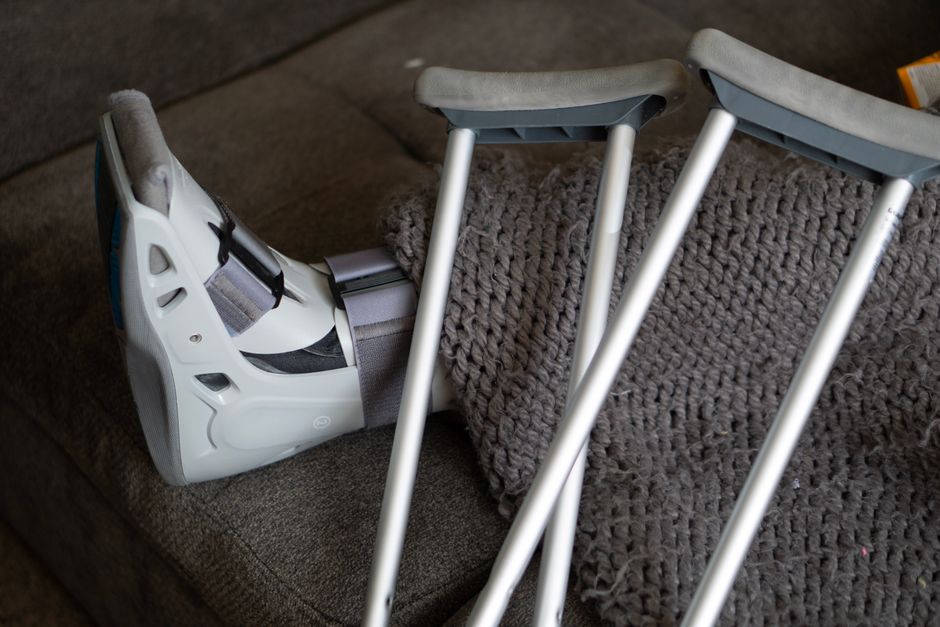
A complex tibia fracture is a break in the shinbone that involves more than a simple crack. It usually means the bone has shattered into several pieces, the break has torn through the skin, or the injury has damaged the surrounding soft tissue, blood vessels, or nerves. Because the tibia carries most of your body weight and sits just under the skin, these injuries need careful, often surgical, treatment to heal properly.
The tibia is the larger of the two bones in your lower leg. It runs from the knee to the ankle and bears the load of walking and standing. When that bone breaks in a complicated way, the stakes are higher than for a simple fracture. This article explains what makes a fracture complex, how it is treated, and what recovery actually looks like.
What Is A Complex Tibia Fracture?
A complex tibia fracture is any break that goes beyond a single clean crack in the bone. Doctors use the word complex when one or more of these features are present: the bone is broken into multiple fragments, the fracture extends into the knee or ankle joint, the skin is broken open, or nearby soft tissue is badly injured.
This matters because each of those features changes the treatment plan and the outlook. A simple fracture that stays lined up may heal in a cast. A complex one almost always needs surgery, and it carries a higher risk of complications.
There is no single official cutoff that defines “complex.” It is a working description rather than a formal diagnosis. Different surgeons may use the term slightly differently, but the general meaning is consistent: this is a serious injury that needs specialized care.
What Causes a Complex Tibia Fracture?
High-energy trauma is the most common cause. The force needed to shatter the tibia into pieces usually comes from something forceful and sudden.
- Motor vehicle and motorcycle crashes
- Falls from a significant height
- Being struck by a vehicle
- Sports injuries involving hard collisions
- Gunshot wounds and other penetrating injuries
Low-energy breaks do happen, especially in older adults with weaker bones. A simple fall from standing can cause a complex fracture in someone with osteoporosis or other conditions that thin the bone. In those cases the bone quality, not the force of the fall, drives the complexity.
Open fractures — where the broken bone pushes through the skin — are a distinct category of concern. The wound allows bacteria to reach the bone, which raises the risk of infection. This is one reason open fractures are treated as emergencies.
What Are the Symptoms of a Complex Tibia Fracture?
The signs are usually obvious and severe. Most people know immediately that something is seriously wrong.
- Intense pain in the lower leg that does not ease with rest
- Inability to put any weight on the leg
- Visible deformity or a leg that looks bent at an odd angle
- Swelling and bruising that develop quickly
- A wound with bone visible, in open fractures
- Numbness, tingling, or loss of feeling below the injury
- Pale, cool, or bluish skin on the foot
The last two symptoms are warning signs. They can mean that blood flow or nerve signals to the foot are disrupted. That is a medical emergency and requires immediate care.
If you suspect a complex tibia fracture, do not try to straighten the leg or push bone back into place. Keep the leg still, cover any open wound with a clean dressing, and call for emergency help.





How Is a Complex Tibia Fracture Diagnosed?
Diagnosis starts with a physical exam and imaging. Doctors check the skin, feeling, and blood flow in the foot. They look for open wounds and test whether you can feel touch and move your toes.
X-rays are the first imaging test. They show where the bone is broken and how many pieces there are. Because X-rays are two-dimensional, a CT scan is often used to see the fracture in more detail, especially when the break reaches into a joint. A CT gives the surgeon a three-dimensional view of the fragments.
Doctors also classify the fracture. There are several systems, and they generally describe the same things: whether the skin is broken, how many pieces the bone is in, and whether the joint is involved. The classification guides treatment and helps predict the risk of complications.
How Is a Complex Tibia Fracture Treated?
Surgery is the standard treatment for most complex tibia fractures. The goal is to line up the bone fragments, hold them in place, and let the bone heal in the correct position.
There are two main approaches, and surgeons choose based on the injury.
| Method | How It Works | Common Use |
|---|---|---|
| Intramedullary nail | A metal rod is placed inside the hollow center of the bone | Mid-shaft fractures with soft tissue that is not badly damaged |
| Plate and screws | A metal plate is fixed to the outside of the bone | Fractures near the knee or ankle joint |
| External fixator | A frame outside the leg holds pins that go into the bone | Severe open fractures or damage to soft tissue |
Open fractures need more than bone repair. The wound must be cleaned thoroughly, and dead tissue is removed. Antibiotics are given to lower the risk of infection. Some open fractures need more than one surgery to clean the wound before the bone is fixed for good.
The timing of surgery depends on your overall condition. If you have other serious injuries, the leg may be stabilized first and repaired later. This is a judgment call made by the trauma team.
What Does Recovery Look Like?
Recovery from a complex tibia fracture is slow. Bone healing generally takes several months, and complex fractures often take longer than simple ones. The timeline varies widely based on the injury, your age, your health, and whether complications occur.
Most people cannot put weight on the leg for a period after surgery. Your surgeon will tell you when and how much weight you can bear. This is not a decision to make on your own, because putting weight on the leg too early can move the bone fragments.
Physical therapy is a key part of recovery. It helps restore movement in the knee and ankle and rebuilds strength in the leg. Even with good care, some people have lasting stiffness, pain, or a difference in leg length.
Hardware — the rods, plates, or screws — is sometimes removed later, but not always. Many people keep it in place for life without problems. Removal is a decision your surgeon makes based on your symptoms.
What Are the Risks and Complications?
Complex tibia fractures carry a higher risk of complications than simple breaks. The most serious ones relate to infection, healing, and damage to the soft tissue.
- Infection. This is a major concern with open fractures, because bacteria can reach the bone.
- Nonunion. The bone fails to heal and the break stays open.
- Malunion. The bone heals but in the wrong position.
- Compartment syndrome. Pressure builds up inside the leg and can cut off blood flow. This is a surgical emergency.
- Nerve or blood vessel damage. This can cause lasting numbness or circulation problems.
- Arthritis. Fractures that reach into the knee or ankle joint raise the long-term risk of joint arthritis.
Compartment syndrome deserves special attention. The warning signs are pain that is far worse than expected, a leg that feels tight, and numbness or weakness in the foot. It can develop within hours of the injury. If these signs appear, seek emergency care right away. Waiting can lead to permanent damage.
Not everyone who has a complex tibia fracture develops these problems. But knowing the signs helps you act quickly if they appear.
Can a Complex Tibia Fracture Be Prevented?
Many complex tibia fractures come from accidents that cannot be predicted. Still, some steps lower your risk.
Bone strength matters. Getting enough calcium and vitamin D, staying physically active, and managing conditions like osteoporosis all support bone health. For older adults, fall prevention is important. That includes removing tripping hazards at home, improving lighting, and working on balance and strength.
When you are on the road, seatbelts and helmets reduce the force of impact in a crash. These measures do not eliminate risk, but they can turn a life-changing injury into a less severe one.
When Should You See a Doctor?
See a doctor immediately for any suspected tibia fracture. Go to an emergency room rather than waiting for an office visit, especially if the leg is deformed, the skin is broken, or you cannot bear weight.
Get emergency care without delay if you notice numbness, tingling, pale or cool skin on the foot, or pain that keeps getting worse. These can signal nerve, blood vessel, or pressure problems that need treatment fast.
Frequently Asked Questions
How long does a complex tibia fracture take to heal?
Bone healing usually takes several months, and complex fractures often take longer than simple ones. The exact timeline depends on the injury, your age, your health, and whether complications occur.
Is a complex tibia fracture the same as an open fracture?
No, they are not the same, though they can overlap. An open fracture means the bone has broken through the skin, while a complex fracture can also mean the bone is in many pieces or the joint or soft tissue is damaged.
Can you walk on a complex tibia fracture?
No, most people cannot put weight on the leg after this injury, and doing so before your surgeon allows it can move the bone fragments. Follow your surgeon’s guidance on when and how much weight you can bear.
What is the most serious complication of a complex tibia fracture?
Compartment syndrome is among the most urgent, because pressure inside the leg can cut off blood flow and cause permanent damage within hours. Infection is also a major concern, especially with open fractures.
