
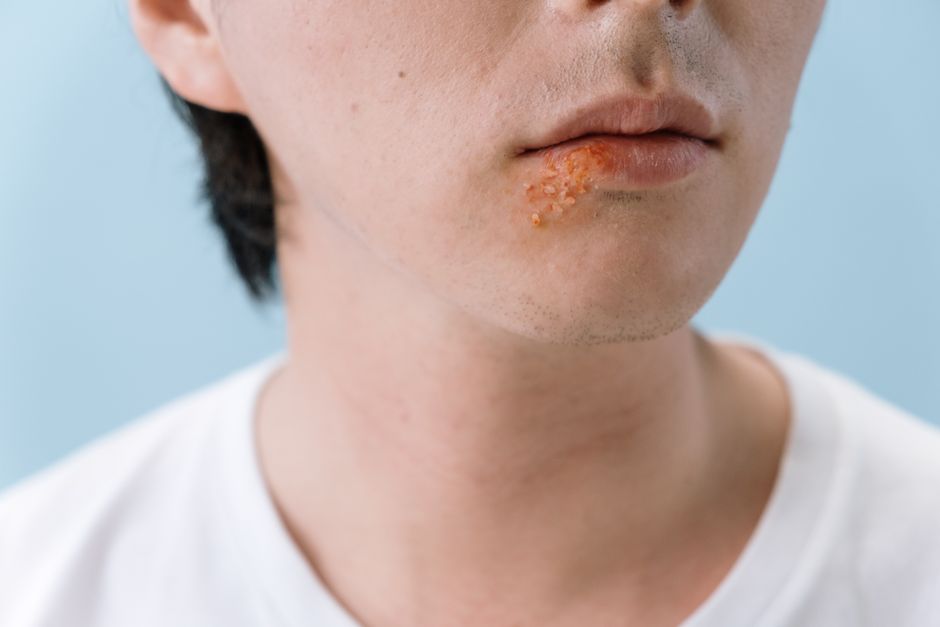
A cold sore is a small, fluid-filled blister that usually forms on or around the lips. It is caused by the herpes simplex virus, most often type 1 (HSV-1). The virus stays in the body for life, and cold sores appear when it reactivates.
Most people who carry HSV-1 got it in childhood through close skin contact, often from a kiss or shared utensils. The first infection may cause no symptoms at all. Once the virus is in the body, it settles into nerve cells and stays there quietly. Certain triggers wake it up, and a cold sore appears at or near the same spot each time.
What Is A Cold Sore From Virus Triggers And Spread?
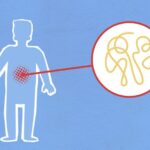
A cold sore is the visible result of HSV-1 reactivating in a nerve and traveling to the skin surface. The virus does not leave the body between outbreaks. It hides in a cluster of nerve cells called a ganglion, and when conditions allow, it moves back down the nerve to the skin.
The word “cold” in cold sore is misleading. These sores are not caused by cold weather or by having a cold. They are caused by a virus. Cold weather can act as a trigger for some people, but the virus is the cause.
HSV-1 is extremely common. The World Health Organization estimates that billions of people worldwide carry it. Many never get a visible sore. Others get them a few times a year. The pattern varies widely from person to person.
A related virus, HSV-2, usually causes genital herpes. But HSV-2 can also cause sores around the mouth through oral contact, and HSV-1 can cause genital sores. The distinction between the two types is less clean than people often assume.
How Does the Cold Sore Virus Spread?
HSV-1 spreads through direct skin-to-skin contact with an infected area. This usually means kissing, but it also includes sharing eating utensils, water bottles, lip balm, or towels. The virus enters through small breaks in the skin or through the moist lining of the mouth.
The virus can spread even when no sore is visible. This is called asymptomatic shedding. It is one of the main reasons HSV-1 is so widespread. A person can carry the virus, never have an outbreak, and still pass it to someone else.
Spread is most likely when a sore is present. The blister fluid contains high amounts of virus. But shedding also happens in the days before a sore appears and after it heals. Because of this, avoiding contact only during a visible outbreak does not fully prevent transmission.
Once HSV-1 enters the body, it travels along nerve endings to a ganglion near the spine or jaw. It stays there permanently. The immune system can suppress it, but it cannot remove it.
What Triggers a Cold Sore to Come Back?
Triggers vary from person to person. What causes an outbreak in one person may do nothing in another. Common triggers include physical stress, illness, fever, sun exposure, and hormonal changes.
Emotional stress is often reported as a trigger. The evidence for this is based largely on patient reports rather than controlled studies, so the link is real for many people but not fully understood.
Other reported triggers include:
- Fever or infections, such as a cold or flu
- Sunburn or wind exposure on the lips
- Menstruation and hormonal shifts
- Skin injury or surgery near the mouth
- Fatigue and lack of sleep
- A weakened immune system from illness or medication
Many people notice a tingling, itching, or burning feeling before a sore appears. This is called a prodrome. It usually happens within a day before the blister forms. Recognizing it can help a person act early.




What Are the Stages of a Cold Sore?
A cold sore moves through predictable stages. Not everyone goes through all of them, and timing varies.
The first stage is tingling or itching. The skin may feel tight or warm. No sore is visible yet.
Next, a small cluster of blisters forms. They fill with fluid and may be painful. This stage usually lasts a few days.
The blisters then break open, leaving a shallow, open sore. This is often the most uncomfortable and contagious stage. The sore weeps fluid that contains virus.
Finally, a crust forms over the sore. The crust may crack or bleed. The sore heals from the bottom up, usually without scarring. The whole process typically takes one to two weeks in healthy people.
When Should You See a Doctor About a Cold Sore?
Most cold sores heal on their own and do not need medical care. But some situations call for a doctor’s attention.
See a doctor if you have a weakened immune system, such as from chemotherapy, organ transplant, or HIV. In these cases, the virus can cause more serious problems.
Also seek care if a sore spreads widely, lasts longer than two weeks, or comes with fever, swollen glands, or eye involvement. A cold sore near the eye is a medical concern because HSV can infect the eye and affect vision.
For infants, a cold sore can be serious. Newborns have immature immune systems. If a newborn develops blisters, fever, or unusual sleepiness, seek medical care right away. No home treatment is appropriate for a suspected HSV infection in a newborn.
People who get frequent outbreaks may want to talk with a clinician about options. Antiviral medications, taken by mouth, can shorten outbreaks and reduce how often they happen. These are prescription drugs, and a doctor decides whether they are appropriate.
How Can You Reduce the Risk of Spreading Cold Sores?
Avoiding contact during an outbreak lowers the risk of passing the virus on. But because the virus can shed without symptoms, no method removes the risk entirely.
During an outbreak, do not kiss anyone, especially infants and people with weakened immune systems. Do not share utensils, cups, towels, or lip products. Wash your hands after touching the sore. Avoid touching your eyes after touching a sore.
To reduce your own outbreaks, protect your lips from sun with lip balm that contains sunscreen. Manage stress where you can. Get enough sleep. These steps may help some people, though the evidence for each trigger varies.
There is no proven way to eliminate the virus from the body. Anyone who claims a product cures cold sores is making a claim that no study has confirmed. Antiviral drugs can reduce outbreaks, but they do not remove the virus.
Does Having Cold Sores Mean You Have Herpes?
Yes. Cold sores are caused by the herpes simplex virus. This is a fact, not a moral judgment. HSV-1 is one of the most common infections in the world.
Many people carry the virus without ever knowing. A blood test can show whether a person has been infected, but it does not show when or how. Testing is not routine because the virus is so common and usually harmless.
The stigma around herpes is far larger than the medical reality for most people. For the average healthy adult, cold sores are a minor, recurring nuisance. The serious risks are concentrated in newborns, people with weakened immune systems, and rare cases involving the eye or brain.
Can Cold Sores Be Prevented?
You cannot prevent infection if you are exposed and have not had the virus before. There is no vaccine for HSV-1 or HSV-2 currently available.
You can reduce the chance of passing it to others by avoiding contact during outbreaks and by not sharing personal items. For people with frequent outbreaks, daily antiviral medication prescribed by a doctor can reduce how often sores appear and lower the chance of spreading the virus to partners.
Beyond that, the evidence for most home remedies is weak. Some products may soothe symptoms, but few have been shown in controlled trials to shorten outbreaks or prevent them. Be cautious of any product that promises a cure.
Frequently Asked Questions
Are cold sores the same as canker sores?
No. Cold sores are caused by the herpes simplex virus and usually appear outside the mouth on the lips. Canker sores are not caused by a virus, form inside the mouth, and are not contagious.
Can you get a cold sore from sharing a drink?
Yes. HSV-1 can spread through shared utensils, cups, or bottles, especially during an active outbreak. The virus can also shed without a visible sore, so transmission is possible even when nothing is visible.
How long does a cold sore usually last?
Most cold sores heal in about one to two weeks in healthy people. Antiviral medication started early may shorten this, but it does not remove the virus from the body.
Is a cold sore contagious before it appears?
Yes. The virus can shed in the days before a blister forms, which is why avoiding contact only during a visible sore does not fully prevent spread. This is a major reason HSV-1 is so common.
