
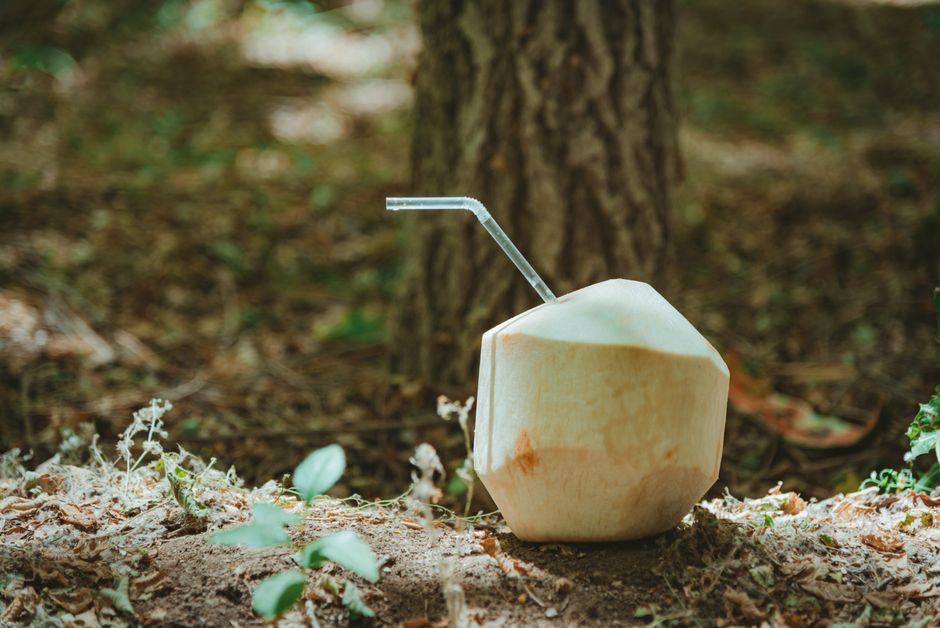
A coconut is classified as a drupe — a type of fruit with a hard outer shell surrounding a seed. It grows on the coconut palm tree, scientifically named Cocos nucifera. Botanically speaking, it is not a nut at all, despite the name. That single fact surprises most people.
What Is a Coconut Classified As in Botany?
A coconut is a drupe. A drupe is a fleshy fruit with a hard inner layer that surrounds a single seed. Peaches, cherries, and plums are also drupes. So are mangoes and olives.
The coconut palm produces what botanists call a fibrous drupe. The fruit has three distinct layers:
- Exocarp — the thin, smooth outer skin
- Mesocarp — the thick, fibrous husk (the coir)
- Endocarp — the hard, woody shell that surrounds the seed
Inside that hard shell sits the seed itself. The white flesh you eat is the endosperm — stored food for the embryo. The liquid inside is coconut water, which serves as a suspension medium for the growing embryo. When a coconut germinates, the embryo feeds on the endosperm and the water.
So the entire coconut — husk, shell, flesh, and water — is one fruit. The part sold in grocery stores is the seed with the husk removed.
Why Is a Coconut Called a Nut If It’s a Fruit?
The word “nut” has two meanings. In everyday language, a nut is any hard-shelled edible seed. In botany, a nut is a very specific type of fruit — a dry, hard-shelled fruit that does not open to release its seed at maturity. Acorns and hazelnuts are true botanical nuts.
A coconut does not fit that definition. It is a fleshy fruit, not a dry one. It also does not qualify as a true nut because of how it develops and how its layers are structured.
This is not unusual. Many foods called “nuts” in cooking are not botanical nuts:
- Peanuts are legumes — related to beans and peas
- Almonds are seeds of a drupe, similar in structure to a coconut
- Cashews are seeds of a drupe
- Walnuts and pecans are drupes too, not true nuts
The confusion is understandable. Language evolved for practical use, not botanical precision. If it is hard, round, and you crack it open, people call it a nut.
Is a Coconut a Fruit, a Seed, or Both?
It is both, depending on how you look at it. The whole coconut — husk included — is a fruit. The part you buy at the store, with the husk removed, is technically the seed.
This dual identity trips people up. A coconut is a fruit that contains a seed, and the seed is what most people encounter. The hard shell is part of the fruit’s endocarp. The brown hairy surface of a store-bought coconut is actually the inner layer of the fruit wall, not the outer skin.
To make it more confusing, coconut palms can produce fruit that varies in color — green, yellow, or brown — depending on the variety and ripeness. A green coconut is simply an unripe one. The water inside is younger and more abundant. As the coconut matures, the water is gradually replaced by the developing endosperm, which becomes the firm white flesh.




Is Coconut a Fruit or a Vegetable?
Coconut is a fruit. A vegetable is not a botanical category at all — it is a culinary term for any edible plant part that is not sweet enough to be considered a fruit in cooking. Fruits develop from the flower of a plant and contain seeds. Vegetables can be roots, stems, leaves, or flowers.
A coconut develops from the flower of the coconut palm and contains a seed. That makes it a fruit by every botanical measure. It is also sweet and used in both sweet and savory dishes, but the sweetness is not what defines it.
Interestingly, the coconut palm produces both male and female flowers on the same tree. The female flowers develop into the fruit after pollination. Each coconut takes about a year to mature fully, though the exact time varies by variety and growing conditions.
What Type of Fruit Is a Coconut?
Coconut is a fibrous drupe. More specifically, it is a dry drupe, though the term “dry” refers to the mature fruit’s texture, not its water content. The mesocarp becomes fibrous and dry as the fruit matures, while the endocarp hardens into the shell.
This puts coconut in the same broad category as:
- Peaches and nectarines (fleshy drupes)
- Olives (fleshy drupes)
- Mangoes (fleshy drupes)
- Almonds and walnuts (dry drupes)
The key difference is the fibrous husk. Most drupes have a fleshy mesocarp you eat. Coconut’s mesocarp is the tough, stringy coir used to make ropes, mats, and brushes. You do not eat it.
Another distinction: coconut has a single seed that fills the entire inner cavity. The seed is not loose inside the shell like a peach pit’s kernel. It is fused to the shell in a way that makes separation difficult without breaking the shell.
How Does Coconut Compare to Other Foods Called Nuts?
Botanical classification often disagrees with common usage. Here is how coconut stacks up against other “nuts” in your pantry:
| Food | Common Name | Botanical Classification |
|---|---|---|
| Coconut | Nut | Fibrous drupe (fruit) |
| Peanut | Nut | Legume (seed) |
| Almond | Nut | Seed of a drupe |
| Cashew | Nut | Seed of a drupe |
| Walnut | Nut | Drupe |
| Hazelnut | Nut | True botanical nut |
| Acorn | Nut | True botanical nut |
Only hazelnuts and acorns are true nuts in the botanical sense. Everything else on that list is something else entirely. This matters for people with tree nut allergies, because coconut is not a tree nut botanically, though the FDA classifies it as one for labeling purposes.
That regulatory classification is about consumer safety and traceability, not biology. Some people with tree nut allergies can eat coconut without issue. Others react to it. The evidence on cross-reactivity is mixed, and anyone with a tree nut allergy should talk to their allergist before trying coconut.
Does the Classification of Coconut Matter for Nutrition?
Not directly. How a food is classified botanically does not determine its nutritional value. But understanding coconut’s structure helps explain what you are actually eating.
Coconut water is the liquid endosperm — it is not the same as coconut milk. Coconut milk is made by blending the white flesh with water and straining it. Coconut oil is extracted from the flesh or the dried copra.
The white flesh is high in fat, particularly saturated fat. A 100-gram portion of raw coconut meat contains about 354 calories and roughly 33 grams of fat, most of which is saturated. That is a USDA figure, not an estimate.
Coconut water, by contrast, is low in calories and contains electrolytes like potassium and sodium. It has been studied as a rehydration fluid, though the evidence on whether it outperforms standard sports drinks is mixed. Some studies suggest it is comparable for mild dehydration. Others show no clear advantage.
None of this changes based on whether you call coconut a fruit, a nut, or a seed. The nutrition is the nutrition.
Why Do People Think Coconut Is a Nut?
The name is the main reason. “Coconut” contains the word “nut.” That is a linguistic accident, not a botanical one. The word likely comes from the Portuguese “coco,” meaning “grinning face” or “monkey face,” referring to the three dark spots on the shell that resemble a face. The “nut” part was added later because it looked like one.
Cultural habit reinforces the mistake. We put coconut in the same category as almonds and walnuts in grocery stores, recipes, and allergy warnings. The classification sticks because it is useful for shopping and cooking, even if it is wrong botanically.
There is also the hard shell. If something has a hard shell you have to crack open, most people call it a nut. That practical definition works in daily life but falls apart under botanical scrutiny.
Frequently Asked Questions
Is a coconut a fruit or a nut?
A coconut is a fruit — specifically a fibrous drupe. It is not a botanical nut, despite the name and its hard shell.
Why is a coconut classified as a drupe?
A drupe is a fruit with a hard inner layer surrounding a single seed. Coconut has a fibrous husk, a hard shell, and one seed inside, which matches the drupe structure.
Are coconuts true nuts like hazelnuts or acorns?
No. True botanical nuts are dry, hard-shelled fruits that do not open at maturity. Coconuts are fleshy drupes, so they do not qualify.
Can people with tree nut allergies eat coconut?
Some can, because coconut is not a botanical tree nut. But the FDA labels it as a tree nut, and reactions have been reported. Talk to your allergist before trying it.
