
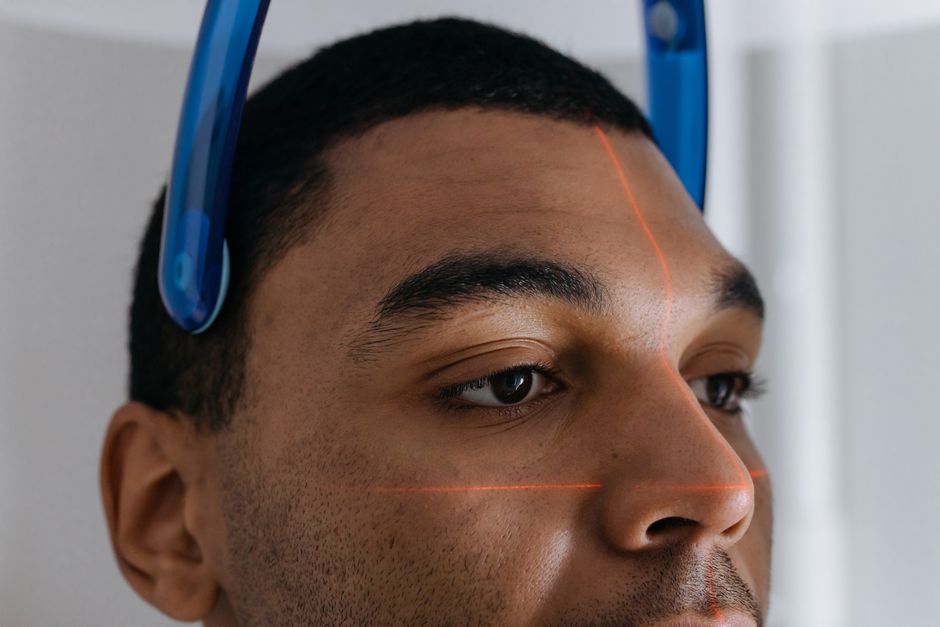
A closed MRI is a magnetic resonance imaging machine built as a full cylinder — a long tube with a bore, the opening you slide into, typically around 60 to 70 centimeters wide. Because the magnet surrounds you on all sides, the scanner can produce detailed images, but it also means some people feel boxed in. Claustrophobia during a closed MRI is common, and it is one of the main reasons patients ask for a different type of scanner or cancel the appointment altogether.
What Is A Closed MRI Design And How Does It Differ From An Open MRI?
The word “closed” describes the shape of the magnet, not the strength of the scan. A closed MRI uses a cylindrical magnet that fully encircles the body. An open MRI uses a different geometry — often two flat magnet plates above and below, or a wider C-shaped design — so the sides are open and the patient can see out.
The trade-off is real and worth understanding before you choose.
- Image quality: Closed scanners generally produce higher-resolution images, especially for small structures and for areas that move, like the heart or abdomen. Higher magnetic field strength is common in closed systems.
- Openness: Open scanners reduce the sense of enclosure, but many operate at lower field strength, which can mean longer scan times or less detail for certain exams.
- Bore length: Some closed scanners are “short-bore” or “wide-bore” — shorter tubes and wider openings that reduce the tunnel feeling without giving up the closed design.
Not every closed scanner is the same. A wide-bore closed MRI with a short tube can feel very different from an older long-tube machine. If claustrophobia is your concern, the specific scanner at your facility matters more than the general category.
Why Do Some People Feel Claustrophobic During A Closed MRI?
Claustrophobia in an MRI is not a character flaw or a sign of being “difficult.” It is a normal stress response to being placed inside a narrow, enclosed space where you cannot easily move or see an exit.
The scanner itself adds to the pressure. During the exam you must lie completely still, often for 20 to 60 minutes depending on the study. The machine makes loud knocking and buzzing sounds. You are alone in the room, though staff can see and hear you through a window and an intercom. For someone with even mild claustrophobia, those conditions can trigger a racing heart, sweating, shallow breathing, or a strong urge to get out.
Estimates vary, but a meaningful share of patients report anxiety or claustrophobic feelings during MRI. Some studies suggest a notable percentage require sedation or cannot complete the scan. The exact numbers differ by population and by how the question is asked, so treat any single figure with caution.
It helps to know that MRI does not use ionizing radiation. The magnet and radio waves are not the same as X-rays or CT scans. That is a genuine advantage of MRI, and it is separate from the claustrophobia issue.
What Does A Closed MRI Feel Like During The Scan?
Most people describe the bore as snug but not painful. Your body slides into the tube on a table, and for many exams your head stays outside or near the opening. For head, neck, or upper chest scans, you may go in further, sometimes with your head inside the bore.
The physical sensations are usually mild. You may feel warmth in the area being scanned. You may notice a faint tingling, which is generally harmless. The dominant experience is the noise and the stillness.
Staff typically give you earplugs or headphones, a call button to squeeze if you need to stop, and a mirror or prism so you can see out of the tube. Knowing these are there before you go in can reduce anxiety. If you tend to feel panicked in tight spaces, say so when you schedule the appointment — not on the table.




How Is Claustrophobia Managed During A Closed MRI?
There is no single fix, and no approach works for everyone. What follows is a range of options that clinics use. Some are well established; others are common practice with less formal evidence behind them.
Practical steps that many facilities offer:
- Choosing a wide-bore or short-bore closed scanner when available
- Going feet-first into the tube so your head stays near the opening
- Using a mirror or video goggles to see outside
- Keeping your eyes closed and using headphones with music
- Having a friend or family member in the room (when the facility allows it)
- Scheduling a longer appointment so you are not rushed
Relaxation techniques such as slow breathing, guided imagery, or progressive muscle relaxation help some patients. The evidence for these in MRI specifically is limited, but they carry little risk and are widely used.
Medication is an option for significant anxiety. Some clinics offer a mild oral sedative before the scan, prescribed by the referring clinician. This is common clinical practice, though it is not appropriate for everyone — it can affect driving, and it requires someone else to take you home. If you think you may need sedation, raise it in advance with your doctor and the imaging center.
Open MRI or other alternatives may be possible depending on what your doctor needs to see. For some exams, an open scanner or a stand-up scanner can provide adequate images. For others, the detail from a closed high-field scanner matters, and switching may not be an option. Ask your referring clinician whether an alternative would still answer the clinical question.
Is A Closed MRI Always Necessary?
Not always, but often it is the better choice for certain exams. The clinical question drives the decision, not patient preference alone.
Closed high-field scanners tend to be preferred for detailed brain imaging, small joint structures, cardiac imaging, and some abdominal studies. Open scanners can work well for larger areas, for patients who cannot tolerate a closed tube, and for some spine and extremity exams. The right answer depends on what your doctor is looking for.
If claustrophobia is the main obstacle, the practical path is usually this: tell your doctor and the imaging center early, ask what scanner they have, and ask whether a wide-bore closed unit or an open unit would still give the information needed. Many patients who assume they cannot do an MRI find that a different scanner or a few adjustments make it manageable.
What Should You Tell Your Doctor Before A Closed MRI?
Speak up about anxiety before the day of the scan. Mentioning it at scheduling gives the facility time to match you with the right machine or arrange support.
Also tell your care team about anything that could affect safety in the magnet room. Metal implants, pacemakers, cochlear implants, some aneurysm clips, and certain foreign bodies can be unsafe or can distort the images. Not all implants are MRI-safe, and the rules differ by device. This is a screening step every MRI facility performs, and it is not optional.
If you are pregnant or think you might be, tell your doctor and the imaging staff. MRI without contrast is generally considered acceptable in pregnancy when there is a clear medical need, but decisions about contrast agents and timing should be made with your clinician rather than assumed.
Finally, if you have needed sedation for medical procedures before, or if you have panic attacks in enclosed spaces, say so. That history is useful information, not an inconvenience.
Frequently Asked Questions
Is a closed MRI the same as a regular MRI?
A closed MRI is the most common type of MRI scanner, so “regular MRI” often means a closed one. Open MRI is a different design with open sides, usually at lower field strength.
Can I get an open MRI instead if I am claustrophobic?
Sometimes, but it depends on what your doctor needs to see. Some exams require the detail of a closed high-field scanner, so ask your referring clinician whether an open or wide-bore option would still answer the clinical question.
Do you go all the way inside a closed MRI?
It depends on the body part being scanned. For many exams your head stays near or outside the opening, while head and upper chest scans may place your head inside the bore.
How long does a closed MRI usually take?
Most scans take roughly 20 to 60 minutes, depending on the study and the scanner. Ask your imaging center for a realistic estimate for your specific exam.
