
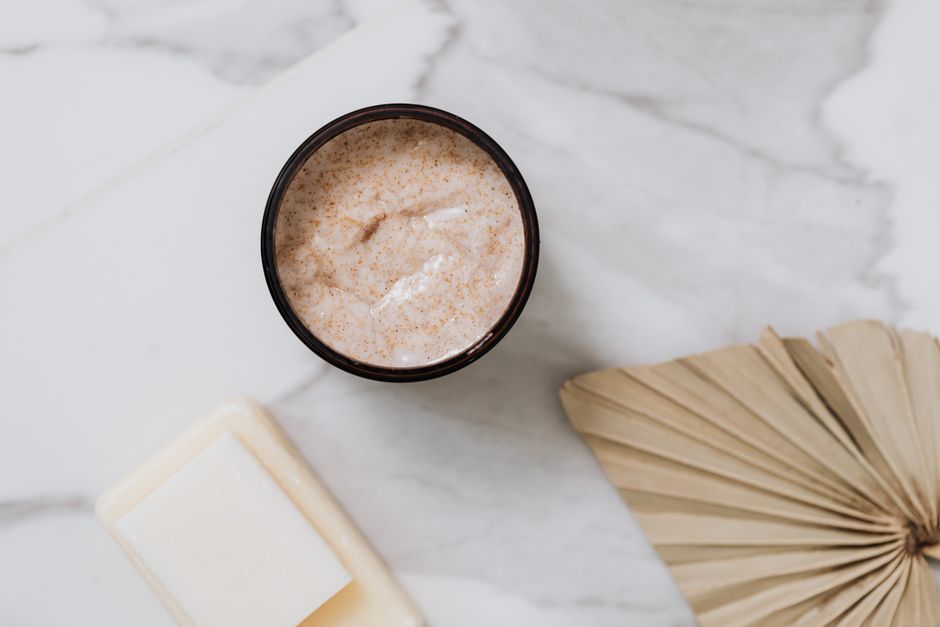
A cinnamon scrub is a skincare product or homemade mixture that combines ground cinnamon with a base like sugar, salt, oil, or honey and is rubbed onto the skin to exfoliate. The cinnamon adds scent and a warming sensation, but it also contains compounds that can irritate skin, especially when used undiluted or too often. Understanding what the spice actually does — and does not do — matters before you try one.
What Is A Cinnamon Scrub and How Does It Work?
A cinnamon scrub works in two ways at once. The gritty particles — usually sugar or salt — physically lift dead cells from the surface of the skin. The cinnamon itself contributes scent, color, and a mild warming feeling caused by a compound called cinnamaldehyde.
That warming sensation is not the same as “increasing circulation” in any meaningful, lasting way. It is a sensory response. Cinnamaldehyde is the same molecule responsible for the spice’s flavor, and it is also a known skin irritant in sufficient concentration. This is the most important thing to understand about cinnamon scrubs: the ingredient that makes them feel active is the same one most likely to cause trouble.
Physical exfoliation with sugar or salt is a well-established way to smooth skin temporarily. The cinnamon is largely along for the ride — it does not have strong evidence as a stand-alone skincare treatment. No large human trials confirm that cinnamon exfoliates, brightens, or repairs skin on its own.
What Are the Risks of Using Cinnamon on Your Skin?
Cinnamon can irritate skin, and for some people it causes a genuine allergic reaction. The evidence for irritation is solid — cinnamaldehyde is a recognized contact allergen and is included in standard patch-test screening panels used by dermatologists.
Reactions range from mild to significant:
- Redness, warmth, and stinging during or after use
- Dryness and flaking, especially with frequent use
- Contact dermatitis — an itchy, sometimes blistering rash
- Worsening of existing conditions like eczema or rosacea
A common mistake is assuming that because cinnamon is a food, it is gentle on skin. Food ingredients are not automatically safe for topical use. Essential oils and concentrated spice powders can be far more irritating than the amount you would eat in a meal.
There is also a burn risk worth naming plainly. Some viral recipes call for applying cinnamon with lemon juice or undiluted essential oil. Both can injure skin. Lemon juice is acidic and can cause a phytophotodermatitis reaction — a rash triggered when certain plant compounds on skin are exposed to sunlight. This is not a theoretical concern; it is a documented cause of skin injury.
How Do You Use a Cinnamon Scrub Safely?
If you choose to use a cinnamon scrub, keep the cinnamon content low and the exfoliating particles fine. A small pinch of ground cinnamon in a base of sugar and a carrier oil is far gentler than a thick paste of pure spice.
Practical steps that reduce risk:
- Do a patch test first — apply a small amount to your inner forearm, wait 24 hours, and check for redness or itching
- Use gentle pressure; scrubbing hard damages the skin barrier
- Limit use to once or twice a week at most
- Rinse thoroughly with lukewarm water afterward
- Follow with a plain moisturizer to support the skin barrier
- Skip it entirely on broken, sunburned, or freshly shaved skin
Stop using it right away if you feel stinging that does not fade within a minute or two. Mild warmth is common; pain is not. If a rash develops, discontinue use and consider seeing a dermatologist, especially if it spreads or blisters.
Which Skin Types Should Avoid Cinnamon Scrubs?
People with sensitive skin, eczema, rosacea, or a history of allergic reactions should avoid cinnamon scrubs. These conditions involve an already-compromised skin barrier, and an irritant like cinnamaldehyde is more likely to trigger a flare.
You should also skip cinnamon scrubs if you have:
- Known allergy to cinnamon or related spices
- Active acne with open or inflamed lesions
- Recent chemical peels, laser treatments, or waxing
- Very dry or cracked skin
Anyone can develop a sensitivity over time, even without a prior reaction. Allergies are not always predictable, and repeated exposure to an irritant can gradually increase reactivity. If you have never used cinnamon on your skin, the patch test is not optional caution — it is the sensible first step.
Does Cinnamon Have Proven Skin Benefits?
The evidence for cinnamon as a skin treatment is limited. Some laboratory studies suggest cinnamon extracts have antibacterial and antioxidant activity in a dish. That is not the same as proving benefit on human skin, and it does not mean a kitchen scrub delivers those effects.
What the research does support is the value of exfoliation itself. Regular gentle physical or chemical exfoliation can improve skin texture and help other products absorb. The exfoliating particles in a scrub do that work — not the cinnamon.
Claims that cinnamon scrubs “boost collagen,” “detoxify,” or “tighten pores” have no solid clinical backing. Pores do not open and close like doors; their appearance can change with cleanliness and skin hydration, but a spice scrub does not permanently shrink them. This is one of the most common misunderstandings in skincare marketing.
Can You Make a Cinnamon Scrub at Home?
Yes, and homemade versions are simple — but homemade does not mean safer. The main risk with DIY recipes is that people tend to use far more cinnamon than a commercial product would contain.
A conservative approach uses a small amount of ground cinnamon mixed into a base of fine sugar and a neutral carrier oil such as olive or jojoba oil. Avoid recipes that call for essential oils, lemon juice, or large quantities of spice. Keep the mixture refrigerated if it contains fresh ingredients, and discard it after a short time since it has no preservatives.
If you would rather not take the risk, a plain sugar or salt scrub without cinnamon offers the same exfoliating benefit with far less irritation potential. For many people that is the more sensible choice.
How Does a Cinnamon Scrub Compare to Other Exfoliants?
Cinnamon scrubs sit in the physical exfoliant category, alongside sugar and salt scrubs. Chemical exfoliants — products containing alpha-hydroxy acids like glycolic or lactic acid, or beta-hydroxy acid like salicylic acid — work differently, dissolving the bonds between dead skin cells rather than rubbing them away.
| Type | How It Works | Irritation Potential |
|---|---|---|
| Sugar or salt scrub | Physical friction | Low to moderate |
| Cinnamon scrub | Physical friction plus spice irritant | Moderate to high |
| AHA chemical exfoliant | Dissolves dead cell bonds | Moderate; depends on concentration |
| BHA chemical exfoliant | Dissolves bonds; oil-soluble | Moderate; often used for acne |
Chemical exfoliants have more clinical research behind them for texture and acne than spice-based scrubs do. That does not make them risk-free — overuse causes irritation too — but the evidence base is stronger. If smooth skin is the goal, a fragrance-free physical scrub or a well-formulated chemical exfoliant is generally the better-supported route.
What Should You Do If a Cinnamon Scrub Irritates Your Skin?
Stop using it and rinse the area with cool water. Avoid scrubbing, hot water, and other active products like retinoids or acids until the skin settles.
Apply a plain, fragrance-free moisturizer to support the skin barrier. If you develop a spreading rash, blisters, or significant swelling, see a doctor or dermatologist — these can signal contact dermatitis that may need medical treatment. Most mild irritation from a single use resolves within a few days, but reactions vary and a severe one should not be self-treated.
Frequently Asked Questions
Is a cinnamon scrub safe for your face?
Cinnamon scrubs carry real irritation risk on facial skin, which is thinner and more sensitive than the body. Many dermatologists advise against spice-based scrubs on the face, and a patch test is essential if you try one.
Can cinnamon scrub lighten skin or fade dark spots?
No clinical evidence confirms that cinnamon lightens skin or fades dark spots. Claims about brightening are marketing, not established science.
How often can you use a cinnamon scrub?
Once or twice a week at most, and only if your skin tolerates it without redness or stinging. More frequent use raises the risk of barrier damage.
What happens if you leave a cinnamon scrub on too long?
Longer contact increases the chance of irritation, redness, and burning, because cinnamaldehyde stays in contact with skin. Rinse it off promptly rather than letting it sit.
