
Chiggers are the tiny larvae of mites in the same family as ticks. They bite by injecting digestive enzymes into skin, which breaks down tissue and causes intense itching. Treatment focuses on stopping the itch and preventing infection. Prevention means keeping the mites off your skin and clothing in the first place.
Most people never see the mite that bit them. The larva is about the size of a period at the end of a sentence. What you see afterward is the body’s reaction to the bite — a red, intensely itchy bump, often on skin where clothing fits snugly.
Here is what the evidence supports for treating and preventing chigger bites, and what it does not.
What Is A Chigger Bites Treatment Prevention?
Chigger bites are treated by reducing the itch and preventing infection. Prevention means avoiding the mites, which live in tall grass, weeds, and brush.
The term “chigger” refers to the six-legged larval stage of trombiculid mites. Adult mites have eight legs and do not bite humans. Only the larvae attach to skin, and they do so to feed on broken-down skin cells, not blood.
This is a key point that clears up a common misunderstanding: chiggers do not burrow into your skin and stay there. They attach, feed for a period of hours to a few days, then drop off on their own. The intense itching that follows is an allergic reaction to the enzymes they injected.
Chiggers are found worldwide, and in the United States they are most common in the Southeast, South, and Midwest. They thrive in humid, grassy environments and are most active in warm months.
What Do Chigger Bites Look Like and Where Do They Appear?
Chigger bites appear as small, red, raised bumps or flat welts that itch severely. They often cluster in areas where clothing fits tightly against the skin.
Common locations include:
- The ankles and lower legs
- Behind the knees
- The waistband and beltline
- Around the groin and inner thighs
- Under tight socks and elastic bands
- The armpits
Chiggers prefer skin that is thin and where clothing presses against the body. They do not typically bite the palms or soles because the skin there is too thick.
The itch usually begins within a few hours of the bite and can last for days to a week or more. Scratching can break the skin and lead to secondary bacterial infection — this is the main complication to watch for. Signs of infection include spreading redness, warmth, swelling, pus, or fever.
How Do You Treat Chigger Bites?
Treatment for chigger bites is aimed at relieving itch and preventing infection. There is no medication that cures a chigger bite — the reaction resolves on its own as the skin heals.
Some steps that clinicians commonly recommend:
- Wash the area with soap and water as soon as you notice bites.
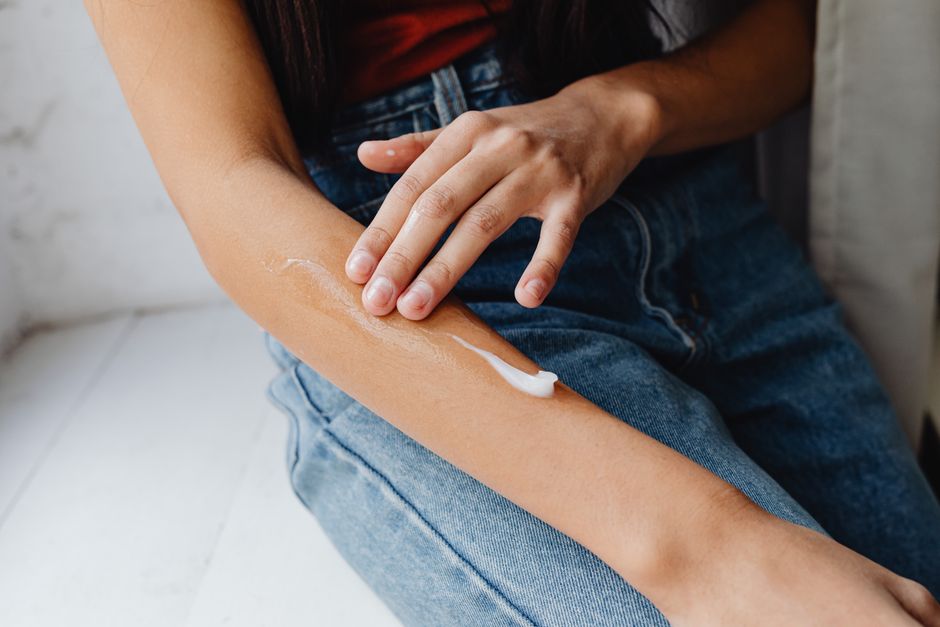
- Apply an over-the-counter hydrocortisone cream or calamine lotion to reduce itching.
- Take an oral antihistamine if itching is severe or interferes with sleep.
- Keep fingernails short and avoid scratching to reduce the risk of infection.
- Apply a cool compress to soothe irritated skin.
One note on a widely repeated remedy: some sources suggest applying nail polish to “suffocate” the chigger. This is unnecessary because the mite is not inside the skin. The nail polish does not treat the bite and may irritate the skin further.
If a bite becomes infected — marked by increasing pain, redness that spreads, or pus — see a healthcare provider. Some people develop a more widespread allergic reaction with hives or swelling, which also warrants medical attention.
The evidence on individual home remedies is limited. Some studies suggest certain topical treatments reduce itch, but no large trials have compared all options head to head. Hydrocortisone and antihistamines are widely used and generally considered reasonable first steps.
How Do You Prevent Chigger Bites?
Prevention means keeping chiggers off your skin. The mites cannot bite through clothing, so covering up is one of the most effective strategies.
Practical prevention steps include:
- Wear long pants and long sleeves when walking in tall grass or brush.
- Tuck pant legs into socks or boots.
- Use an insect repellent labeled for chiggers, following label directions.
- Shower with soap and water soon after being outdoors, and wash clothing in hot water.
- Avoid sitting or lying directly on the ground in grassy areas.
- Keep lawns mowed and remove weeds and brush near your home.
Products containing DEET are widely recommended by public health agencies for repelling biting mites and insects. Permethrin-treated clothing is also used by some outdoor workers and is applied to fabric, not skin. Follow all label instructions carefully — permethrin should not be applied directly to skin.
Showering soon after exposure helps because chiggers take time to attach and settle. A quick shower may remove mites before they begin feeding, though this is a practical measure rather than one tested in large trials.
When Should You See a Doctor for Chigger Bites?
Most chigger bites heal without medical care. See a doctor if signs of infection appear or if the reaction is severe.
Seek medical attention if you notice:
- Redness that spreads or streaks away from the bite
- Increasing pain, warmth, or swelling
- Pus or drainage from the bite
- Fever or chills
- Widespread hives or swelling
- Bites that do not improve after a week or more
In some parts of the world, chiggers can transmit a bacterial infection called scrub typhus. This is not a concern in the United States, where the mites are not known to carry the bacteria that cause it. Travelers to parts of Asia and the Pacific should be aware of this risk and take prevention seriously.
Some people are more sensitive to chigger bites than others. Severe itching and large welts are a reaction to the mite’s enzymes, not a sign of a dangerous condition on their own.
Do Chiggers Carry Disease in the United States?
Chiggers in the United States are not known to transmit disease to humans. The main problem they cause is the intensely itchy bite itself.
This is different from ticks, which are in the same family and do carry diseases such as Lyme disease and Rocky Mountain spotted fever. People often confuse the two because both are tiny and both bite. But chiggers are not disease vectors in North America.
The itching and redness are an allergic response. That response can be uncomfortable and, in rare cases, severe, but it is not an infection.
What Makes Chigger Bites Itch So Much?
The itch comes from an allergic reaction to enzymes in the mite’s saliva. When the chigger feeds, it injects these enzymes to break down skin cells, and the body’s immune system responds with inflammation and itching.
This is why the itch often peaks a day or two after the bite rather than immediately. The immune response builds over time.
Because the reaction is allergic, antihistamines can help. They block histamine, one of the chemicals the body releases during an allergic response. This is also why some people react more strongly than others — sensitivity varies from person to person.
Frequently Asked Questions
Do chiggers burrow into your skin?
No, chiggers do not burrow into the skin. They attach to the surface, feed for a period of hours to a few days, and then drop off on their own.
How long do chigger bites last?
The itch from chigger bites typically lasts for several days to a week or more, though this varies from person to person. Bites usually heal on their own without treatment.
What is the best way to stop chigger bites from itching?
Over-the-counter hydrocortisone cream, calamine lotion, and oral antihistamines are commonly used to reduce itching. Avoiding scratching is important because it can lead to infection.
Are chiggers dangerous?
In the United States, chiggers are not known to carry disease. The main risk is secondary infection from scratching, which is why keeping the skin clean and avoiding scratching matters.
