
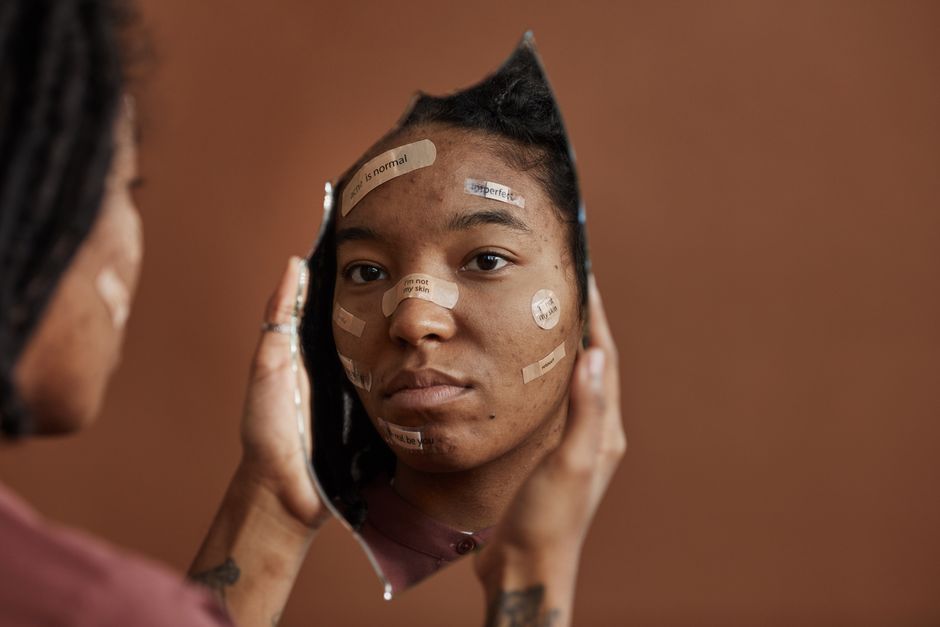
A broken skin barrier is when the outermost layer of your skin stops holding moisture in and keeping irritants out. The result is dryness, tightness, redness, stinging, and skin that reacts to products it used to tolerate. Repairing it means calming inflammation, stopping anything that strips the skin, and giving the barrier the lipids it needs to rebuild.
What Is A Broken Skin Barrier And How To Repair It?
Your skin’s outer layer is called the stratum corneum. It works like a brick wall. Skin cells are the bricks, and a mix of fats — ceramides, cholesterol, and fatty acids — acts as the mortar holding them together. This structure is what keeps water inside your body and keeps bacteria, allergens, and chemicals out.
When that mortar breaks down, water escapes too fast. This is called transepidermal water loss. At the same time, irritants get in more easily. The skin becomes dry, tight, and easily irritated. It may sting when you apply products that never bothered you before.
The fix is not one miracle product. It is removing what damaged the barrier and supplying what the skin needs to rebuild it. Most mild cases improve within days to a few weeks once the causes are removed. More severe cases, or those tied to eczema, can take longer and may need a doctor’s help.
What Causes A Broken Skin Barrier?
Most broken barriers come from something stripping the skin faster than it can repair itself. The skin constantly rebuilds its outer layer, but it can only keep up with so much.
Common causes include:
- Over-washing and harsh cleansers. Soaps and body washes with strong surfactants remove the oils that form the barrier’s mortar. Hot water makes this worse.
- Overuse of exfoliants and acids. Scrubs, retinoids, and chemical exfoliants speed up skin turnover. Used too often or layered together, they thin the barrier faster than it can rebuild.
- Weather and low humidity. Cold air holds little moisture, and indoor heating dries it further. Winter is a common trigger.
- Allergic reactions and irritant contact. Fragrances, preservatives, and some metals can trigger inflammation that damages the barrier.
- Eczema and other skin conditions. In atopic dermatitis, the barrier is often faulty to begin with. Research consistently shows that people with eczema tend to have lower levels of ceramides and other barrier lipids in their skin.
- Aging. Barrier function and skin hydration decline gradually with age, which is one reason older skin becomes drier and more sensitive.
One thing people often miss: the barrier is not damaged by a single bad day. It is usually worn down by a pattern — daily hot showers, a strong cleanser, and several active ingredients stacked on top of each other.
What Are the Signs of a Damaged Skin Barrier?
A damaged barrier shows up as skin that feels and looks reactive. The signs are usually obvious once you know what to look for.
- Dryness and tightness, especially after washing
- Redness and a stinging or burning feeling when you apply products
- Flaking or rough patches
- Increased sensitivity to things that used to be fine
- Dullness and a feeling that moisturizer “sits on top” instead of soaking in
These signs overlap with many skin conditions, including eczema, rosacea, and contact dermatitis. That overlap matters. If your skin is very red, cracked, oozing, or painful, or if it is not improving after a couple of weeks of gentle care, see a doctor or dermatologist. A broken barrier is often part of a larger picture, and treating only the surface can miss the real cause.





How Do You Repair a Broken Skin Barrier?
Repair works on two tracks at once: stop the damage, and feed the rebuild. Neither works well alone.
Stop stripping the skin
Cut back to the basics. Use lukewarm water instead of hot. Choose a gentle, fragrance-free cleanser instead of soap, and wash your face once or twice a day rather than more. Pause exfoliants, retinoids, and strong acids until the skin settles. This step alone often makes a real difference within days.
Moisturize with the right ingredients
Look for moisturizers built around the barrier’s own components. Ceramides, cholesterol, and fatty acids are the mortar. Products that combine these are designed to replace what is missing. Humectants like glycerin pull water into the skin, and occlusives like petrolatum or dimethicone help hold it there.
Evidence indicates that regular use of moisturizers supports barrier recovery and reduces water loss. What the evidence does not show is that any single product is a guaranteed fix. Consistency matters more than brand.
Protect and be patient
Use sunscreen daily, since UV exposure damages the barrier further. Keep indoor air from getting too dry in winter. Avoid fragrances and alcohol-heavy products while the skin heals. Give it time — mild damage often improves over days to a few weeks, but full recovery depends on the cause and how much the skin was stripped.
Which Ingredients Actually Help Repair the Barrier?
Some ingredients have solid support for barrier repair. Others are mostly marketing. Here is an honest breakdown.
| Ingredient | What the evidence shows |
|---|---|
| Ceramides | Key barrier lipid. Research supports their role in restoring barrier function, especially in eczema-prone skin. |
| Petrolatum | One of the most effective occlusives. Reduces water loss strongly and is well tolerated by most people. |
| Glycerin | A well-established humectant that draws water into the skin. |
| Niacinamide | Some studies suggest it supports ceramide production and reduces water loss. Evidence is promising but not definitive. |
| Panthenol (provitamin B5) | Some evidence for soothing and hydration. Modest support. |
| Colloidal oatmeal | Evidence supports its use for soothing irritated, itchy skin. |
Be skeptical of products that promise to “rebuild” the barrier without listing barrier lipids or proven moisturizers. No clinical evidence currently confirms that most trendy ingredients repair a damaged barrier on their own.
What Makes a Broken Skin Barrier Worse?
Some habits slow healing more than people realize. The most common mistake is treating irritation with more products instead of fewer.
Layering acids, scrubs, and retinoids on already-irritated skin tends to make things worse, not better. So does switching products every few days looking for a fast fix — the skin needs time to respond. Hot showers, harsh soaps, and fragranced products add ongoing damage. Picking at flaking skin can also break it down further.
One non-obvious point: a product can be “gentle” and still cause irritation if you use too much or too often. More is not better when the barrier is compromised.
When Should You See a Doctor?
See a doctor or dermatologist if the skin is cracked, bleeding, oozing, or very painful. Also seek care if there are signs of infection, such as warmth, swelling, or pus. These are not typical of simple barrier damage and need proper evaluation.
You should also get help if gentle care for a couple of weeks is not improving things, or if the problem keeps coming back. Persistent or recurring barrier problems are often linked to eczema, rosacea, or contact allergy, which benefit from targeted treatment. A doctor can help identify triggers and prescribe treatments when over-the-counter care is not enough.
Frequently Asked Questions
How long does it take to repair a broken skin barrier?
Mild damage often improves within days to a few weeks once you stop stripping the skin and start moisturizing. More severe cases, or those tied to eczema, can take longer and may need medical treatment.
Can a damaged skin barrier heal on its own?
The skin constantly rebuilds its outer layer, so mild damage can improve on its own if you stop the habits that caused it. Severe or persistent cases usually need gentle care and sometimes a doctor’s help.
Is Vaseline good for a broken skin barrier?
Petrolatum, the main ingredient in Vaseline, is one of the most effective occlusives for reducing water loss. It helps hold moisture in but does not replace barrier lipids like ceramides, so it works best alongside a moisturizer.
What should I stop using if my skin barrier is damaged?
Pause exfoliants, retinoids, strong acids, and fragranced products until the skin settles. Switch to a gentle, fragrance-free cleanser and lukewarm water.
