
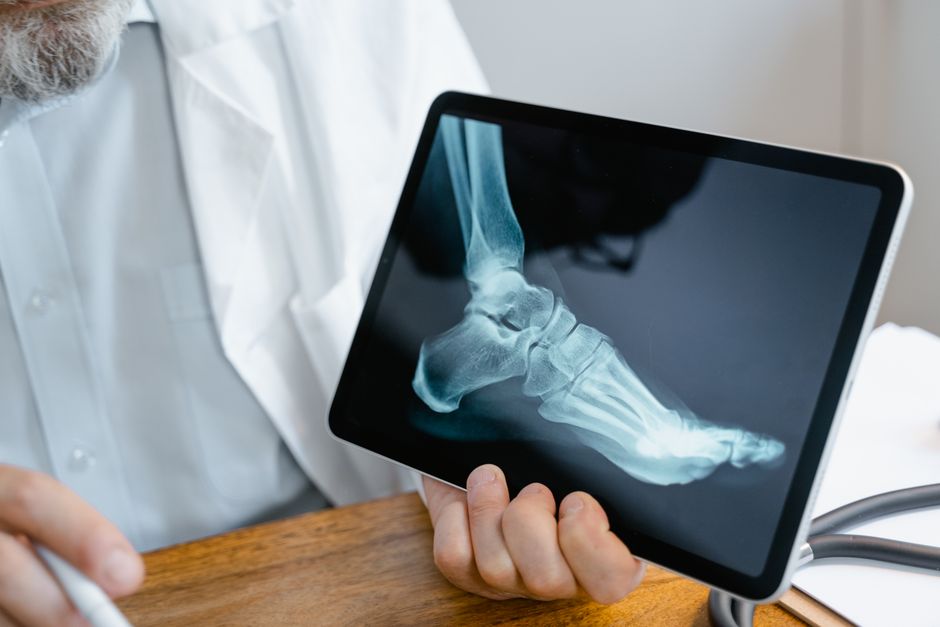
A bone spur in the foot is an extra growth of bone that develops along the edge of an existing bone. In the foot, these growths most often form on the heel, the top of the foot, or near the toes. They are the body’s response to pressure, rubbing, or stress over a long period. The growth itself is usually smooth, but it can cause significant pain when it presses against nerves, soft tissue, or the inside of your shoe.
What Causes Bone Spurs To Form In The Foot?
Bone spurs are not random growths. They form as a response to chronic stress or inflammation. When ligaments and tendons pull on the bone repeatedly, the body lays down extra bone to reinforce the area. Over time, this extra bone becomes a visible spur.
The most common cause is long-term strain on the foot. This can come from wearing ill-fitting shoes, standing for hours on hard surfaces, or being overweight. Activities that involve a lot of running or jumping can also trigger them.
Arthritis is another major cause. Osteoarthritis breaks down the cartilage that cushions the joints. The body tries to repair the damage by growing new bone, which forms spurs. This is common in the mid-foot and around the big toe.
Plantar fasciitis is closely linked to heel spurs. The plantar fascia is a thick band of tissue running along the bottom of the foot. When it pulls on the heel bone repeatedly, a spur can grow at the attachment point. Keep in mind that many people with plantar fasciitis have no spur, and many people with a heel spur have no pain.
What Are The Symptoms Of A Bone Spur In The Foot?
Many bone spurs cause no symptoms at all. You can have one for years and never know it. The spur only becomes a problem when it presses on surrounding tissue or nerves.
When symptoms do appear, they depend on the location of the spur. A heel spur typically causes sharp pain in the bottom of the heel. The pain is often worst in the morning when you take your first steps. It may ease during the day but return after long periods of standing.
Spurs on the top of the foot cause a different kind of discomfort. You may feel a hard lump under the skin. It can hurt when you bend your foot upward or when anything presses against it. Tight shoes often make this pain worse.
Spurs near the toes can cause stiffness and difficulty bending the joint. You might notice swelling or redness in the area. In some cases, the spur rubs against the inside of a shoe and causes the skin to become irritated or form a callus.
Numbness or tingling can occur if the spur presses on a nerve. This is less common but can happen with certain spur locations. The sensation usually goes away when you remove your shoe and rest the foot.
How Is A Bone Spur In The Foot Diagnosed?
If you have persistent foot pain, a doctor can determine whether a bone spur is the cause. The process starts with a physical exam. The doctor will press on the foot to find tender areas and ask about your daily activities and footwear.
Imaging tests confirm the diagnosis. An X-ray is the standard tool because bone spurs are clearly visible on it. The X-ray also shows the doctor whether arthritis is present in the joints.
In some cases, the doctor may order an MRI. This is not needed for every patient. An MRI is useful when the doctor suspects damage to soft tissue, such as a torn ligament or a problem with the plantar fascia.
It is important to know that finding a spur on an X-ray does not automatically mean it is causing your pain. Many people have spurs with no symptoms at all. The doctor will consider your symptoms, your exam findings, and the imaging together before making a diagnosis.




What Are The Treatment Options For Foot Bone Spurs?
Treatment depends on how much pain the spur causes. Most cases improve with conservative care at home. Surgery is reserved for severe cases that do not respond to other treatments.
Rest and activity changes are the first step. Reducing the amount of time you spend on your feet gives the inflamed tissue a chance to heal. Switching to low-impact activities like swimming or cycling can help maintain fitness without stressing the foot.
Footwear changes make a significant difference. Shoes with a wide toe box and good arch support reduce pressure on the spur. Avoid flat shoes, high heels, and shoes that are too tight. A shoe with a cushioned sole absorbs shock and reduces strain on the heel.
Orthotic inserts are another common treatment. These are arch supports placed inside the shoe. They help distribute pressure more evenly across the foot. For heel spurs, a heel cup or pad can cushion the area and reduce direct pressure on the spur.
Ice therapy helps reduce inflammation. Apply an ice pack to the painful area for 15 to 20 minutes several times a day. Do not apply ice directly to the skin. Wrap it in a thin cloth first.
Over-the-counter pain relievers can manage discomfort. Nonsteroidal anti-inflammatory drugs like ibuprofen reduce both pain and inflammation. Use them as directed on the label and talk to your doctor if you need them for more than a few days.
Stretching exercises are often recommended, especially for heel spurs. Stretching the calf muscles and the plantar fascia can reduce tension on the heel bone. A physical therapist can teach you the right exercises for your specific situation.
Steroid injections are an option when other treatments fail. A doctor injects corticosteroid medication into the painful area to reduce inflammation. The relief is often temporary, and repeated injections are not recommended because they can weaken tissue over time.
When Is Surgery Needed For A Bone Spur?
Surgery is the last resort. It is considered only when conservative treatments have been tried for several months without success. The goal of surgery is to remove the spur and relieve pressure on the surrounding tissue.
The procedure varies based on the spur’s location. For heel spurs, the surgeon may also release part of the plantar fascia if it is tight. For spurs on the top of the foot, the surgeon removes the bony growth through a small incision.
Recovery time depends on the procedure. Most people need to stay off the foot for a period of time, followed by a gradual return to normal activity. Physical therapy is often part of the recovery process.
Surgery is not a guaranteed cure. Some people continue to have pain after the procedure. This is why doctors exhaust all other options before recommending surgery.
Can Bone Spurs In The Foot Be Prevented?
You cannot completely prevent bone spurs, but you can reduce your risk. The main strategy is to reduce the stress you put on your feet.
Wearing supportive shoes is the single most important step. Choose shoes that fit well and provide adequate arch support. Replace worn-out shoes regularly, because they lose their cushioning and support over time.
Maintaining a healthy weight reduces the load on your feet. Every pound of body weight puts additional pressure on your feet with each step. Weight loss can ease existing symptoms and lower your risk of developing new spurs.
Warming up before exercise and stretching afterward keeps the tissues in your feet flexible. Strong, flexible muscles and tendons are less likely to pull on the bone and trigger spur formation.
Frequently Asked Questions
Can a bone spur in the foot go away on its own?
No, a bone spur does not go away on its own. The pain can improve with rest and treatment, but the bony growth itself remains.
How long does it take to recover from foot bone spur surgery?
Recovery typically takes several weeks to a few months. Most people can return to normal shoes and activities within six to eight weeks, but full recovery depends on the procedure and your overall health.
Is walking good for a heel bone spur?
Walking can help or hurt depending on the situation. Short walks in supportive shoes with cushioned insoles may be fine, but long walks or walking on hard surfaces can worsen the pain.
What is the difference between plantar fasciitis and a heel spur?
Plantar fasciitis is inflammation of the tissue along the bottom of the foot, while a heel spur is a bony growth on the heel bone. They often occur together, but you can have one without the other.
