
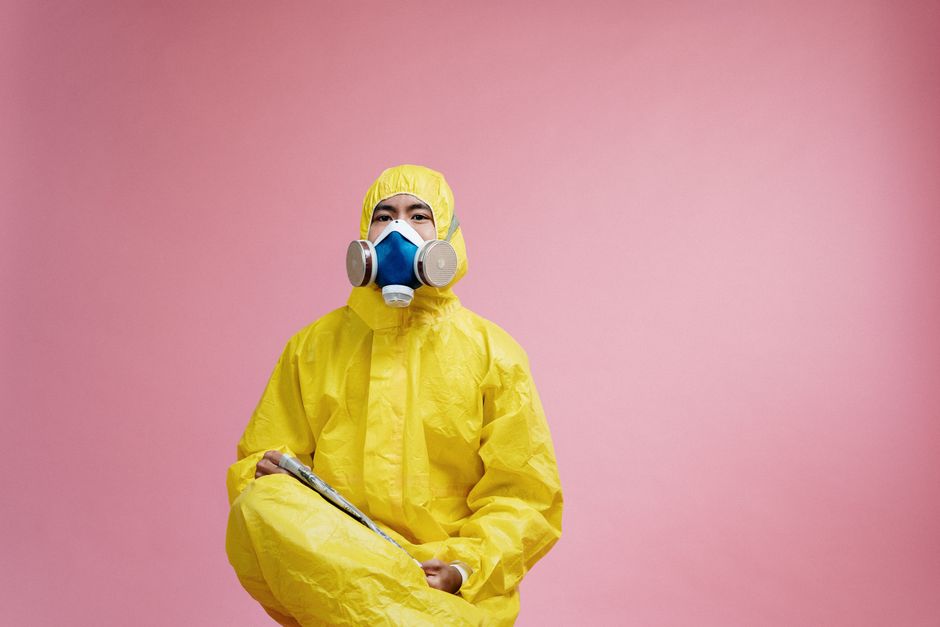
A biological hazard is any living organism — or the toxins it produces — that can make people sick when it ends up in food. For food handlers, that means bacteria, viruses, parasites, and molds that can contaminate food at any point from receiving to serving. The term is often shortened to “biohazard” in food safety training, and it is one of three main hazard categories, alongside physical hazards like glass or bone and chemical hazards like cleaning agents.
Understanding biological hazards matters because they cause most foodborne illness. The Centers for Disease Control and Prevention has consistently identified bacteria and viruses as the leading causes of foodborne disease outbreaks in the United States. For anyone who prepares, cooks, or serves food, knowing what these hazards are and how they spread is the foundation of safe practice.
What Is A Biological Hazard For Food Handlers?
A biological hazard is a microorganism that can cause illness when consumed in food. The four main types are bacteria, viruses, parasites, and fungi. Some biological hazards infect the body directly. Others produce toxins in food before it is eaten, and it is the toxin — not the organism — that causes illness.
Food handlers encounter these hazards constantly. Raw meat, poultry, eggs, unpasteurized dairy, and unwashed produce can all carry harmful organisms. So can the human body. A food handler’s hands, hair, saliva, and even a small wound can introduce pathogens into food that was previously safe.
The distinction between infection and intoxication matters for understanding symptoms. Infection happens when you swallow live organisms that then multiply inside your gut. Intoxication happens when you swallow a toxin that was already produced in the food. Intoxication can cause symptoms faster because the toxin is already present and does not need time to multiply.
This is why some foodborne illnesses strike within hours and others take a day or more to appear.
What Are The Main Types Of Biological Hazards In Food?
Bacteria are the most studied category. Common examples include Salmonella, E. coli, Listeria, and Campylobacter. These organisms thrive in warm, moist environments and can double in number rapidly under the right conditions. Most bacteria that cause foodborne illness grow fastest between 40°F and 140°F — a range food safety training calls the temperature danger zone.
Viruses are different. They cannot multiply in food. They need a living host. This means a virus like norovirus or hepatitis A gets into food through contamination — usually from an infected person’s hands — and then waits until someone eats it. Norovirus is widely recognized as a leading cause of foodborne illness outbreaks in the United States.
Parasites are less common in the U.S. food supply but still relevant. They include organisms like Toxoplasma and Trichinella. Parasites are often associated with undercooked meat, contaminated water, or unwashed produce.
Fungi include molds and yeasts. Some molds produce mycotoxins, which are toxic compounds that can cause illness. Molds are more of a concern in stored grains, nuts, and aged foods than in freshly prepared meals.
Each type requires different control measures. That is why food safety training separates them rather than treating all biological hazards the same way.
How Do Biological Hazards Get Into Food?
Contamination happens through several pathways. Understanding them is how food handlers prevent it.
- Cross-contamination: Harmful organisms transfer from one food to another, often via cutting boards, utensils, or hands.
- Poor personal hygiene: Not washing hands after using the bathroom, touching the face, or handling raw meat.
- Improper cooking temperatures: Undercooking leaves pathogens alive.
- Improper holding temperatures: Leaving food in the danger zone allows bacteria to multiply.
- Contaminated raw ingredients: Produce or meat that arrives already carrying pathogens.
- Infected workers: A food handler who is sick can spread viruses and bacteria to food.
The human element is significant. A food handler who comes to work with vomiting or diarrhea can contaminate food even if they feel mostly fine. Many food safety guidelines require workers to stay home when they have these symptoms, specifically because of the risk.
Cross-contamination is probably the most underestimated pathway. A knife used to cut raw chicken and then used on lettuce can transfer Salmonella without any visible sign. The lettuce looks clean. It is not.




What Are The Symptoms Of Foodborne Illness?
Symptoms vary by organism, but common signs include nausea, vomiting, diarrhea, stomach cramps, and fever. Some illnesses also cause headache, muscle aches, or fatigue.
Timing matters. Some biological hazards cause symptoms within a few hours. Others take 12 to 72 hours or longer. For example, Staphylococcus aureus intoxication can cause vomiting within hours because the toxin is already present. Salmonella infections typically take longer to produce symptoms because the bacteria need time to multiply in the body.
Most people recover without treatment. But some groups face higher risk of severe illness. These include infants, young children, older adults, pregnant women, and people with weakened immune systems. For these groups, a foodborne infection can be serious or even life-threatening.
Listeria is a particular concern during pregnancy. It can cause miscarriage, stillbirth, or serious illness in newborns. Pregnant women are often advised to avoid certain high-risk foods like unpasteurized dairy and deli meats that are not reheated.
If symptoms are severe, persistent, or accompanied by high fever or blood in the stool, medical attention is warranted. This is not a situation for home remedies.
How Can Food Handlers Prevent Biological Hazards?
Prevention comes down to a few core practices that are well established in food safety science.
Handwashing is the single most effective step. Wash hands with soap and warm water for at least 20 seconds before handling food, after using the bathroom, after touching raw meat, and after coughing or sneezing. Hand sanitizer is not a substitute for soap and water when hands are visibly dirty or after bathroom use.
Temperature control is the second pillar. Cook foods to safe internal temperatures. Keep cold foods at or below 40°F and hot foods at or above 140°F. Reheat leftovers to 165°F. These thresholds come from FDA Food Code guidance and are widely used in food service.
Preventing cross-contamination means using separate cutting boards for raw meat and ready-to-eat foods, washing utensils between uses, and storing raw meat below other foods in the refrigerator so juices cannot drip onto them.
Personal hygiene includes more than handwashing. It means wearing clean clothing, tying back hair, covering cuts with bandages, and staying home when sick. A food handler with an infected wound on the hand can introduce bacteria like Staphylococcus into food.
Time and temperature monitoring is ongoing. Food should not sit in the danger zone longer than two hours — one hour if the temperature is above 90°F. This is a widely taught guideline, though some local regulations may differ slightly.
These practices are not optional. They are the backbone of every food safety certification program, from ServSafe to state-level training requirements.
Why Do Some Biological Hazards Cause Illness Faster Than Others?
The difference comes down to mechanism. Intoxication — where a toxin is already in the food — causes symptoms quickly. Infection — where live organisms must multiply inside the body — takes longer.
Bacillus cereus is a good example. It can cause two types of illness. One type is caused by a toxin produced in food before it is eaten, leading to vomiting within hours. The other type is caused by bacteria that produce toxin in the gut, leading to diarrhea later. Same organism, two different timelines.
This is why food handlers cannot rely on “it looks and smells fine” as a safety check. Toxins can be present without any visible spoilage. The food may look, smell, and taste normal. It can still make someone sick.
It also explains why reheating does not always solve the problem. Heat can kill bacteria, but some toxins are heat-stable. Once the toxin is in the food, cooking may not destroy it. Prevention — not correction — is the goal.
What Training Do Food Handlers Need?
Most U.S. states require some form of food handler training or certification. The specific requirements vary by state and sometimes by county. Some require a formal course and exam. Others require only basic training provided by the employer.
Typical training covers the three hazard types, the temperature danger zone, proper cooking and holding temperatures, handwashing procedures, cross-contamination prevention, and the importance of reporting illness. The FDA Food Code provides a model that many states adopt or adapt.
Training is not a one-time event. Food safety knowledge fades without reinforcement. Many health departments recommend refresher training, and some jurisdictions require it. The exact interval depends on local rules.
What training cannot do is replace vigilance. A food handler who knows the rules but ignores them is still a risk. The goal is to make safe practices automatic, not something you have to remember.
Frequently Asked Questions
What is a biological hazard in food?
A biological hazard is a living organism or its toxin that can cause illness when consumed in food. This includes bacteria, viruses, parasites, and fungi.
What are the four types of biological hazards?
The four main types are bacteria, viruses, parasites, and fungi. Each requires different control measures because they spread and cause illness in different ways.
How do food handlers prevent biological hazards?
Key steps include handwashing, cooking to safe temperatures, keeping food out of the temperature danger zone, and preventing cross-contamination. Staying home when sick is also critical.
Can you get sick from food that looks and smells fine?
Yes. Harmful bacteria and toxins can be present without any visible or olfactory sign of spoilage. Appearance and smell are not reliable indicators of safety.
