
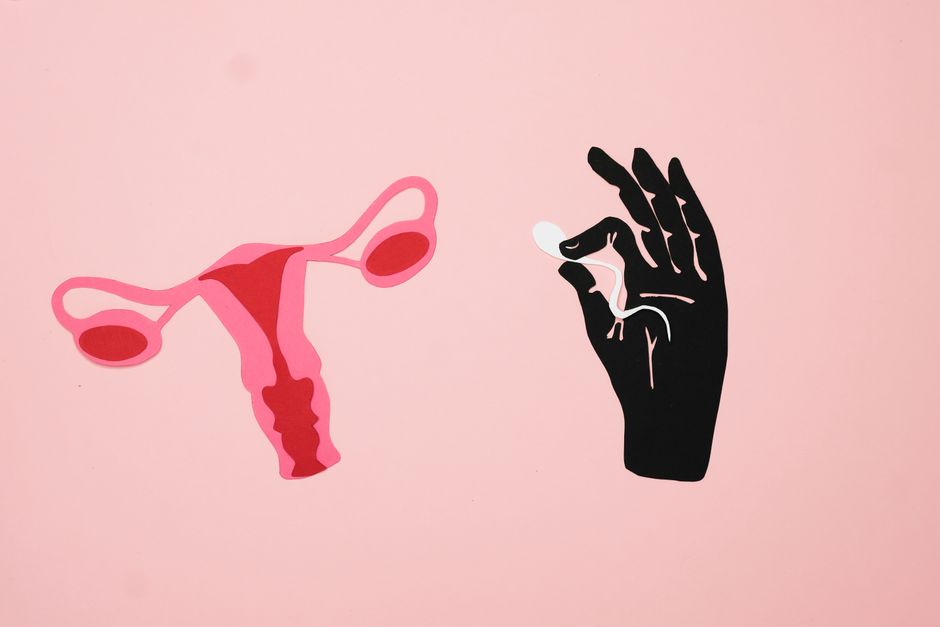
A bicornuate uterus is a congenital condition where the uterus has a heart-like shape with a deep dip at the top. It forms before birth when the two tubes that should merge into one hollow organ do not join completely. Many women with this shape have no symptoms at all and only find out during a routine pelvic exam, imaging test, or pregnancy evaluation.
What Is A Bicornuate Uterus Symptoms Fertility?
A bicornuate uterus is a structural variation present from birth. The uterus develops with two horns or cavities instead of one smooth cavity. Symptoms are often absent, and fertility itself is usually not affected. The main concern linked to this shape is a higher risk of pregnancy complications, not difficulty getting pregnant.
The uterus forms during fetal development when two structures called the Müllerian ducts fuse together. In a bicornuate uterus, that fusion is incomplete. The result is a uterus with an indentation at the top, creating two separate upper chambers that may connect lower down.
This is different from a septate uterus, where a band of tissue divides the cavity. The two conditions can look similar on some imaging tests, and telling them apart matters because they carry different risks and may need different care.
How Common Is a Bicornuate Uterus?
Congenital uterine differences as a group affect a small share of women. Estimates vary widely because many women never have symptoms and never get tested. A bicornuate uterus is one of the less common types within that group.
The exact number is hard to pin down. Studies report different rates depending on whether they look at the general population, women seeing a fertility specialist, or women who have had repeated miscarriages. Women with a history of pregnancy loss tend to be tested more often, so they show up more in the data.
What this means in plain terms: the true rate in all women is likely lower than what you see in fertility clinic numbers. Many women with this shape go through life without ever knowing they have it.
What Are the Symptoms of a Bicornuate Uterus?
Most women with a bicornuate uterus have no symptoms. The shape alone does not cause pain, bleeding, or discomfort in most cases. This is why it often goes unnoticed.
When symptoms do appear, they are usually related to pregnancy or to other conditions that happen alongside it. Possible signs include:
- Recurrent miscarriage, especially in the second trimester
- Premature birth
- Baby positioned abnormally before birth, such as breech
- Pain during menstruation, though this is not specific to this condition
These signs are not unique to a bicornuate uterus. Many women have these experiences for unrelated reasons. A bicornuate uterus is only one possible explanation among several.
Some women also have kidney differences at birth alongside a uterine difference. The same developmental process affects both systems, so when one is found, a doctor may check the other.





Does a Bicornuate Uterus Affect Fertility?
Getting pregnant is usually not the problem. Most women with a bicornuate uterus can conceive without help. The shape does not block sperm or prevent an embryo from implanting in most cases.
The concern is carrying the pregnancy to term. Research consistently shows a higher risk of certain complications, including:
- Miscarriage, particularly later in pregnancy
- Preterm labor and premature birth
- Breech or other unusual fetal positions
- Higher chance of needing a cesarean delivery
The reason is largely mechanical and about space. A smaller, differently shaped cavity may limit how much room the baby has to grow and move. The blood supply to the uterine wall may also differ, which can affect how the pregnancy is supported.
It is important to be clear about what the evidence does and does not show. Not every woman with a bicornuate uterus has complications. Many have normal, healthy pregnancies. The shape raises the odds of problems, but it does not make them certain.
How Is a Bicornuate Uterus Diagnosed?
Diagnosis usually happens when imaging is done for another reason. A doctor may find it during a pregnancy ultrasound, a fertility workup, or an evaluation for repeated miscarriages.
Several imaging methods can show the shape of the uterus:
- Ultrasound is often the first step and can suggest the shape.
- Hysterosalpingography uses a dye and X-ray to outline the inside of the uterus and fallopian tubes.
- MRI gives a detailed view of both the inside and outside of the uterus.
- 3D ultrasound can show the outer contour clearly and is often used to tell a bicornuate uterus apart from a septate uterus.
Distinguishing a bicornuate from a septate uterus is the key challenge. The two look alike on some tests but are treated differently. A septate uterus has a band of tissue inside a single outer wall, while a bicornuate uterus has an indentation on the outside. Imaging that shows the outer shape is needed to tell them apart.
Is There Treatment for a Bicornuate Uterus?
There is no treatment that changes the shape of a bicornuate uterus. Surgery to reshape it is not generally recommended. The evidence does not support routine surgery for this condition, and it carries its own risks.
This is where a bicornuate uterus differs from a septate uterus. Surgery to remove a septum is sometimes done, and some evidence suggests it may lower miscarriage risk in certain women. But that surgery does not apply to a bicornuate uterus, because there is no septum to remove.
Care instead focuses on monitoring the pregnancy closely. A doctor may recommend more frequent checkups, extra ultrasounds, and watching for signs of preterm labor. Some clinicians recommend a procedure called a cervical cerclage in certain cases, where a stitch helps keep the cervix closed. The evidence for this in bicornuate uterus specifically is limited, so it is a decision made case by case.
If you have a bicornuate uterus and are pregnant or planning to be, working with an obstetrician who understands congenital uterine differences is a reasonable step. They can tailor monitoring to your situation.
What Does a Bicornuate Uterus Mean for Pregnancy?
Many pregnancies in a bicornuate uterus go well. The higher risk of complications is real, but it is a raised chance, not a guarantee of problems. The outlook varies from woman to woman.
Factors that may affect the outcome include the size of the two cavities, where the embryo implants, and whether other conditions are present. A woman who has had one complicated pregnancy may have a different experience in the next.
Close monitoring is the main tool. Regular prenatal visits, attention to any signs of early labor, and imaging to check the baby’s growth and position can help catch issues early. In some cases, a doctor may plan for a cesarean delivery if the baby is in a position that makes vaginal birth risky.
The honest position is this: a bicornuate uterus can make pregnancy more complicated, and it deserves careful medical attention. But it does not mean pregnancy is impossible or that a healthy baby is out of reach. Many women with this shape deliver healthy babies.
Frequently Asked Questions
Can you get pregnant with a bicornuate uterus?
Yes, most women with a bicornuate uterus can get pregnant without difficulty. The shape usually affects pregnancy complications rather than the ability to conceive.
Does a bicornuate uterus cause miscarriage?
It is linked to a higher risk of miscarriage, especially in the second trimester, but many women with this shape carry pregnancies to term. The shape raises the odds of loss without making it certain.
What is the difference between a bicornuate and a septate uterus?
A bicornuate uterus has an indentation on the outside, while a septate uterus has a band of tissue inside a single outer wall. Imaging that shows the outer shape is needed to tell them apart.
Can a bicornuate uterus be fixed with surgery?
No, surgery to reshape a bicornuate uterus is not generally recommended, and the evidence does not support it. Care focuses on monitoring the pregnancy rather than changing the shape.
