
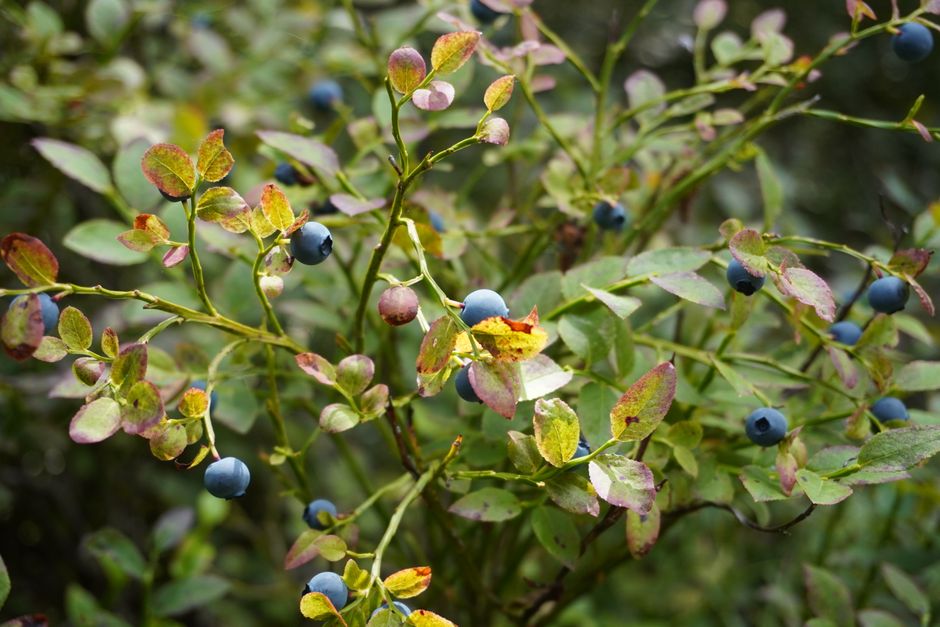
A berry is not what most people think it is. Botanically speaking, a berry is a fleshy fruit that develops from a single flower’s ovary and contains seeds embedded throughout its flesh. By that definition, a banana is a berry, a tomato is a berry, and a strawberry is not. That gap between everyday language and botanical classification is where the real story begins.
This matters for more than trivia. The foods we call berries — blueberries, raspberries, strawberries, blackberries — are nutritional powerhouses studied for their effects on heart health, inflammation, and blood sugar. Understanding what they actually are, what they contain, and what the research genuinely supports helps you make better decisions at the grocery store.
Why Are Strawberries and Raspberries Not True Berries?
Strawberries and raspberries are aggregate fruits, not berries. They form from a single flower that contains multiple ovaries, each of which develops into a tiny individual fruitlet. What you eat as one “berry” is actually a cluster of many small fruits fused together.
The strawberry is stranger still. The fleshy red part is not fruit tissue at all — it is the swollen receptacle, the base of the flower. The actual fruits are the tiny seed-like specks on the surface. Each speck is a dry, one-seeded fruit called an achene. A strawberry is essentially a fleshy platform holding dozens of tiny true fruits.
Raspberries and blackberries follow a similar pattern. Each bump on a raspberry is a drupelet — a miniature stone fruit with its own skin, flesh, and seed. When you pick a raspberry, it slides off the receptacle, leaving a hollow center. That hollow core is the telltale sign you are holding an aggregate fruit, not a berry.
Botanists classify fruits by how they develop from flower tissue. A true berry develops from a single ovary. An aggregate fruit develops from multiple ovaries in one flower. A multiple fruit, like a pineapple, develops from many flowers fused together. These categories are consistent and based on anatomy, not on what tastes sweet or looks like a berry.
Which Fruits Are Botanically True Berries?
The list surprises most people. True berries include bananas, tomatoes, grapes, avocados, peppers, eggplants, persimmons, kiwis, and blueberries. Cranberries and lingonberries also qualify.
Watermelons and pumpkins are modified berries called pepos — they have a hard outer rind instead of soft skin, but the internal structure still fits the berry definition. Citrus fruits like oranges and lemons are a special type called hesperidiums, with a leathery rind and juicy segments. They are technically berries too.
What disqualifies a fruit from being a berry? A few things:
- The fruit develops from multiple ovaries in one flower (aggregate fruits like raspberries)
- The fruit develops from many separate flowers (multiple fruits like pineapples and figs)
- The fruit has a hard shell or pit surrounding the seed (nuts and drupes like peaches and cherries)
- The fruit develops from parts of the flower other than the ovary (accessory fruits like apples and pears)
This is not a matter of opinion. It is plant anatomy. The confusion exists because English adopted “berry” as a culinary term long before botany standardized the definition. In everyday speech, a berry is any small, soft, sweet fruit. In botany, it is a specific structural category.
What Is the Nutritional Profile of Common Berries?
The berries people actually eat — blueberries, strawberries, raspberries, blackberries — share a similar nutritional pattern. They are high in water, low in calories, moderate in fiber, and rich in vitamin C and plant pigments called polyphenols.
Here is how four common berries compare per 100 grams (about three-quarters of a cup) using USDA data:
| Berry | Calories | Fiber | Vitamin C | Notable Compounds |
|---|---|---|---|---|
| Strawberries | 32 | 2.0 g | 58.8 mg | Ellagic acid, anthocyanins |
| Blueberries | 57 | 2.4 g | 9.7 mg | Anthocyanins, pterostilbene |
| Raspberries | 52 | 6.5 g | 26.2 mg | Ellagitannins, anthocyanins |
| Blackberries | 43 | 5.3 g | 21.0 mg | Ellagitannins, anthocyanins |
Strawberries lead in vitamin C by a wide margin. Raspberries and blackberries lead in fiber. Blueberries are lower in both but contain a distinct class of compounds called pterostilbenes, which have drawn research interest for their potential role in cellular aging — though human evidence remains early.
The deep red, purple, and blue colors come from anthocyanins, a family of polyphenols. These pigments act as antioxidants in the laboratory. Whether they produce meaningful antioxidant effects inside the human body is a more complicated question. Much of the anthocyanin content is metabolized by gut bacteria before absorption, and what enters the bloodstream is present at much lower concentrations than what was eaten.




Do Berry Polyphenols Actually Improve Health?
Observational studies consistently link higher berry intake with lower rates of cardiovascular disease. A large body of research following people over years has found that those who eat more berries tend to have better heart health outcomes. But observational data cannot prove that berries cause the improvement. People who eat berries regularly may also exercise more, smoke less, or eat more vegetables overall.
Randomized controlled trials — the gold standard for establishing cause and effect — have produced mixed results. Some show modest improvements in LDL cholesterol, blood pressure, or markers of inflammation. Others show no significant effect. The effects, when present, tend to be small.
A few areas show more consistent findings:
- Blood sugar: Berries have a low glycemic index, meaning they raise blood sugar slowly compared to many other fruits. This is well established and relevant for people managing type 2 diabetes.
- Urinary tract health: Cranberries contain proanthocyanidins that may help prevent bacteria from sticking to the urinary tract lining. Clinical evidence is strongest for women with recurrent urinary tract infections, though even here results vary by product and dose.
- Vascular function: Some short-term trials have found that berry consumption improves endothelial function — the ability of blood vessels to widen and contract properly. These effects are typically measured within hours of eating and may not persist with long-term consumption.
What about cancer prevention? Laboratory studies show that berry extracts can slow cancer cell growth in petri dishes. Human evidence is far weaker. No clinical trial has demonstrated that eating berries prevents cancer in people. The American Institute for Cancer Research recommends a diet rich in plant foods including berries as part of an overall cancer-prevention pattern, but this is based on the total dietary pattern rather than berries alone.
What About Acai, Goji, and Other “Superfood” Berries?
Acai, goji, maqui, and other exotic berries are marketed heavily as superfoods. They do contain polyphenols and anthocyanins. So do blueberries and blackberries, which are far cheaper and more widely studied.
Here is the honest position: no large human trial has shown that any exotic berry produces health outcomes superior to common berries. Some have higher antioxidant capacity in lab tests, but lab antioxidant capacity does not reliably predict health effects in humans. The marketing claims for these products consistently outrun the evidence.
Acai bowls are a good example. The berry itself is nutritious, but acai bowls often contain more sugar from added granola, honey, and fruit than the berry provides benefit. A bowl can easily exceed 500 calories and 40 grams of sugar. That does not make it unhealthy in every context, but it is not the health food the marketing implies.
Goji berries have been studied for immune function and eye health, mostly in small trials or in combination with other ingredients. The evidence is not strong enough to recommend them over conventional berries. If you enjoy them and can afford them, there is no harm. If you are choosing based on health benefit per dollar, blueberries, strawberries, and blackberries are the better bet.
How Should You Store and Eat Berries to Get the Most From Them?
Berries are perishable. Their thin skins and high water content make them vulnerable to mold and spoilage. How you store them affects how long they last and how many nutrients they retain.
Do not wash berries until you are ready to eat them. Moisture on the surface speeds mold growth. Keep them dry in the refrigerator, ideally in a container lined with a paper towel to absorb excess moisture. Strawberries last two to three days this way. Blueberries and raspberries may last up to a week if they were fresh when purchased.
Frozen berries are nutritionally comparable to fresh. In some cases they may retain more vitamin C, because they are frozen shortly after harvest while fresh berries may spend days in transit. Frozen berries are also cheaper year-round and work well in smoothies, oatmeal, and baked goods.
Cooking berries reduces vitamin C content, since the vitamin is heat-sensitive. Anthocyanin content also drops with prolonged heat. But cooked berries still provide fiber and some polyphenols. If you are adding berries to pancakes or muffins, you are still getting nutritional value — just less vitamin C than from raw berries.
One practical note: dried berries are concentrated in sugar and calories. A quarter-cup of dried cranberries or raisins contains far more sugar than the same volume of fresh fruit. If you eat dried berries, portion size matters more than it does with fresh.
Are There Any Risks or Downsides to Eating Berries?
For most people, berries are safe and well tolerated. Allergic reactions are uncommon but possible, particularly with strawberries in people who have birch pollen allergies. The proteins in some berries cross-react with pollen allergens and can cause itching or tingling in the mouth.
Berries are among the foods most likely to carry pesticide residues when conventionally grown. The Environmental Working Group consistently lists strawberries and blueberries among produce with higher residue levels. Whether these residues pose a health risk at typical exposure levels is debated among scientists. Washing berries under running water reduces residues but does not eliminate them. If this concerns you, organic berries are an option, though they cost more and are not necessarily more nutritious.
People taking blood-thinning medications like warfarin should be aware that cranberries and cranberry juice may interact with the drug. Some case reports suggest cranberry can increase the blood-thinning effect. If you take warfarin and consume cranberry products regularly, talk to your doctor. This interaction is not well studied and the evidence comes mainly from individual case reports rather than controlled trials.
For everyone else, the main downside of berries is cost. Fresh berries are among the more expensive items in the produce section. Frozen berries and store-brand options bring the price down considerably without sacrificing nutrition.
Frequently Asked Questions
Is a banana really a berry?
Yes. Botanically, a banana is a berry because it develops from a single ovary and contains seeds embedded in its flesh. The tiny black specks inside a banana are the remnants of those seeds.
Are blueberries healthier than strawberries?
Neither is clearly healthier overall. Strawberries are much higher in vitamin C, while blueberries contain different polyphenols that have been studied for other potential benefits. Both are nutritious, and eating a variety is better than choosing one.
Do frozen berries have the same nutrition as fresh?
Yes, frozen berries are nutritionally comparable to fresh and may retain more vitamin C because they are frozen soon after harvest. The main difference is texture, which matters for eating raw but not for smoothies or cooking.
Can eating berries help prevent cancer?
No clinical trial has shown that eating berries prevents cancer in humans. Lab studies show berry extracts can affect cancer cells, but this has not translated into proven prevention in people. A diet rich in plant foods is associated with lower cancer risk overall.
