
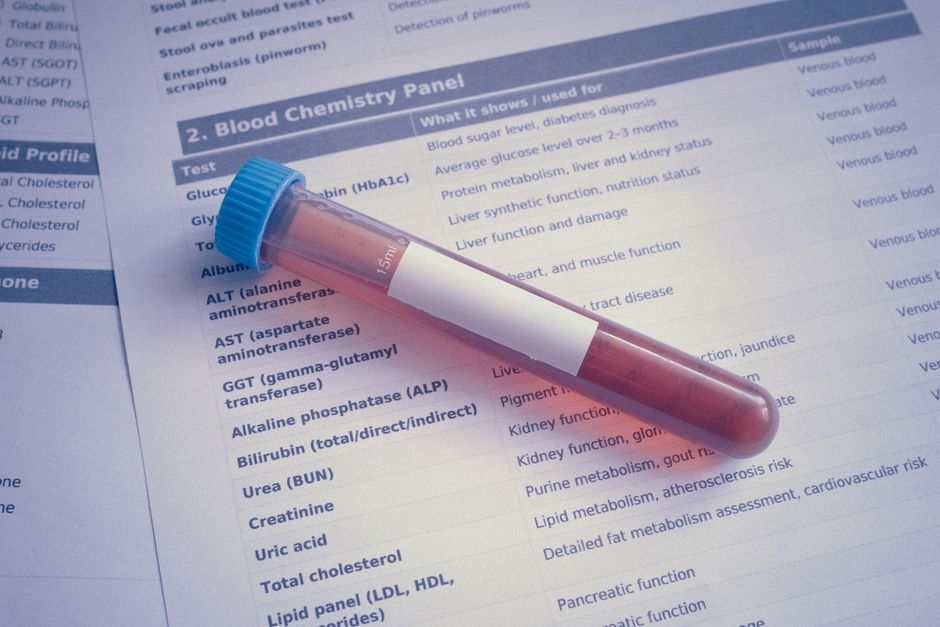
A basic blood panel is a set of blood tests that gives a snapshot of your general health. The most common version, often called a complete blood count (CBC) or a basic metabolic panel (BMP), measures things like red and white blood cells, blood sugar, kidney function, and electrolyte levels. Doctors use it to screen for problems, monitor ongoing conditions, and check how well treatments are working.
If you have ever stared at a lab report full of abbreviations and numbers, you are not alone. This guide explains what each part of a basic blood panel measures, what the results can and cannot tell you, and why one abnormal number rarely means anything on its own.
What Is A Basic Blood Panel?
A basic blood panel is a group of laboratory tests run on a single blood sample, usually drawn from a vein in your arm. The term is not standardized. Depending on the lab and the doctor, “basic blood panel” might mean a complete blood count, a basic metabolic panel, a lipid panel, or some combination of these.
The two most common components are the complete blood count (CBC) and the basic metabolic panel (BMP). A CBC counts and describes your blood cells. A BMP measures chemicals in your blood that reflect kidney function, blood sugar, and the balance of electrolytes like sodium and potassium.
Some clinicians order a broader set that includes liver enzymes, thyroid function, and cholesterol. There is no single official definition of a “basic panel,” so the exact tests vary. Ask your doctor which tests are included in yours.
What Does A Complete Blood Count Measure?
A complete blood count measures the cells circulating in your blood. It is one of the most frequently ordered blood tests in medicine and is used to screen for a wide range of conditions, from anemia to infection.
The CBC reports several values:
- Red blood cells (RBC): Cells that carry oxygen. Low counts can suggest anemia.
- Hemoglobin: The protein in red blood cells that carries oxygen. Hemoglobin is often the most direct indicator of anemia.
- Hematocrit: The percentage of your blood made up of red blood cells.
- White blood cells (WBC): Part of your immune system. Counts can rise with infection or inflammation and fall with certain medications or conditions.
- Platelets: Cell fragments involved in clotting.
- MCV, MCH, MCHC: Measures of the size and hemoglobin content of red blood cells, which help classify different types of anemia.
The CBC also includes a “differential,” which breaks down white blood cells into subtypes like neutrophils and lymphocytes. The pattern of these subtypes can offer clues about whether an infection is bacterial or viral, though it is rarely enough to diagnose on its own.
What Does A Basic Metabolic Panel Measure?
A basic metabolic panel measures eight substances in your blood that reflect how your body manages fluid, electrolytes, and energy. It is commonly used to check kidney function and blood sugar.
The BMP typically includes:
- Glucose: Blood sugar. A fasting glucose between 70 and 99 mg/dL is generally considered normal. Values between 100 and 125 mg/dL fall into the prediabetes range, and 126 mg/dL or higher on repeat testing suggests diabetes.
- Sodium, potassium, chloride, and bicarbonate: Electrolytes that help regulate nerve and muscle function and the body’s acid-base balance.
- Blood urea nitrogen (BUN) and creatinine: Waste products filtered by the kidneys. Rising levels can indicate reduced kidney function.
- Calcium: Important for muscle, nerve, and bone function.
These values are tightly regulated by your body, so even small changes can be meaningful. But they are also affected by hydration, recent meals, and medications. A single out-of-range result is often not a cause for concern on its own.
What Is A Lipid Panel And Is It Part Of A Basic Panel?
A lipid panel measures cholesterol and triglycerides. It is often ordered alongside or as part of a broader blood panel, but it is technically a separate test from a CBC or BMP.
A standard lipid panel reports:
- Total cholesterol
- LDL cholesterol — often called “bad” cholesterol
- HDL cholesterol — often called “good” cholesterol
- Triglycerides
Whether a lipid panel is included in your “basic” blood work depends on your age, risk factors, and your doctor’s approach. Many clinicians order it as part of routine screening for adults, but the specific recommendations vary by organization and have been updated over time.
Why Do Doctors Order Blood Panels?
Doctors order blood panels for three main reasons: to screen for problems before symptoms appear, to monitor a known condition, and to investigate symptoms that could have many causes.
Screening is common during annual physicals, before surgery, and when starting certain medications. Monitoring is routine for people with diabetes, kidney disease, thyroid conditions, or those taking drugs that affect blood counts or electrolytes.
Blood panels are also used diagnostically. Fatigue, unexplained weight loss, fever, or bruising can all prompt a CBC or BMP to help narrow down what is going on. The results rarely provide a diagnosis alone, but they often point toward or away from certain possibilities.
What Do Abnormal Results Mean?
An abnormal result means one value fell outside the reference range for that lab. It does not automatically mean something is wrong. Reference ranges are typically set so that roughly 95% of healthy people fall within them, which means about 5% of healthy people will fall outside on any given test.
When a single value is slightly off, the most common explanations are things like dehydration, recent illness, stress, or a lab variation. Doctors usually interpret results in context — your symptoms, your history, your medications, and trends over time.
Some abnormalities do warrant attention. A significantly low hemoglobin, a rising creatinine, or a fasting glucose well above the normal range are examples of results that typically prompt further evaluation. Your doctor is the right person to interpret your specific numbers.
How Should You Prepare For A Blood Panel?
Preparation depends on which tests are ordered. Some, like a fasting glucose or lipid panel, require you to avoid food for a set period before the draw. Others, like a CBC, do not require fasting.
Follow the instructions your doctor or lab gives you. If you are unsure whether to fast, call and ask. Drinking water is usually fine and can make the draw easier.
Tell the lab about any medications or supplements you take. Some drugs affect blood counts, electrolytes, or cholesterol values, and your doctor needs that context to interpret the results accurately.
What A Blood Panel Cannot Tell You
A blood panel is a snapshot, not a full picture. It cannot detect every disease, and normal results do not rule out illness. Many conditions — including some cancers, early infections, and certain autoimmune diseases — can produce normal basic blood work.
It is also a common misconception that a “normal” panel means everything is fine. A blood panel checks a specific set of markers. It does not assess your diet, your mental health, your heart rhythm, or your risk of most chronic diseases on its own.
Blood tests are one tool among many. They work best when combined with a physical exam, your medical history, and a conversation with your doctor about what you are experiencing.
Frequently Asked Questions
What is included in a basic blood panel?
A basic blood panel usually includes a complete blood count (CBC) and a basic metabolic panel (BMP). The exact tests vary by lab and doctor, so ask which ones are included in yours.
Do you need to fast for a basic blood panel?
It depends on which tests are ordered. A CBC does not require fasting, but glucose and lipid tests often do. Follow the instructions from your doctor or lab.
How long does it take to get blood panel results?
Most routine results are available within a day or two, though some tests take longer. Your doctor’s office will tell you when to expect them.
Can a basic blood panel detect cancer?
A basic blood panel cannot detect most cancers. It may show abnormalities that prompt further testing, but it is not a cancer screening tool on its own.
