
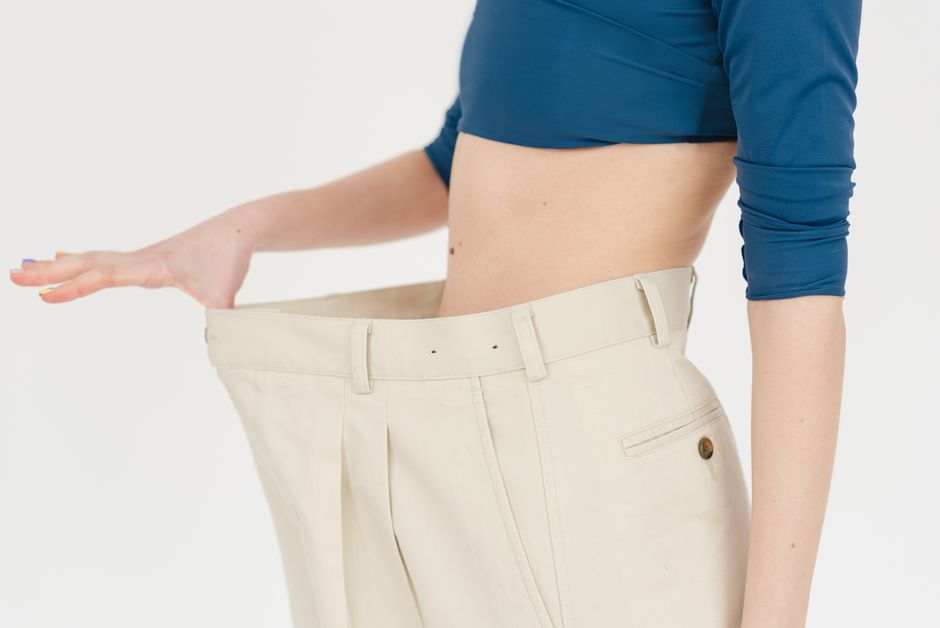
An A B belly is a shape where fat collects in two separate bands around the midsection, leaving a visible crease or indentation across the middle. The upper band sits above the navel and the lower band sits below it, so the profile looks a little like the letters A and B stacked on top of each other. It is not a medical condition and not a sign that something is wrong with you. It is a pattern of fat storage and skin folding that depends on genetics, hormones, body fat levels, and how the tissue in your abdomen is built.
The name is descriptive, not diagnostic. You will not find “A B belly” in a medical textbook. What you will find is a well-understood set of reasons why fat lands where it does and why the abdomen can crease in the middle. Here is what actually drives the shape, and what does not.
What Is A B Belly Causes Shape And Fat Explained?
The shape comes down to two things working together: where fat is stored and how the skin and connective tissue fold over it.
Fat does not deposit evenly. In many people, the layer of fat under the skin of the abdomen is thicker in some zones than others. When the upper abdomen and lower abdomen both carry fat but the area around the navel carries less, the skin dips inward at that thinner band. That dip is the crease. The two bulges above and below it create the A and B look.
There is a second contributor that gets overlooked. The abdomen is not a smooth balloon. A band of connective tissue called the linea alba runs vertically down the center, and the navel itself is a point where skin is tethered to the tissue underneath. Those anchor points pull the surface inward. On a belly with enough underlying fat, those tethers show up as creases rather than being hidden.
So the honest summary: an A B belly is a fat distribution pattern meeting the anatomy of your abdominal wall. It is not a separate type of fat, and it is not a warning sign on its own.
Is an A B Belly the Same as Visceral Fat?
No. This is one of the most common points of confusion, and it matters for health.
Visceral fat is the fat packed around your internal organs, deep inside the abdomen. Subcutaneous fat is the fat you can pinch, sitting just under the skin. An A B belly shape is created by subcutaneous fat and skin folding. You cannot see visceral fat from the outside, and you cannot tell how much someone has by looking at the shape of their belly.
That distinction is not cosmetic. Visceral fat is the type more strongly linked to metabolic problems such as insulin resistance and cardiovascular risk. Subcutaneous abdominal fat is far less strongly associated with those outcomes. A person with a pronounced A B shape may have modest visceral fat. A person with a rounder, firmer belly may have more. The mirror is a poor measuring tool for the fat that matters most.
Waist circumference is a more useful number than shape, because it tracks total abdominal fat rather than surface contour. For adults, a waist above 40 inches in men and above 35 inches in women is the commonly used threshold for elevated health risk. These cutoffs come from established clinical guidance and are used as screening markers, not diagnoses.
What Causes the Crease Across the Middle?
The crease forms where skin is pulled inward by fixed points and where fat is thinner.
- The navel. Skin here is attached to underlying tissue. It does not slide freely, so it dents when surrounding tissue swells.
- The linea alba. This vertical seam of connective tissue down the center of the abdomen acts like a tether along its length.
- Uneven fat thickness. Fat layers are rarely uniform. A thinner band across the middle produces a fold.
- Skin laxity. Skin that has stretched and lost some elasticity folds more readily. This is common after pregnancy or significant weight change.
- Posture and clothing. Sustained pressure from waistbands and habitual slouching can deepen existing creases over time, though they are not the root cause.
Notice that none of these are “bad habits.” The crease is largely structural. That is why people with similar body fat levels can have very different belly shapes.
Why Do Some People Get This Shape and Others Don’t?
Genetics is the biggest single factor in where your body stores fat. Fat distribution patterns run in families and differ by sex. This is well established and not really debated.
Hormones shape the pattern too. Estrogen tends to favor fat storage in the hips, thighs, and lower abdomen. Testosterone tends to favor the upper abdomen and flanks. Changes across life stages, including menopause, shift where fat settles. After menopause, fat often redistributes toward the middle. That is a documented hormonal effect, not a personal failing.
Age plays a role through skin changes. Collagen and elastin decline gradually, so skin holds its shape less tightly. The same amount of fat can look smoother at 30 and more folded at 55.
Pregnancy and major weight loss change the skin and connective tissue of the abdomen directly. The tissue stretches, and it does not always return to its previous tension. The result is more folding at the same body weight.
What does not cause the shape: “toxins,” poor detox, or a sluggish metabolism in the way those terms are used in marketing. No clinical evidence supports those explanations.
Can You Change an A B Belly?
You can change the amount of fat, and that often reduces the shape. You cannot change your genetics or the anchor points of your abdominal wall.
Losing overall body fat is the only reliable way to shrink abdominal fat, and it works the same way for this shape as any other. There is no exercise that spot-reduces fat from the upper or lower band specifically. Spot reduction is a persistent myth. Crunches strengthen abdominal muscles, but they do not burn the fat sitting over them. The muscle grows underneath while the fat layer stays.
Strength training and adequate protein help preserve muscle while fat comes down, which affects how the midsection looks. Cardiovascular exercise contributes to overall energy expenditure. Neither targets the crease directly.
For skin laxity and deep folds that persist after fat loss, some clinicians offer procedures such as skin tightening or, in more significant cases, surgery. These are medical interventions with real risks, costs, and variable results. They are not first-line, and outcomes differ from person to person. Anyone considering them should discuss realistic expectations with a qualified clinician rather than a marketing page.
What does not work: waist trainers, creams marketed for “belly fat,” detox teas, and vibration belts. No clinical evidence confirms these change fat distribution or skin structure.
When Should a Belly Shape Prompt a Doctor Visit?
Shape alone is not a reason to worry. Certain changes are.
See a clinician if you notice a rapid increase in abdominal size over a short period, a hard or firm belly, pain, or a belly that is disproportionately large compared with the rest of your body. These can have causes unrelated to fat, and they need evaluation.
Also worth a conversation: a waist measurement above the thresholds noted earlier, or a cluster of features such as high blood pressure, elevated fasting glucose, or abnormal cholesterol. Those point toward metabolic risk that deserves proper assessment, not a shape label.
For most people, an A B belly is a cosmetic pattern with no health meaning beyond the general health signals that apply to body fat anywhere. It is worth knowing your waist measurement and your metabolic numbers. It is not worth losing sleep over a crease.
Frequently Asked Questions
What does an A B belly look like?
It has two bulges, one above and one below the navel, separated by a visible crease across the middle. The outline resembles the letters A and B stacked together.
Is an A B belly caused by visceral fat?
No, the visible shape comes from subcutaneous fat and the way skin folds over it. Visceral fat sits deep around the organs and cannot be seen from the outside.
Can exercise get rid of an A B belly?
No exercise targets fat in specific spots, including the abdomen. Overall fat loss through diet and activity can reduce the shape, but it does not change your fat distribution pattern.
Does an A B belly mean I am unhealthy?
Not by itself, because the shape is largely genetic and structural. Health risk is better judged by waist circumference and metabolic markers than by belly contour.
