
Collagen is the main structural protein in your skin, and its decline is a normal part of aging. According to science, the most reliable ways to increase collagen in skin are protecting the collagen you already have and supporting your body’s natural production through specific nutrients and lifestyle habits. Sun protection, vitamin C, and certain amino acids are the most evidence-backed factors, while many popular “collagen-boosting” products are not supported by solid research.
What Increases Collagen In Skin According To Science?
Science points to a few clear answers. Protecting existing collagen from breakdown is the most effective strategy. UV radiation from the sun is the single biggest cause of collagen damage, so daily sunscreen use is the most proven way to preserve it. Beyond protection, your body needs specific building blocks to make new collagen: vitamin C, copper, and the amino acids proline and glycine. These are found in a normal diet rich in protein, fruits, and vegetables.
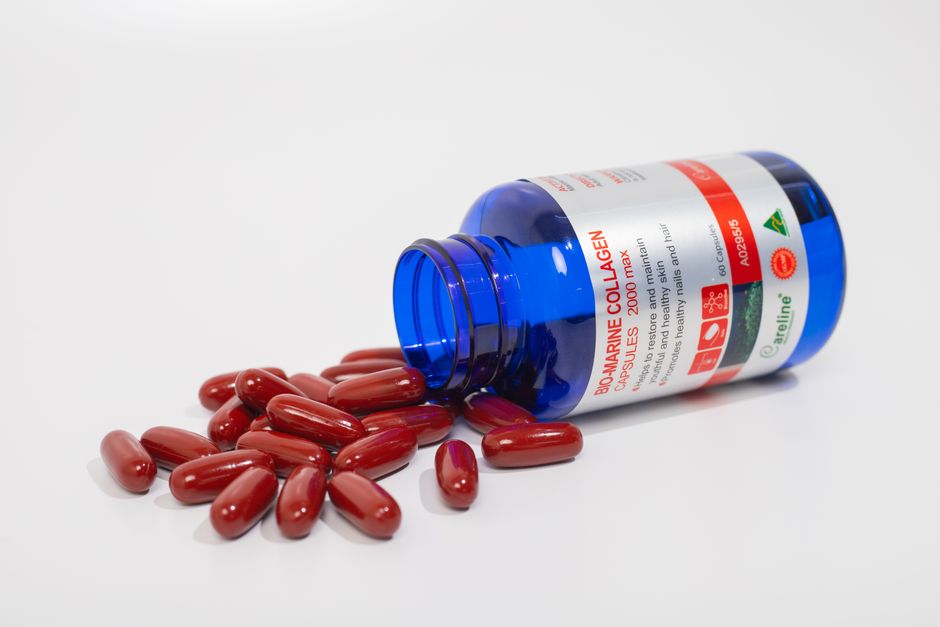
Oral collagen supplements are a separate question. Some studies suggest they may help, but the evidence is not as strong as the evidence for sun protection and diet. The research is promising but not conclusive, and results vary widely between products and people.
How Does Collagen Change As Skin Ages?
Collagen is produced by cells called fibroblasts. These cells sit in the dermis, the middle layer of your skin, and continuously build and break down collagen. In young skin, the balance tips toward production. The collagen fibers are organized in a tight, supportive network that gives skin its firmness and bounce.
Starting in your mid-20s, that balance shifts. Your body begins producing less collagen each year, and the collagen you do make becomes thinner and less organized. The fibers lose their structure and become more fragmented. This is a natural biological process, not a disease. By your 40s and 50s, the visible effects — fine lines, sagging, and thinning skin — become more noticeable to most people.
This decline is driven by several factors. Intrinsic aging is the genetic, chronological process that happens to everyone. Extrinsic aging is the additional damage from outside sources, primarily sun exposure, but also pollution and smoking. Extrinsic aging is the part you have the most control over.
Why Sun Protection Is The Most Proven Collagen Strategy
UV radiation does not just cause sunburn. It penetrates deep into the dermis and generates reactive oxygen species — unstable molecules that damage collagen fibers directly. UV exposure also triggers enzymes called matrix metalloproteinases, or MMPs. These enzymes are designed to break down old collagen as part of normal skin remodeling. UV exposure causes them to go into overdrive, destroying collagen faster than your body can rebuild it.
This process is sometimes called photoaging. It is responsible for the majority of visible skin aging, not the passage of time alone. Studies consistently show that people with high lifetime sun exposure have significantly more collagen damage than people with similar genetics who avoid the sun.
Daily broad-spectrum sunscreen with SPF 30 or higher is the most evidence-backed way to protect skin collagen. Sunscreen prevents the UV rays from reaching the dermis in the first place, which stops the cascade of collagen destruction before it starts. No topical product or supplement has demonstrated the same level of protective effect.
Other lifestyle factors also accelerate collagen breakdown. Smoking reduces blood flow to the skin and introduces chemicals that damage collagen. High sugar intake can lead to a process called glycation, where sugar molecules attach to collagen fibers and make them stiff and brittle. These are modifiable factors, and reducing them supports collagen preservation.





Which Nutrients Does Your Body Actually Need To Make Collagen?
Your body does not absorb collagen from food and transport it directly to your skin. Instead, it builds collagen from raw materials. The most important of these is vitamin C. This vitamin is a required cofactor for two enzymes that stabilize and cross-link collagen molecules. Without adequate vitamin C, your body cannot produce functional collagen at all. This is why severe vitamin C deficiency causes scurvy, a disease characterized by skin breakdown and poor wound healing.
Vitamin C is water-soluble, which means your body does not store it. You need a regular dietary supply. Good sources include citrus fruits, strawberries, bell peppers, broccoli, and kiwi. Most adults can meet their needs through a normal diet, and supplementation is not necessary for most people.
The other key ingredients are amino acids, specifically proline and glycine. These are the two most abundant amino acids in collagen. They are found in any complete protein source — meat, fish, eggs, dairy, beans, and soy. Eating enough total protein ensures your body has the building blocks available when it needs to make collagen.
Copper is another trace mineral involved in collagen cross-linking. It is needed in very small amounts and is found in nuts, seeds, shellfish, and organ meats. Copper deficiency is rare in healthy adults eating a varied diet.
A balanced diet that includes adequate protein, vitamin C, and a variety of whole foods provides everything your body needs for collagen synthesis. There is no evidence that megadoses of any single nutrient increase collagen production beyond what a normal diet supports.
Do Collagen Supplements Actually Work?
Collagen supplements are a multi-billion-dollar industry, and the marketing often outpaces the science. The idea behind them is that hydrolyzed collagen — collagen broken down into small peptides — can be absorbed and used by the body to make new collagen. Some research does support this concept, but the evidence is not as strong as the supplement industry suggests.
Several small studies have found that oral collagen peptides may improve skin elasticity and hydration over 8 to 12 weeks. These studies are real, but they have significant limitations. Many are funded by supplement manufacturers, involve small numbers of participants, and measure changes that may not be visible to the naked eye. The studies do not consistently show that collagen supplements increase collagen density in the skin directly.
Some research suggests that collagen peptides may work by stimulating fibroblasts to produce more collagen, rather than by providing building blocks directly. This is a plausible mechanism, but it has not been confirmed in large, independent human trials. The evidence is best described as preliminary and promising, not conclusive.
If you choose to take a collagen supplement, it is generally considered safe for most adults. Reported side effects are rare and mild. But it is important to understand what the evidence does and does not show. No study has confirmed that collagen supplements restore skin to a younger state or reverse visible aging. They may offer modest benefits for some people, but they are not a substitute for sun protection or a healthy diet.
Are Topical Collagen Creams Effective?
Topical creams that contain collagen are mostly ineffective. The collagen molecules in these products are too large to penetrate the outer layer of skin, the epidermis. They sit on the surface and act as a moisturizer at best. They do not reach the dermis where new collagen is made.
Some topical products do stimulate collagen production, but not because they contain collagen. Retinoids — vitamin A derivatives like retinol and tretinoin — are the most well-studied topical ingredients for collagen support. They work by increasing fibroblast activity and promoting collagen production in the dermis. Prescription-strength tretinoin has the strongest evidence, while over-the-counter retinol is less potent but still effective.
Vitamin C serums are another topical option with some evidence. Applied directly to the skin, vitamin C can act as an antioxidant and support collagen synthesis. The evidence for topical vitamin C is moderate, and it is most effective when used alongside sun protection.
Peptide creams are marketed heavily for collagen support. The idea is that small peptides in the cream can signal skin cells to produce more collagen. There is some limited evidence for this, but it is far weaker than the evidence for retinoids or sun protection. Peptide creams are not harmful, but they should not be expected to produce dramatic results.
Lifestyle Factors That Support Collagen Over Time
Sleep and stress management play a role in collagen health, though the evidence is less direct. Cortisol, the stress hormone, can increase inflammation in the body, and chronic inflammation accelerates collagen breakdown. Poor sleep has been linked to signs of accelerated skin aging in observational studies. The mechanisms are biologically plausible, but large controlled trials are lacking.
Exercise may also support collagen, particularly in tendons and bones, where collagen is abundant. Whether exercise specifically increases skin collagen is less clear. Some research suggests that regular physical activity improves skin appearance, but the direct effect on collagen production is not well established.
Hydration is often mentioned in the context of skin health. Water does not directly increase collagen production, but well-hydrated skin appears plumper and more elastic. Dehydrated skin looks duller and more wrinkled. Drinking enough water supports overall skin function, but it is not a collagen-boosting strategy in the way that sun protection or vitamin C is.
What The Evidence Does Not Support
Several popular “collagen-boosting” claims have little or no scientific backing. Bone broth is a good source of collagen-derived amino acids, but there is no evidence that drinking it increases skin collagen more than eating other protein sources. The amino acids are broken down in digestion just like protein from any other food.
“Collagen-boosting” drinks and powders that contain added vitamins and botanicals are mostly marketing. The added ingredients are not proven to enhance collagen synthesis beyond what a normal diet provides. Some products contain plant extracts that are claimed to stimulate collagen, but clinical evidence for these is minimal.
LED light therapy and other devices are marketed for collagen stimulation. Some small studies suggest that red light therapy may increase collagen production, but the evidence is not strong enough to make firm recommendations. These devices are not harmful, but they are not proven to be effective for everyone.
It is also worth noting that no food, supplement, or cream can stop the natural age-related decline in collagen production. This is a biological process that happens to everyone. The goal of any collagen strategy is to slow the decline and support the collagen you have, not to reverse the aging process entirely.
Frequently Asked Questions
How long does it take to see results from collagen supplements?
Most studies that report benefits measure results after 8 to 12 weeks of daily use. The evidence is preliminary, and not everyone experiences visible changes.
Can you increase collagen after 50?
Your body continues to produce collagen throughout life, though at a slower rate. Sun protection and adequate protein and vitamin C intake remain the most evidence-backed ways to support collagen at any age.
Is bone broth better than collagen supplements?
No evidence shows that bone broth is more effective than other protein sources for skin collagen. Its collagen content is broken down during digestion into the same amino acids found in any protein-rich food.
Does drinking water increase collagen?
Water does not directly increase collagen production. It does improve skin hydration and appearance, but it does not change the amount of collagen in your skin.
