
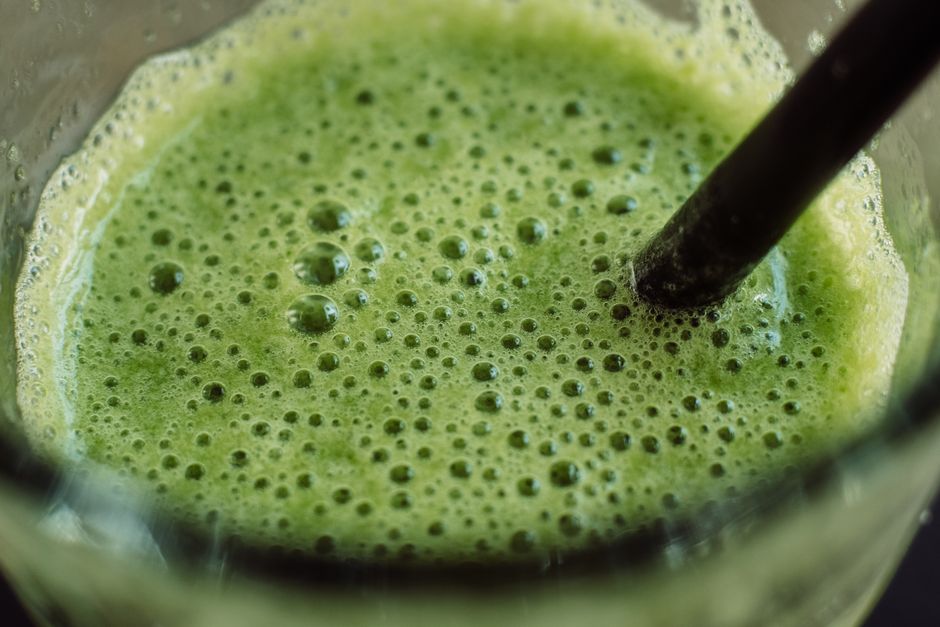
If you notice green poop, you might feel concerned. But in most cases, it is harmless. Green stool is often caused by eating green vegetables, food coloring, or from bile passing through your digestive system too quickly. A single episode of green poop is rarely a medical emergency.
What Causes Green Poop?
Green stool usually comes from what you eat or from how fast waste moves through your intestines. Common dietary causes include leafy greens like spinach and kale, green foods with artificial coloring (green frosting, sports drinks, gelatin), and foods rich in chlorophyll such as wheatgrass or spirulina.
Iron supplements and certain medications can also turn stool green. Antibiotics may change the bacteria in your gut, which affects bile processing and can lead to green poop. Some people notice green stool after taking bismuth subsalicylate (Pepto-Bismol) or laxatives. In most cases, the color returns to normal once you stop the triggering food or supplement.
How Does Bile Make Stool Green?
Bile is a digestive fluid made by your liver and stored in your gallbladder. It is naturally greenish-yellow. Bile helps your body digest fats. As bile moves through the small intestine and into the colon, bacteria normally turn it from green to brown over time.
If your stool moves through the colon too quickly, the bile does not have enough time to change color. This happens often with diarrhea. When you have a stomach bug or food poisoning, the rapid transit leaves you with greenish stool. This is not dangerous. It simply means your digestive system is working faster than usual.
In cases of chronic diarrhea or irritable bowel syndrome, green stool can appear repeatedly. Short-term green stool from rapid transit is common and resolves when your bowel movements return to normal speed.
When Should You Worry About Green Poop?
Green poop alone is rarely a reason to call a doctor. But if it comes with other symptoms, you should pay attention. See a healthcare provider if your green stool lasts more than a few days and you also have abdominal pain, fever, blood in your stool, or unintentional weight loss.
Green poop that is very watery and happens many times a day with signs of dehydration — like dry mouth, dark urine, or dizziness — may require medical attention. These symptoms are not from the green color itself. They point to an underlying problem like infection or inflammation that needs evaluation.
One clear red flag is green stool with visible mucus or blood. That combination can suggest inflammation in the intestines, such as from Crohn’s disease, ulcerative colitis, or a bacterial infection. In such cases, a stool sample or colonoscopy may be needed. However, green stool alone does not suggest these conditions.
No clinical guidelines currently exist for green stool as an isolated symptom. Doctors generally focus on the overall pattern of bowel habits and accompanying symptoms.




Can Green Poop Be a Sign of Infection?
Yes, some infections can cause green stool, but green stool is not a reliable sign of a specific infection. Viral or bacterial infections that cause diarrhea speed up gut transit, leading to greenish diarrhea. Common culprits include norovirus, rotavirus, and some strains of Escherichia coli (E. coli).
If you have green diarrhea along with vomiting, fever, or stomach cramps that last more than two days, it may be worth checking with your doctor. A stool culture can identify the specific bacteria or virus. However, most cases of green diarrhea from infection resolve on their own with rest and fluids.
The evidence is clear: green stool alone does not confirm or rule out an infection. Many people with infections have normal-colored stool, and many people with green stool have no infection at all. So do not assume green poop means you are sick. Use the full picture of your symptoms to decide.
What About Green Poop in Babies and Children?
Green poop is very common in newborns and infants. In the first few days of life, babies pass meconium — a dark greenish-black stool made of amniotic fluid, mucus, and skin cells. That is completely normal and expected.
Breastfed babies sometimes have green stool if their mother eats green vegetables or food coloring. Formula-fed babies can also have green stool, especially with iron-fortified formulas. In toddlers, bright green poop often comes from green snacks, drinks, or fruit yogurt.
For children, the same rules apply as for adults: if your child has green stool without other symptoms, it is usually not a concern. Call your pediatrician if the green stool is watery and lasts more than a day or two, if there is blood or mucus, or if your child shows signs of dehydration (fewer wet diapers, crying without tears, dry mouth).
Do Green Stool Myths Exist?
Yes. One common myth is that green poop always means your body is detoxifying. There is no clinical evidence that green stool indicates detoxification. The color usually comes from food, medicine, or bile speed — not from toxins leaving your body.
Another myth is that green poop signals liver or gallbladder disease. While liver and gallbladder problems can change stool color, they usually make it pale, clay-colored, or yellow, not green. Stool that is light or gray often points to a blocked bile duct. Green stool does not suggest that problem.
Some websites claim that green poop means you have a parasitic infection. No large human trials have confirmed this. Parasites can cause diarrhea, which may appear green because of rapid transit, but the green color itself is not a marker of parasites. Stool testing is needed for that diagnosis.
Be skeptical of any product that promises to turn your stool green as a sign of “healing.” That is a marketing claim, not a medical fact.
Frequently Asked Questions
Is green poop caused by stress or anxiety?
Stress and anxiety can speed up digestion, which may lead to green stool from bile passing through quickly. No large studies directly link green poop to stress, but the mechanism is physiologically reasonable.
Can green poop be a sign of colon cancer?
No. Green stool is not a known symptom of colon cancer. Colon cancer more commonly causes dark red or black stool from bleeding, or narrow stool from a blockage. Green poop alone does not suggest cancer.
How long does green poop last after eating green food?
Most people pass green stool within 24 to 48 hours after eating the triggering food or supplement. If it persists longer than three days without any dietary explanation, consider seeing a doctor.
Does green poop mean you have celiac disease?
Green stool is not a typical symptom of celiac disease. Celiac disease more often causes pale, foul-smelling, fatty stool that floats. If you have other celiac symptoms like diarrhea, bloating, and fatigue after eating gluten, testing is appropriate.
