

High blood glucose means there is more sugar in your bloodstream than your body can efficiently move into your cells. In the short term it can cause thirst, frequent urination, fatigue, and blurred vision. Left unmanaged over months and years, it damages blood vessels and nerves, which is why it raises the risk of heart disease, kidney disease, vision loss, and other serious problems. Treatment depends on how high the glucose is, whether you have diabetes, and what is driving it.
What counts as high blood glucose?
Blood glucose is measured in milligrams per deciliter (mg/dL) in the United States. The numbers below come from standard diagnostic criteria used by major diabetes organizations.
- Normal fasting glucose: below 100 mg/dL
- Prediabetes (fasting): 100 to 125 mg/dL
- Diabetes (fasting): 126 mg/dL or higher on two separate tests
- Normal A1C: below 5.7 percent
- Prediabetes (A1C): 5.7 to 6.4 percent
- Diabetes (A1C): 6.5 percent or higher
Fasting means no food or drink except water for at least eight hours. The A1C test reflects average glucose over roughly the previous two to three months, so a single high reading on a home meter is not a diagnosis on its own.
What are the symptoms of high glucose?
Early high glucose often causes no symptoms at all. That silence is part of why prediabetes and early type 2 diabetes go unnoticed for years. When glucose climbs higher, the body tries to flush the excess out through urine, and symptoms appear.
Common symptoms include:
- Increased thirst
- Urinating more often, especially at night
- Fatigue and low energy
- Blurred vision
- Unexplained weight loss
- Slow-healing cuts or sores
- Frequent infections, such as gum, skin, or urinary infections
- Tingling or numbness in the hands or feet
These symptoms are not specific to high glucose. Thirst and fatigue have many causes, so symptoms alone cannot confirm anything. A blood test is what settles it.
What causes glucose to rise?
Glucose rises when the hormone insulin cannot do its job. Insulin’s role is to signal cells to take in glucose from the blood. In type 1 diabetes, the body stops making insulin. In type 2 diabetes, the body still makes insulin but the cells respond poorly to it, a state called insulin resistance, and insulin production may eventually fall.
Other factors can push glucose up even without diabetes:
- Certain medications, including steroids
- Physical stress, infection, or surgery
- Some medical conditions affecting the pancreas or hormones
- Pregnancy, which can trigger gestational diabetes
Diet and body weight influence type 2 risk, but they are not the whole story. Genetics, age, and ethnicity also play real roles. A person can develop type 2 diabetes at a healthy weight.

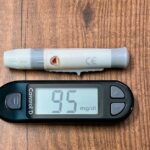

What if glucose is high: symptoms, risks, treatment
The risks of high glucose fall into two time frames — what happens in hours to days, and what happens over years. Both matter, and they call for different responses.
Short-term risks
Very high glucose can lead to a medical emergency. In diabetic ketoacidosis, the body breaks down fat for fuel and produces acids called ketones. This is most common in type 1 diabetes but can occur in type 2. In hyperosmolar hyperglycemic state, glucose rises to extreme levels and causes severe dehydration. Both are emergencies that require hospital care.
Warning signs include extreme thirst, confusion, nausea, rapid breathing, and fruity-smelling breath. These are not wait-and-see symptoms. They need urgent medical attention.
Long-term risks
Persistently high glucose damages blood vessels and nerves over time. This is the mechanism behind most diabetes complications.
- Heart and blood vessel disease: high glucose raises the risk of heart attack and stroke
- Kidney damage: diabetes is a leading cause of kidney failure
- Nerve damage: can cause numbness, pain, and digestive problems
- Eye damage: diabetic retinopathy is a leading cause of vision loss in adults
- Foot problems: poor circulation and nerve damage can lead to serious wounds
These complications are not inevitable. Research consistently shows that keeping glucose closer to normal reduces the risk of many of them, which is why early detection matters.
Treatment
Treatment depends on the type of diabetes, how high glucose is, and the person’s overall health. There is no single approach that fits everyone.
For type 1 diabetes, insulin is essential because the body cannot make it. For type 2 diabetes, treatment often starts with lifestyle changes and may include medications such as metformin. Some people eventually need insulin or other injectable medications. A doctor decides this based on individual factors, not a standard formula.
For prediabetes, structured lifestyle programs that combine modest weight loss and regular physical activity have been shown in large trials to reduce the risk of progressing to type 2 diabetes. That evidence is strong. What works for one person may not work for another, so a clinician should guide the plan.
How is high glucose treated day to day?
Day-to-day management rests on a few well-established pillars. None of them is a cure, and none works in isolation.
- Monitoring: checking glucose as advised helps track what is working
- Food choices: focusing on fiber, vegetables, and fewer refined sugars and starches helps steady glucose
- Physical activity: movement helps muscles take in glucose
- Medication: taken as prescribed, not skipped when numbers look better
- Regular checkups: eye exams, kidney tests, and foot checks catch complications early
One clarification worth knowing: a single high reading is not a reason to panic, and a single good reading is not proof that everything is controlled. Trends matter more than any one number.
When should you see a doctor?
See a doctor if you have symptoms of high glucose, if a home test shows a high reading, or if you have risk factors such as a family history of diabetes, a history of gestational diabetes, or excess weight around the abdomen. Routine screening is recommended for many adults, and earlier detection makes management easier.
Seek emergency care for confusion, extreme thirst with frequent urination, rapid breathing, vomiting, or fruity-smelling breath. These can signal a dangerous spike.
High glucose is manageable. The evidence for monitoring, treatment, and complication screening is strong. The evidence for many supplements and so-called glucose-balancing products is not. No supplement has been shown to replace proven treatment for diabetes.
Frequently Asked Questions
What is a dangerously high blood sugar level?
Levels above 250 mg/dL warrant attention, and readings above 300 mg/dL with symptoms need prompt medical care. Extreme elevations with confusion or vomiting are emergencies.
Can high blood sugar go away on its own?
Mild spikes after a meal can settle without treatment. Persistently high glucose from diabetes does not resolve on its own and needs medical management.
Does high blood sugar always mean diabetes?
No. Stress, illness, steroids, and pregnancy can raise glucose without diabetes. Diagnosis requires repeat testing or an A1C test.
What should I eat if my blood sugar is high?
Focus on vegetables, fiber, and lean protein while limiting refined sugars and starches. A doctor or dietitian can tailor a plan to your needs.
