
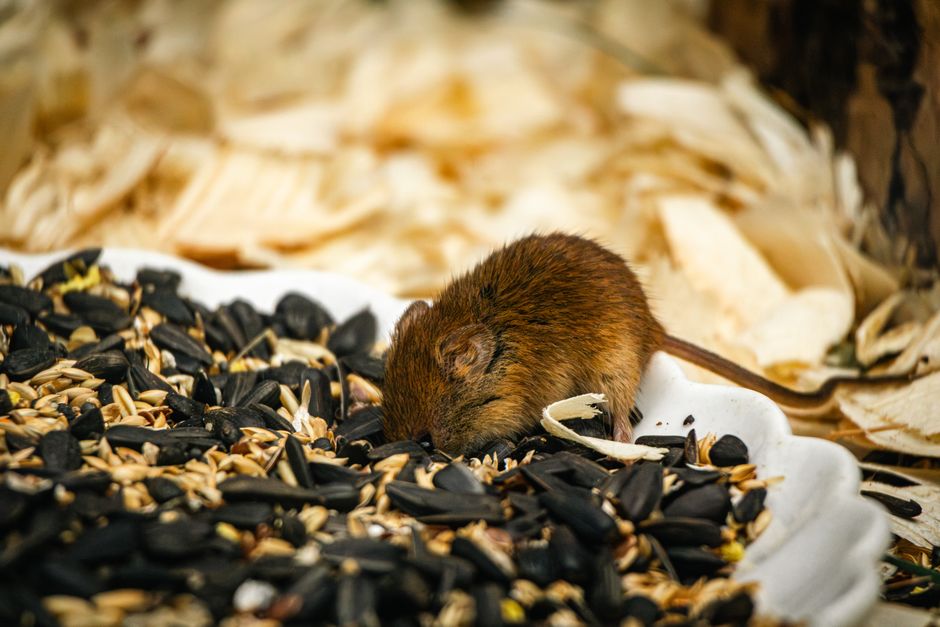
Mice are opportunistic eaters. In the wild they nibble seeds, grains, insects, and scraps. A pet mouse is different — it depends on you for a balanced diet, and its small body means even a little of the wrong food can cause real harm. Many human foods are safe in small amounts, including plain grains, most vegetables, and small pieces of fruit. Others are dangerous, including chocolate, caffeine, alcohol, and anything moldy or heavily salted.
What Human Food Can Mice Eat And What To Avoid?
The safest human foods for mice are plain, unsalted, and unprocessed. Think of a mouse’s natural diet: grains, seeds, and plant matter. Foods close to that are usually fine in small amounts.
Safe options include:
- Plain cooked grains like brown rice, oats, and plain pasta
- Fresh vegetables such as broccoli, cucumber, carrots, peas, and zucchini
- Small amounts of fruit like apple (no seeds), banana, and berries
- Plain cooked egg and small bits of unseasoned cooked chicken
- Unsalted nuts and seeds in moderation
- Plain whole-grain bread in small pieces
Two things matter most: portion size and preparation. A mouse’s stomach is tiny. A piece of carrot the size of a pea is a meal. Everything should be washed, plain, and free of salt, sugar, oil, and spices.
Foods to avoid include chocolate, caffeine, alcohol, onions and garlic in quantity, avocado, citrus in large amounts, anything moldy, and heavily processed or salted snacks. These range from mildly irritating to genuinely toxic.
How Much Human Food Should a Mouse Actually Eat?
Human food should be a small supplement, not the base of the diet. A pet mouse’s main food should be a quality commercial mouse or rodent pellet. Those pellets are formulated to meet nutritional needs in a way random table scraps cannot.
The general guidance from small-animal veterinary sources is that treats and extras should make up only a small fraction of the daily diet — often described as roughly a teaspoon or less of extras per day for a single mouse. Human food given freely crowds out the balanced food and creates nutritional gaps.
There is a real risk in overfeeding. Mice are prone to obesity, and extra weight strains their small hearts and joints. A mouse that looks round and sedentary is not necessarily healthy. Fresh vegetables are lower in calories than nuts and seeds, so they make a better everyday extra.
One clarification worth making: a mouse does not need variety for its own sake. Owners often rotate many foods to keep things interesting, but a steady, simple diet is easier on a mouse’s digestion than constant changes.
Which Vegetables and Fruits Are Safe for Mice?
Most fresh vegetables are safe and useful. They add moisture and fiber, and many mice enjoy them. Good choices include broccoli, cucumber, zucchini, bell pepper, peas, green beans, and small amounts of leafy greens like spinach.
Fruits should be given less often because of their sugar content. Apple, banana, blueberry, and melon are all fine in small pieces. Always remove apple seeds — they contain compounds that release small amounts of cyanide when crushed, and while a single seed is unlikely to harm a mouse, there is no reason to offer them.
Some vegetables deserve caution:
- Onions and garlic in larger amounts can damage red blood cells in rodents, similar to the effect seen in dogs and cats. Tiny traces are unlikely to matter, but they should not be a regular food.
- Raw potato and potato skins contain solanine, which is harmful. Cooked plain potato in small amounts is safer, but raw is best avoided.
- Avocado contains persin, which is toxic to several animals. The evidence in mice is not strong, but the risk is not worth taking.
- Citrus in large amounts can upset a mouse’s stomach. A tiny piece is generally fine.
What Human Foods Are Dangerous or Toxic to Mice?
Some human foods are genuinely dangerous. Chocolate tops the list. It contains theobromine and caffeine, which mice cannot process well. Even small amounts can cause rapid heart rate, tremors, and in serious cases death. Dark chocolate and baking chocolate are the most concentrated and the most dangerous.
Caffeine in any form — coffee, tea, energy drinks, soda — should never be given. It overstimulates a mouse’s small nervous system.
Alcohol is toxic to mice and should never be offered, even as a joke or in tiny amounts.
Other foods to keep away:
- Anything moldy — mold produces toxins that can be fatal to small animals
- Salted snacks like chips, crackers, and salted nuts — excess salt is hard on a mouse’s kidneys
- Sugary foods like candy, cookies, and sweetened cereal — these add empty calories and can contribute to obesity and dental problems
- Processed meats like bacon and sausage — high in salt and fat
- Xylitol and other artificial sweeteners — xylitol is dangerous to dogs and the safety margin in mice is not established, so avoid it entirely
If you suspect a mouse has eaten something toxic, contact a veterinarian who treats small animals right away. Do not wait for symptoms.
Is Cheese Actually Good for Mice?
No. The image of a mouse eating cheese is a cartoon, not nutrition. Most mice are lactose intolerant to some degree, and cheese can cause digestive upset. It is also high in fat and salt.
A tiny piece of plain, low-salt cheese now and then is unlikely to hurt a healthy mouse, but it should not be a regular food. The classic “mouse and cheese” pairing is one of the most persistent myths in pet care.
How Should You Prepare and Offer Human Food to a Mouse?
Preparation matters as much as the food itself. Wash all produce to remove pesticide residue. Cut everything into small pieces — roughly pea-sized or smaller. Remove seeds, pits, and tough skins that could pose a choking risk.
Cook foods plainly. No butter, oil, salt, or seasoning. Boiled or steamed is best. Raw is fine for most vegetables.
Introduce new foods one at a time. If a mouse develops diarrhea or seems unwell after a new food, stop giving it and see a vet if symptoms continue.
Remove uneaten fresh food within a few hours. Moist food spoils quickly, and spoiled food is a genuine hazard. Keep the cage clean and the water fresh.
The Bottom Line on Feeding Mice Human Food
Human food can be a safe, enjoyable addition to a mouse’s diet when it is plain, fresh, and given in small amounts. The foundation should always be a proper rodent food. Treats are extras, not meals.
The foods to avoid are the ones that are concentrated, processed, or toxic — chocolate, caffeine, alcohol, moldy food, and salty or sugary snacks. When in doubt, choose a plain vegetable over anything processed, and keep portions tiny.
Frequently Asked Questions
Can mice eat cheese?
A small piece of plain cheese now and then is unlikely to harm a mouse, but it is not a good regular food. Many mice are lactose intolerant, and cheese is high in fat and salt.
Can mice eat chocolate?
No. Chocolate contains theobromine and caffeine, which are toxic to mice and can cause tremors, a racing heart, and death in serious cases. Keep all chocolate away from them.
What vegetables can mice eat safely?
Broccoli, cucumber, zucchini, peas, green beans, bell pepper, and small amounts of leafy greens are generally safe when washed and cut into small pieces. Avoid raw potato and large amounts of onion or garlic.
Can mice eat bread?
Plain whole-grain bread in small pieces is generally fine as an occasional treat. Avoid bread that is moldy, sweetened, or heavily processed.
