
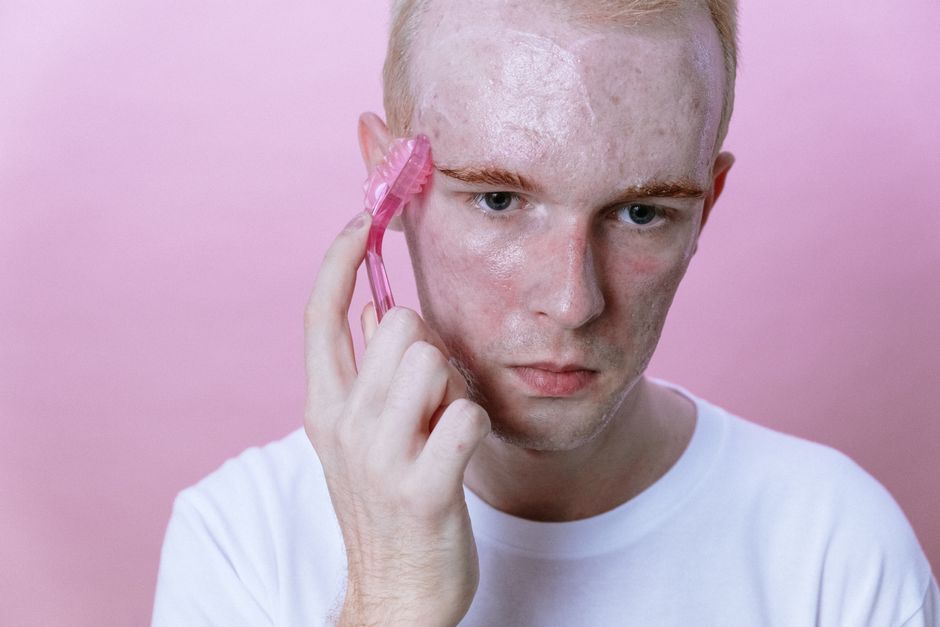
Acne is driven mainly by androgens — hormones such as testosterone and dihydrotestosterone (DHT) that both males and females produce. These hormones tell the sebaceous glands in your skin to make more oil. That oil, combined with dead skin cells, can plug a hair follicle. Bacteria that normally live on the skin then multiply inside the blocked pore, and the immune system responds with the redness and swelling we call a pimple.
So the honest answer to “what hormone causes acne” is androgens first — but they are not acting alone. Insulin, insulin-like growth factor 1 (IGF-1), and cortisol can all influence the process too. Understanding which hormone is doing what helps explain why acne shows up at certain ages and why some treatments work better than others.
What Hormone Causes Acne?
Androgens are the primary hormonal drivers of acne. The main ones are testosterone, dihydrotestosterone (DHT), and dehydroepiandrosterone (DHEA), which is produced by the adrenal glands.
Here is the key point that surprises many people: androgens do not cause acne because levels are “too high.” They cause it because the sebaceous glands become sensitive to normal levels. A person with completely normal testosterone on a blood test can still have severe acne. The problem is often at the receptor level in the skin, not the hormone level in the blood.
This is why checking hormone levels in a teenager with acne is usually not helpful. The hormones are doing exactly what they are supposed to do during puberty. The skin is simply responding to them more strongly.
What androgens actually do in the skin
Sebaceous glands sit next to hair follicles. They have androgen receptors. When androgens bind to those receptors, the glands enlarge and produce more sebum — the waxy oil that lubricates skin and hair.
More sebum changes the environment inside the follicle. A type of bacteria called Cutibacterium acnes (formerly Propionibacterium acnes) thrives in this oil-rich, low-oxygen setting. The follicle wall can also thicken and shed skin cells less efficiently, which contributes to the plug. The result is inflammation — the swelling, redness, and tenderness of an acne lesion.
Three things have to line up for acne to form: excess sebum, abnormal shedding of skin cells inside the follicle, and bacterial activity with inflammation. Androgens kick off the first step.
Why Does Acne Start During Puberty?
Puberty is when androgen production rises in both sexes. In boys, testosterone climbs steadily. In girls, the ovaries and adrenal glands increase output of androgens too, even though estrogen is also rising.
This rise in androgens is normal and expected. It triggers the sebaceous glands to mature and start producing more oil. Acne appearing at this stage is not a sign that something is wrong with your hormones. It is a sign that your body is responding the way it is designed to respond.
Acne typically appears earlier in girls than in boys, often between ages 10 and 13, because girls generally enter puberty earlier. Boys tend to develop acne later but sometimes more severely, likely because testosterone levels rise higher and stay elevated longer.
Most adolescent acne improves by the late teens or early twenties as hormone levels stabilize and the skin adjusts. Some people continue to have acne into adulthood, which brings us to the next question.
Can Hormones Cause Acne in Adults?
Yes. Adult acne is common, especially in women, and hormones often play a role. But the picture is different from puberty.
In adult women, acne frequently follows a pattern: flare-ups before menstrual periods, during pregnancy, around perimenopause, or after stopping hormonal birth control. These are all times when the balance between androgens and estrogens shifts.
Polycystic ovary syndrome (PCOS) is a condition where the ovaries and sometimes the adrenal glands produce higher-than-usual levels of androgens. Acne along the jawline and chin, combined with irregular periods and excess hair growth, can be a sign of PCOS. Not everyone with PCOS has acne, and not everyone with adult acne has PCOS. But when acne appears alongside those other symptoms, it is worth discussing with a doctor.
Adult acne in men is less common than in women. When it does occur, it often reflects the same androgen-driven process, though the exact triggers are less well understood.
Some research suggests that insulin resistance — which is more common in PCOS — can make acne worse by raising insulin and IGF-1 levels. IGF-1 can stimulate sebum production and increase androgen activity in the skin. This is an area of active research, and the evidence is not yet strong enough to say that managing insulin resistance will reliably clear acne.
How Do Insulin and IGF-1 Fit In?
Insulin and IGF-1 are not the primary cause of acne, but they can amplify the process. High insulin levels — from frequent blood sugar spikes — can raise IGF-1, which in turn encourages sebum production and may increase androgen effects in the skin.
This is one reason some researchers have looked at diets with a high glycemic load (lots of refined sugars and starches) as a possible acne trigger. The evidence here is mixed. Some studies show an association between high-glycemic diets and acne, while others do not. No clinical guideline currently recommends a specific diet as a treatment for acne.
What is clear: insulin and IGF-1 do not replace androgens as the main driver. They work alongside them. If androgens are the engine, insulin and IGF-1 are like pressing harder on the gas pedal.
What About Cortisol and Stress?
Cortisol is the body’s main stress hormone. It does not directly cause acne the way androgens do, but it can make acne worse in a few indirect ways.
First, cortisol can increase oil production. Second, stress often leads to behaviors that aggravate acne — like touching your face more, skipping your skin care routine, or sleeping poorly. Third, chronic stress can affect the immune system, potentially changing how the skin responds to inflammation.
The relationship between stress and acne is real but complex. Some studies show a link, while others are less clear. What is fair to say: stress does not create acne out of nothing, but it can contribute to flare-ups in someone who is already prone to it.
Do Hormonal Treatments for Acne Work?
Because androgens are the main driver, treatments that reduce androgen activity or block their effects can help. These are not the only options, but they target the root of the problem more directly than creams alone.
Combined oral contraceptives (birth control pills containing both estrogen and progestin) are approved by the FDA for acne treatment. They work by lowering androgen production from the ovaries and increasing a protein called sex hormone-binding globulin (SHBG), which binds to testosterone and reduces the amount that is free to act on the skin.
Spironolactone is a medication that blocks androgen receptors. It is used off-label for acne in women, meaning it is not FDA-approved specifically for this purpose, though it is widely prescribed and has been studied for acne. It is not used in men because it can cause breast tenderness and other feminizing effects.
Isotretinoin (Accutane) is a powerful oral retinoid that shrinks sebaceous glands and reduces oil production. It is not a hormonal treatment per se, but it works downstream of androgens by targeting the gland itself. It is generally reserved for severe or treatment-resistant acne because of its side effect profile and the need for careful monitoring.
For mild acne, topical treatments like benzoyl peroxide, salicylic acid, and topical retinoids are often the first step. They do not change hormone levels but can reduce the plugging and inflammation that androgens help create.
When Should You See a Doctor About Acne?
Acne is common, but some situations warrant a medical visit. See a doctor or dermatologist if:
- Acne is severe, painful, or leaving scars
- Over-the-counter treatments have not helped after several weeks of consistent use
- You have signs of high androgens — such as irregular periods, excess facial or body hair, or deepening voice in a woman
- Acne appears suddenly in adulthood without a clear trigger
- You are pregnant or breastfeeding and considering treatment
A doctor can help determine whether an underlying hormonal condition like PCOS is contributing. They can also discuss prescription options that target hormones directly.
One note: no blood test can reliably diagnose “hormonal acne.” The diagnosis is usually made based on the pattern and timing of breakouts, along with other symptoms. Hormone testing may be useful if a condition like PCOS is suspected, but normal hormone levels do not rule out hormonal acne.
Frequently Asked Questions
What hormone is mainly responsible for acne?
Androgens — especially testosterone, DHT, and DHEA — are the main hormonal drivers of acne. They stimulate the sebaceous glands to produce more oil, which sets the stage for blocked pores and inflammation.
Can you have hormonal acne with normal hormone levels?
Yes. Acne can occur even when blood tests show normal androgen levels because the sebaceous glands may be more sensitive to androgens. The problem is often at the receptor level in the skin, not in the bloodstream.
Does estrogen cause or clear acne?
Estrogen generally works against acne by reducing sebum production and lowering androgen activity. This is why some women notice clearer skin when estrogen levels are higher, such as during pregnancy, and flare-ups when estrogen drops, such as before a period.
Is cortisol the cause of stress acne?
Cortisol does not directly cause acne the way androgens do, but it can increase oil production and influence inflammation. Stress can also lead to behaviors that worsen acne, like touching the face or skipping skin care.
