
High blood pressure often has no symptoms, yet it quietly raises the risk of heart attack, stroke, and kidney damage over years. The good news is that several well-established lifestyle changes can lower blood pressure meaningfully. The strongest evidence supports cutting sodium, eating more potassium-rich foods, moving your body regularly, losing excess weight, limiting alcohol, and managing stress. For some people these changes are enough on their own; for others they make blood pressure medication work better. None of them replace a doctor’s care when pressure is already high.
What Helps Your Blood Pressure Go Down Naturally?
The most reliable natural approach combines several changes at once rather than relying on any single one. Sodium reduction and a diet rich in vegetables, fruits, whole grains, and low-fat dairy have the strongest research support. Regular physical activity, weight loss if you carry extra pounds, and cutting back on alcohol all add to the effect. The DASH eating plan (Dietary Approaches to Stop Hypertension) was designed specifically to lower blood pressure and remains one of the best-studied dietary patterns for this purpose.
No single food, supplement, or drink reverses high blood pressure on its own. The evidence for individual “superfoods” is thin. What works is a sustained pattern of eating and living that lowers pressure across months and years, not a quick fix.
How Much Can Lifestyle Changes Lower Blood Pressure?
Lifestyle changes can lower systolic pressure (the top number) by a meaningful margin, though the size of the drop varies widely between people. Someone with mildly elevated pressure may respond more than someone with long-standing hypertension. Combining several changes tends to produce a larger effect than any one alone.
It helps to understand what the numbers mean. A normal reading is below 120/80. Elevated pressure is 120-129 systolic with diastolic under 80. Stage 1 hypertension is 130-139 over 80-89, and Stage 2 is 140/90 or higher. These categories come from well-established clinical guidelines. If your readings sit in the hypertensive range, lifestyle changes are important but should be discussed with a clinician, because medication may also be needed.
Does Cutting Sodium Really Help?
Yes. Reducing sodium intake lowers blood pressure in most people, and the effect is one of the best documented of any dietary change. The body holds onto water when sodium is high, which increases blood volume and pressure. Some people are more salt-sensitive than others, but the benefit of cutting back is broad.
Most sodium in the American diet does not come from the salt shaker. It comes from packaged foods, restaurant meals, canned goods, deli meats, bread, and sauces. Reading labels and cooking more meals at home is often more effective than simply not salting food at the table.
General guidance from major health organizations points toward keeping sodium well below the typical American intake, which is much higher than recommended. If you have high blood pressure, ask your clinician what target fits your situation.
Why Does Potassium Matter for Blood Pressure?
Potassium helps the body balance sodium and eases tension in blood vessel walls. Diets rich in potassium-rich foods are linked to lower blood pressure in many studies. The DASH plan works partly because it pairs lower sodium with higher potassium from produce and dairy.
Good sources include beans, lentils, potatoes, bananas, spinach, tomatoes, oranges, and low-fat yogurt. Food sources are generally preferred over supplements. Potassium supplements can be dangerous for people with kidney disease or those taking certain medications, so check with a clinician before adding them.
Can Exercise Lower Blood Pressure Without Medication?
Regular physical activity lowers blood pressure in most people, and the effect is well established. Both aerobic exercise, like brisk walking or cycling, and strength training contribute. The benefit comes from improved blood vessel function and better heart efficiency, not from weight loss alone.
You do not need extreme workouts. Consistent moderate activity most days of the week is the goal supported by public health guidelines. Even short bouts of movement add up. If you have been inactive or have heart concerns, talk to a clinician before starting a new program.
Does Losing Weight and Limiting Alcohol Help?
Carrying extra weight, especially around the abdomen, raises blood pressure in many people. Losing even a modest amount of weight can lower readings. The effect tends to grow with the amount lost, and keeping the weight off matters as much as losing it.
Alcohol is a common and often overlooked factor. Drinking heavily or regularly raises blood pressure, and cutting back can lower it. Some research suggests that even moderate drinking may not be as harmless for blood pressure as once assumed. If you drink, reducing intake is a reasonable step to discuss with your clinician.
What About Stress, Sleep, and Smoking?
Chronic stress and poor sleep are linked to higher blood pressure, though the direct cause-and-effect is harder to pin down than for diet or exercise. What is clear is that stress often drives habits that raise pressure, like overeating, heavy drinking, and poor sleep. Addressing sleep problems, including sleep apnea, is worthwhile because untreated apnea is strongly associated with resistant high blood pressure.
Smoking does not cause lasting high blood pressure in the way many assume, but it damages blood vessels and sharply raises heart risk. Quitting is one of the most important things anyone can do for cardiovascular health, even if it does not move the blood pressure number much on its own.
Do Supplements and “Natural Remedies” Work?
The evidence for most supplements marketed for blood pressure is limited or mixed. Some small studies suggest modest effects for a few substances, but large, well-controlled human trials are often lacking, and product quality varies. No supplement has been shown to replace medication for established hypertension.
Be cautious with anything sold as a guaranteed or miracle fix. Herbal products can also interact with blood pressure medications. If you are considering a supplement, bring it to your clinician rather than adding it on your own.
How Do You Measure Progress?
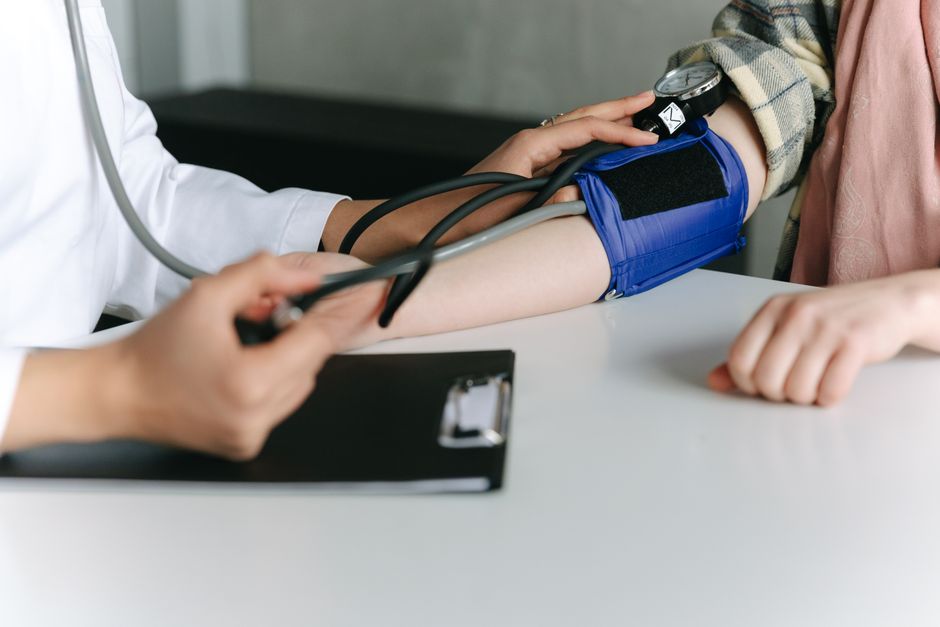
You cannot feel high blood pressure, so measuring is the only way to know whether your changes are working. A home monitor, used correctly, gives useful readings between doctor visits. Sit quietly for a few minutes first, keep your feet flat, rest your arm at heart level, and take more than one reading.
Track your numbers over weeks, not days, since pressure naturally fluctuates. Bring your log to appointments. If your readings stay high or climb, that is a signal to get medical advice rather than to keep adjusting lifestyle changes alone.
When Should You See a Doctor?
Lifestyle changes support health, but they are not a substitute for medical care when blood pressure is clearly elevated. See a clinician if your readings are consistently in the hypertensive range, if home monitoring shows rising numbers, or if you have symptoms like chest pain, severe headache, shortness of breath, or vision changes, which can signal a medical emergency.
Some people need medication even with a healthy lifestyle, and that is not a failure. Genetics and age play real roles that diet and exercise cannot fully override. The goal is to bring pressure into a safer range by whatever combination works, and to keep it there.
Frequently Asked Questions
What is the fastest natural way to lower blood pressure?
There is no instant fix, but cutting sodium and adding potassium-rich foods can start to show effects within weeks for some people. Sustained changes over months matter more than any quick tactic.
Can drinking more water lower blood pressure?
Staying hydrated supports normal body function, but there is no strong evidence that drinking extra water lowers high blood pressure. Sodium reduction and diet have far more support.
Does walking every day lower blood pressure?
Regular walking is a well-established way to help lower blood pressure when done consistently most days of the week. The benefit builds over time rather than from a single walk.
Can natural changes replace blood pressure medication?
For some people with mildly elevated pressure, lifestyle changes may be enough, but this should be decided with a clinician. Never stop prescribed medication on your own, because doing so can be dangerous.
