
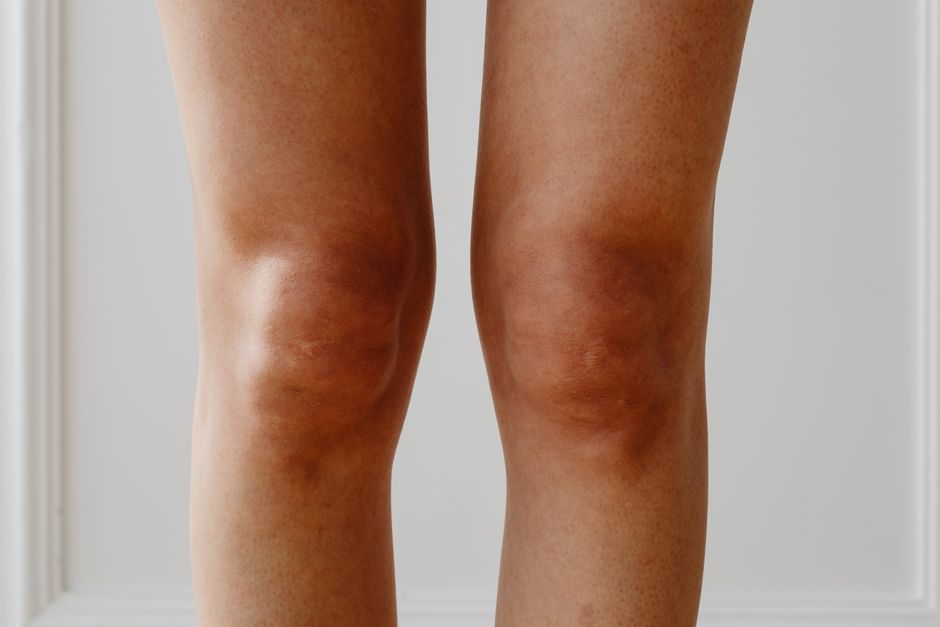
Stiff knees are one of the most common complaints in adults over 35, and the reasons range from simple inactivity to osteoarthritis. The most reliable help comes from regular movement — especially strengthening the muscles around the knee and low-impact aerobic exercise — combined with weight management if you carry extra pounds, and a diet rich in anti-inflammatory foods. No single exercise or food fixes a stiff knee, but the combination of movement, strength, and body weight has the strongest evidence behind it.
Why Do Knees Get Stiff in the First Place?
Knee stiffness usually comes from one of a few sources. The most common is osteoarthritis, where cartilage inside the joint gradually wears down. Cartilage has no blood supply of its own, so it depends on joint movement to circulate synovial fluid — the lubricant inside the joint capsule. When you sit still for long periods, that fluid thickens and the joint feels stiff, especially in the morning or after sitting.
Other causes include injury to ligaments or meniscus, patellofemoral pain syndrome (pain around the kneecap), rheumatoid arthritis, bursitis, and simple muscle weakness in the quadriceps and hamstrings. Weak muscles mean the joint itself absorbs more load with every step.
Stiffness that lasts less than 30 minutes after waking and improves with movement usually points to osteoarthritis. Stiffness that lasts longer than an hour, or comes with swelling, warmth, or redness, needs a medical evaluation. Those signs can indicate inflammatory arthritis, infection, or another condition that requires different treatment.
What Helps Stiff Knees: Exercises That Actually Work
Strengthening the quadriceps is the single most supported exercise approach for knee stiffness related to osteoarthritis. The quadriceps absorbs force every time you walk, climb stairs, or stand up from a chair. When those muscles are weak, the joint takes the hit.
Research consistently shows that land-based exercise reduces knee pain and improves physical function in people with knee osteoarthritis. The effect is modest but real, and it holds across age groups. The American College of Rheumatology and other professional bodies recommend exercise as a first-line treatment for knee osteoarthritis — before or alongside medication.
Exercises with the strongest support
- Quad sets: Sit with your leg straight. Tighten the muscle on the front of your thigh, pressing the back of your knee down. Hold for 5 to 10 seconds. Repeat 10 times per leg.
- Straight leg raises: Lie on your back with one knee bent and the other leg straight. Lift the straight leg about 12 inches, hold briefly, lower slowly. This builds the quadriceps without bending the knee.
- Mini squats: Stand with feet shoulder-width apart, holding a counter or chair for balance. Bend your knees to about 30 degrees, then stand back up. Keep your knees behind your toes.
- Step-ups: Use a low step — 4 to 6 inches to start. Step up with one foot, bring the other up, then step down. This mimics stair climbing and builds functional strength.
- Hamstring curls: Lie face down. Bend one knee to bring your heel toward your buttocks, then lower slowly. Strong hamstrings balance the pull on the knee joint.
Low-impact aerobic exercise also matters. Walking, swimming, cycling, and using an elliptical machine keep synovial fluid moving and support cardiovascular health without pounding the joint. Some evidence suggests that cycling with low resistance is particularly well tolerated in people with knee osteoarthritis because it moves the joint through a full range without loading it heavily.
Stretching helps with the sensation of stiffness, but it does not strengthen the joint or change cartilage. It works best as a complement to strengthening, not a replacement. Hold each stretch for 15 to 30 seconds and avoid bouncing.
Does Diet Really Affect Knee Stiffness?
Diet affects knee stiffness mainly through two pathways: body weight and inflammation. It does not rebuild cartilage. No food or supplement has been shown to regrow worn cartilage in humans.
Weight is the more powerful lever. Every pound of body weight puts roughly 3 to 4 pounds of force through the knee during walking. Losing weight reduces that load directly. The most reliable evidence for weight loss and knee osteoarthritis comes from studies showing that losing about 10 percent of body weight improves pain and function in people with knee osteoarthritis. That figure comes from clinical weight-loss trials, not from diet fads.
For inflammation, the Mediterranean-style eating pattern has the most consistent evidence. It emphasizes vegetables, fruit, whole grains, legumes, fish, olive oil, and nuts, and limits processed foods and red meat. Some studies suggest people who eat this way report less knee pain, though the effect is smaller than the effect of weight loss or exercise.
Specific foods that appear in research on joint health include:
- Fatty fish (salmon, sardines, mackerel) — rich in omega-3 fatty acids
- Extra virgin olive oil — contains oleocanthal, a compound with anti-inflammatory activity
- Berries and leafy greens — sources of antioxidants and vitamin K
- Turmeric — contains curcumin, which some studies suggest may reduce knee pain, though results vary and absorption from food alone is low
- Vitamin D sources or supplements if a blood test shows deficiency
No diet has been proven to reverse knee osteoarthritis. Claims that a specific food “rebuilds cartilage” are not supported by clinical evidence.





Do Supplements Help Stiff Knees?
This is where the gap between marketing and evidence is widest. Glucosamine and chondroitin are the most heavily marketed supplements for knee stiffness. Large, well-designed trials — including the NIH-funded GAIT trial — found that glucosamine and chondroitin, alone or combined, did not significantly reduce knee pain compared with placebo in most participants. A small subgroup with moderate-to-severe pain reported some benefit, but the finding has not been consistently replicated.
Turmeric and curcumin supplements show modest pain reduction in some smaller trials, but study quality varies and the formulations differ widely. The evidence is not strong enough to call curcumin a proven treatment.
Vitamin D supplementation helps only if you are deficient. If your blood level is normal, extra vitamin D has not been shown to reduce knee pain or slow osteoarthritis.
Collagen supplements have gained popularity. Some small studies suggest hydrolyzed collagen may reduce activity-related knee pain, but the trials are short and the results have not been confirmed in large independent studies. The evidence is early, not settled.
A reasonable position: if you want to try a supplement, tell your doctor, especially if you take blood thinners or have a chronic condition. Do not expect it to replace exercise or weight management.
What Else Helps — Heat, Cold, and Activity Pacing
Heat and cold are both used for knee stiffness, and both have a role. Heat — a warm shower, heating pad, or warm compress — relaxes muscles and eases the sensation of stiffness, especially in the morning. Cold — ice packs — reduces swelling and numbs sharp pain after activity or injury.
Activity pacing matters more than most people realize. Long periods of sitting make stiffness worse. So does overdoing it on a good day. Breaking up sitting every 30 to 45 minutes with a short walk or a few quad sets keeps the joint from locking up.
Physical therapy is well supported for knee osteoarthritis. A therapist can assess which muscles are weak, correct movement patterns, and build a program that fits your specific knee. Some research suggests that a structured physical therapy program works as well as surgery for certain types of meniscal tears in older adults, though this depends on the specific injury.
If stiffness comes with locking, giving way, or significant swelling, see a doctor. Those signs suggest a mechanical problem that exercise alone will not fix.
How Long Before You Notice a Difference?
Strength changes take time. Most people notice some improvement in stiffness and pain within 4 to 6 weeks of consistent exercise. Meaningful strength gains typically take 8 to 12 weeks. Weight loss of 10 percent of body weight usually takes several months of sustained dietary change.
The key word is consistent. Two or three sessions per week is the minimum most guidelines suggest for knee osteoarthritis. Daily gentle movement — even short walks — helps more than occasional intense workouts. Missing a few days is not a setback; stopping for weeks is.
Frequently Asked Questions
What is the best exercise for stiff knees?
Quadriceps strengthening — such as quad sets, straight leg raises, and mini squats — has the strongest evidence for reducing knee stiffness and pain. Low-impact aerobic exercise like walking, cycling, or swimming complements it by keeping the joint moving without heavy loading.
Can diet alone fix stiff knees?
No. Diet can reduce inflammation and, through weight loss, reduce the load on your knees, but it does not rebuild cartilage or replace exercise. The strongest evidence supports combining diet changes with strengthening exercise.
Do glucosamine supplements help knee stiffness?
Large trials, including the NIH-funded GAIT study, found glucosamine and chondroitin did not significantly reduce knee pain compared with placebo in most people. A small subgroup reported benefit, but the finding has not been consistently repeated.
When should I see a doctor for stiff knees?
See a doctor if stiffness lasts more than an hour after waking, or if you have swelling, warmth, redness, locking, or your knee gives way. These signs can point to inflammatory arthritis or a mechanical problem that needs specific treatment.
