
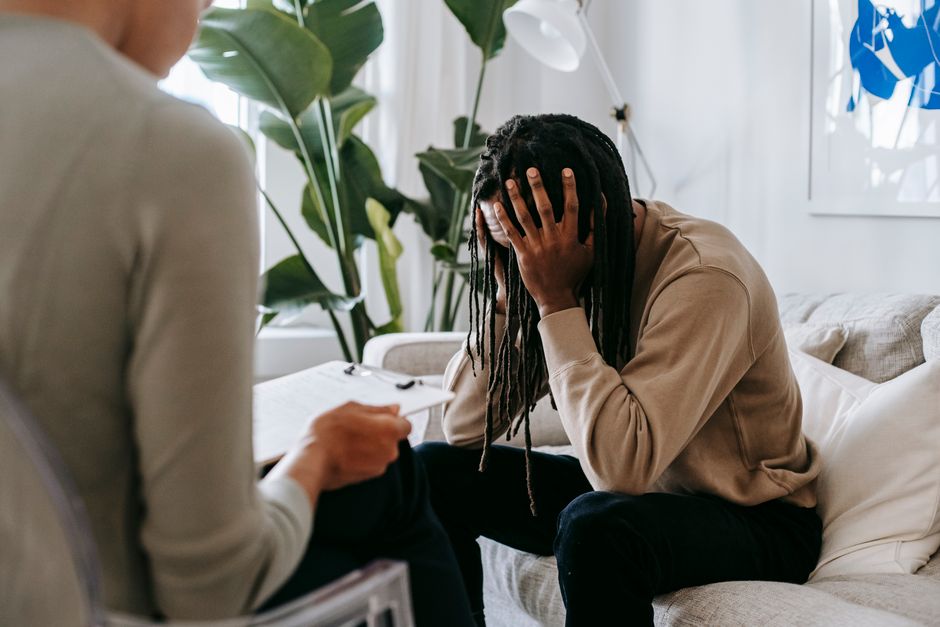
Anxiety responds to specific, well-studied inputs. Slow breathing that lengthens the exhale, regular aerobic exercise, sleep that follows a consistent schedule, and structured talk therapies such as cognitive behavioral therapy all have research behind them. So does limiting alcohol and caffeine, which can mimic or worsen anxiety symptoms. The strongest evidence points to a small set of habits and treatments rather than any single fix.
What follows separates what research supports from what is mostly marketing. Some of it is simple. Some of it requires professional help. None of it promises a cure, because anxiety is a normal human response that becomes a disorder when it is frequent, intense, and gets in the way of daily life.
What Helps Reduce Anxiety According To Science?
The interventions with the most consistent research support fall into three groups: psychological therapies, physical behaviors, and lifestyle adjustments. Cognitive behavioral therapy is the most studied psychological treatment for anxiety disorders, and clinical guidelines in the US and UK list it as a first-line option. On the physical side, breathing exercises and aerobic exercise have measurable effects on the body’s stress response. Lifestyle factors like sleep, alcohol, and caffeine influence anxiety symptoms in ways that are well documented.
What does not have strong support is equally worth knowing. Herbal blends, essential oils, and most supplements marketed for calm have limited or absent evidence from large human trials. That does not mean nothing works. It means the evidence sits with a smaller, less exciting list.
Why Does Slow Breathing Calm the Body?
Breathing is one of the few automatic body functions you can consciously control, and changing it sends signals to the nervous system. Slow, steady breathing at roughly six breaths per minute activates the parasympathetic nervous system, the branch responsible for rest and recovery. This is sometimes called the relaxation response, a term researchers have used for decades to describe the body’s counter to the stress reaction.
The key detail is the exhale. Lengthening your exhale relative to your inhale appears to increase vagal tone, which is the activity of the vagus nerve that helps slow heart rate. A common approach is to breathe in for a count of four and out for a count of six. The exact numbers matter less than the pattern: slower than usual, with the out-breath longer than the in-breath.
This is established physiology, not a fringe claim. What is less certain is how much breathing practice alone reduces clinically significant anxiety over months. Studies show short-term reductions in physiological arousal. Whether that translates into lasting relief for an anxiety disorder is a different question, and the evidence there is thinner.
Does Exercise Actually Reduce Anxiety?
Yes, and the evidence is stronger than for most lifestyle interventions. Reviews of exercise research consistently find that regular aerobic activity reduces anxiety symptoms, both in people with diagnosed anxiety disorders and in the general population. The effect sizes are modest but reliable, and the finding holds across age groups.
What kind of exercise? Aerobic activity such as brisk walking, jogging, cycling, or swimming has the most support. The general public health recommendation for adults is at least 150 minutes of moderate-intensity activity per week, and that same target is a reasonable starting point for anxiety. Some research suggests that even a single session can lower state anxiety temporarily, which is useful when you need relief in the moment.
One clarification worth making: exercise is not a replacement for treatment in moderate to severe anxiety disorders. It works well alongside therapy or medication, and for mild symptoms it can be a meaningful part of a plan. The evidence does not support presenting it as a standalone cure.


How Much Does Sleep Affect Anxiety?
Sleep and anxiety run in both directions, and the relationship is well established. Poor sleep increases next-day anxiety, and anxiety makes it harder to fall and stay asleep. Research on sleep deprivation shows that even a single night of lost sleep can raise anxiety levels the following day in healthy people.
The practical takeaway is consistency. Going to bed and waking at roughly the same time each day supports the body’s circadian rhythm, which in turn affects mood regulation. Adults generally need seven or more hours of sleep per night according to major sleep and health organizations. If anxiety is disrupting your sleep regularly, that is worth raising with a clinician rather than trying to push through.
Sleeping pills are a separate matter. Some are effective short-term, but they are not a treatment for anxiety itself, and long-term use carries risks. This is a conversation for a prescriber, not a self-directed fix.
Do Caffeine and Alcohol Make Anxiety Worse?
For many people, yes. Caffeine is a stimulant that can produce physical symptoms indistinguishable from anxiety: racing heart, restlessness, shakiness, and a sense of unease. In people who are sensitive to it, or who consume it in large amounts, caffeine can trigger or worsen anxiety symptoms. Some research links higher caffeine intake to increased anxiety in both clinical and general populations.
Alcohol works differently but creates its own trap. It may feel calming in the moment, but as it wears off it can produce rebound anxiety, and regular heavy drinking is associated with worsening anxiety over time. The short-term relief is real. The long-term effect usually is not.
A reasonable experiment is to reduce caffeine for a couple of weeks and see whether symptoms change. For alcohol, cutting back or stopping is worth discussing with a doctor, especially if you drink regularly, because withdrawal can be medically serious.
What About Therapy and Medication?
Cognitive behavioral therapy is the most extensively studied talk therapy for anxiety, and clinical guidelines from major health bodies list it as a first-line treatment for anxiety disorders. It works by helping people identify and change the thought patterns and behaviors that maintain anxiety. Other approaches, including acceptance and commitment therapy and exposure-based therapies, also have research support.
Medications exist and are effective for many people. Selective serotonin reuptake inhibitors are commonly prescribed for anxiety disorders, and some other drug classes are used as well. Whether medication is appropriate depends on severity, history, and personal factors. That decision belongs with a clinician who knows your situation.
One point worth stating plainly: the choice between therapy and medication is not always either-or. For moderate to severe anxiety, combining them is common clinical practice and is supported for some conditions. What works for one person may not work for another, and finding the right fit can take time.
Which Supplements and Remedies Lack Strong Evidence?
This is where marketing outruns science. Many products sold for calm have not been tested in large, well-controlled human trials, or the results have been mixed. That includes most herbal blends, essential oils, and combination supplements marketed for stress and anxiety.
A few individual compounds have been studied more than others, but the picture is uneven. Some research on certain supplements shows possible benefit, while other studies find little difference from placebo. The evidence is not strong enough to recommend them as reliable treatments, and supplements can interact with medications. If you are considering one, talk to a pharmacist or doctor first.
The same caution applies to apps and devices marketed for anxiety. Some show promise in early studies. Few have been validated in large trials, and claims of effectiveness should be treated as unproven until better evidence exists.
When Should You Get Professional Help?
Anxiety becomes a clinical concern when it is persistent, intense, and interferes with work, relationships, sleep, or daily functioning. Physical symptoms like a racing heart, shortness of breath, or dizziness can also be signs of other medical conditions, which is one reason a professional evaluation matters.
Seek help if anxiety is lasting most days for weeks or months, if you are avoiding things you used to do, or if you have thoughts of harming yourself. In the US, the 988 Suicide and Crisis Lifeline is available by call or text. Reaching out is not an overreaction. It is the step the evidence supports most clearly.
Frequently Asked Questions
What is the fastest science-backed way to calm anxiety?
Slow breathing with a longer exhale than inhale can reduce physiological arousal within minutes. It is a short-term tool, not a treatment for an anxiety disorder.
Does exercise help anxiety as much as therapy?
Exercise has reliable evidence for reducing anxiety symptoms, but it is not shown to match cognitive behavioral therapy for treating anxiety disorders. It works best alongside treatment, not instead of it.
Can caffeine cause anxiety symptoms?
Yes, caffeine can produce symptoms that mimic anxiety, including a racing heart and restlessness, especially in sensitive people or at high intake. Reducing it is a reasonable first experiment.
Are supplements for anxiety proven to work?
Most supplements marketed for anxiety lack strong evidence from large human trials. Some have mixed results, and they can interact with medications, so check with a clinician first.
