
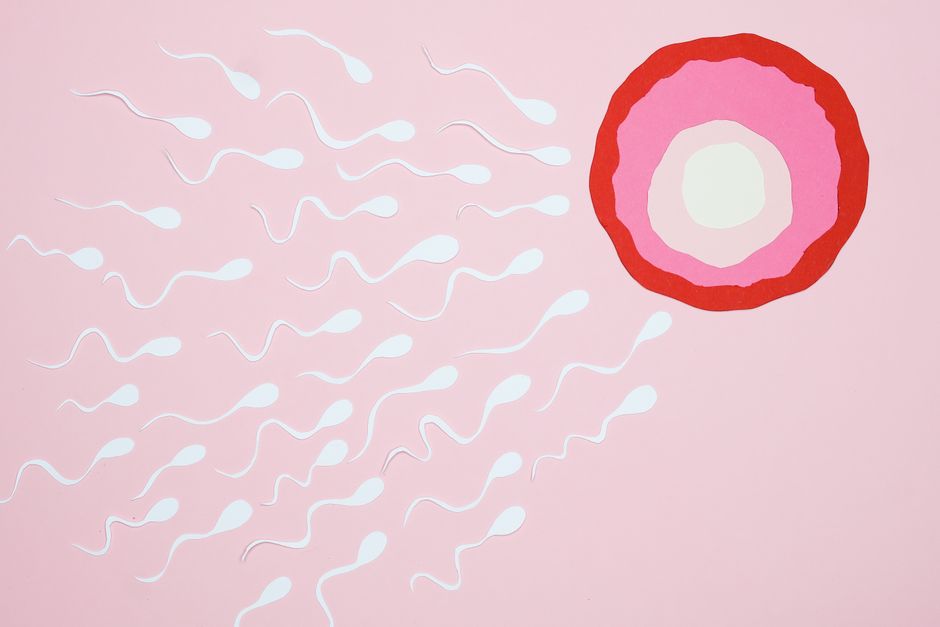
Sperm production is a continuous process that depends on hormones, temperature, and general health. Diet, exercise, and lifestyle habits can all influence sperm health, but the effects are usually gradual and modest. No single food or workout is a fix. The strongest evidence points to overall patterns: eating a balanced diet, staying physically active, not smoking, limiting alcohol, and keeping testicles cooler than core body temperature.
What Helps Produce Sperm Diet Exercise Lifestyle?
Sperm production, called spermatogenesis, takes about 74 days from start to finish. That means any change you make today will not show up in a semen analysis for roughly two to three months. This is one of the most important things to understand before you judge whether a diet or lifestyle change is working.
The process happens in the seminiferous tubules inside the testicles. It requires testosterone, follicle-stimulating hormone (FSH), and luteinizing hormone (LH) working together. It also requires a temperature about 2 to 4 degrees Fahrenheit cooler than the rest of the body. When any of these conditions are disrupted, sperm count, shape, or movement can suffer.
Diet, exercise, and lifestyle do not work in isolation. They affect hormone levels, oxidative stress, blood flow, and body temperature. That is why researchers generally study them together rather than as single variables.
How Does Diet Affect Sperm Health?
Diet influences sperm through several pathways. It affects oxidative stress, hormone regulation, and the raw materials available for sperm cell formation. The evidence here is moderate but consistent for certain patterns.
Research published in the journal Human Reproduction found that men who ate more processed meat, full-fat dairy, and sugary foods tended to have lower sperm counts and poorer sperm motility than men who ate more fruits, vegetables, whole grains, and fish. This does not prove cause and effect, but the pattern has appeared in multiple studies.
Specific nutrients that appear to matter:
- Folate and zinc: Both are involved in DNA synthesis and cell division. Deficiency is linked to abnormal sperm shape.
- Vitamin C and vitamin E: These antioxidants help protect sperm from oxidative damage.
- Selenium: Needed for normal sperm motility and structure.
- Omega-3 fatty acids: Some studies suggest they support sperm membrane health.
- Vitamin D: Receptors for vitamin D exist on sperm cells. Low levels have been associated with lower motility in some studies.
A 2020 review in the journal Antioxidants noted that a Mediterranean-style diet — rich in vegetables, legumes, nuts, fish, and olive oil — was associated with better semen quality in several observational studies. The evidence is not strong enough to call it a treatment, but it is a reasonable pattern to follow.
What does not help: extreme calorie restriction, very low-fat diets, and high intake of trans fats. Severe restriction can lower testosterone and disrupt hormone signaling.
Does Exercise Help or Hurt Sperm Production?
Moderate exercise supports sperm health. Intense endurance training can work against it. The difference comes down to intensity, duration, and recovery.
Moderate aerobic exercise — brisk walking, cycling at a comfortable pace, swimming — improves insulin sensitivity, reduces oxidative stress, and supports healthy testosterone levels. Studies have found that men who exercise moderately tend to have higher sperm concentrations and better motility than sedentary men.
But very high-volume endurance training can suppress the hypothalamic-pituitary-gonadal axis. This is the hormone system that signals the testicles to produce sperm. When it is suppressed, testosterone and sperm production can drop. This has been documented in competitive cyclists, marathon runners, and military personnel undergoing extreme physical stress.
Resistance training appears generally safe and may support testosterone in the short term. The key is avoiding overtraining and ensuring adequate recovery.
One non-obvious point: cycling can affect sperm through heat and pressure. Prolonged time in the saddle raises scrotal temperature and can compress the perineal area. Some studies have found associations between high-volume cycling and lower sperm quality, though the evidence is mixed. If you cycle long distances, standing periodically and using a well-fitted saddle may help.



What Lifestyle Habits Affect Sperm Most?
Several lifestyle factors have strong, consistent evidence behind them.
Smoking: Cigarette smoke contains thousands of chemicals that cause oxidative damage to sperm DNA. Research consistently shows that smokers have lower sperm counts, poorer motility, and more abnormally shaped sperm than non-smokers. The effect appears to be dose-dependent.
Alcohol: Heavy drinking suppresses testosterone and disrupts sperm production. Even moderate drinking — more than two drinks per day — has been associated with lower sperm quality in some studies. The evidence for light drinking is less clear.
Heat exposure: The testicles sit outside the body for a reason. Hot tubs, saunas, tight underwear, and prolonged laptop use on the lap can raise scrotal temperature. Some studies suggest that frequent hot tub use can temporarily reduce sperm count, though the effect reverses after stopping.
Sleep: Testosterone production follows a circadian rhythm, peaking in the early morning. Chronic sleep deprivation has been associated with lower testosterone levels in some studies. The relationship is not fully understood, but sleep appears to matter.
Stress: Chronic psychological stress can affect hormone levels and sperm production. The evidence is less direct than for smoking or alcohol, but the association appears in multiple studies.
Does Weight Affect Sperm Count?
Body weight influences sperm health through hormone balance and temperature. Both obesity and being underweight have been linked to poorer semen quality.
Excess body fat, especially around the abdomen, increases estrogen levels and decreases testosterone. This happens because fat tissue converts testosterone into estrogen through an enzyme called aromatase. Higher estrogen and lower testosterone can suppress sperm production.
Obesity also raises scrotal temperature. More insulation means the testicles stay warmer than they should. Some studies have found that men with a BMI of 30 or higher have lower sperm counts and poorer motility than men with a BMI in the normal range.
Being underweight can also cause problems. Severe calorie restriction and low body fat can suppress the hormone signals that drive sperm production, similar to what happens in female athletes who lose their menstrual cycles.
Weight loss through diet and exercise has been shown to improve sperm parameters in some studies, but the effect is not guaranteed and varies by individual.
Which Supplements Have Evidence for Sperm Health?
Several supplements have been studied for sperm health. The evidence varies from moderate to weak.
Antioxidants: Coenzyme Q10, vitamin C, vitamin E, and N-acetylcysteine have been studied for their ability to reduce oxidative stress in semen. Some trials show improvement in motility and count, but results are inconsistent. A Cochrane review found that antioxidant supplementation may improve live birth rates in couples undergoing fertility treatment, but the quality of evidence was low.
Zinc and folate: Both are essential for sperm production. Supplementation may help if you are deficient, but there is little evidence that taking more than the recommended daily allowance improves sperm in men who already get enough from food.
Vitamin D: Some studies have found associations between low vitamin D levels and poor sperm motility. Whether supplementation improves sperm in men with normal levels is not clear.
L-carnitine: This amino acid is involved in energy production in sperm cells. Some small trials have shown improvements in motility, but the studies are not large enough to draw firm conclusions.
No supplement has been shown to reliably treat male infertility on its own. If you are considering supplements, talk to a doctor first. Some can interact with medications or cause side effects at high doses.
How Long Before Lifestyle Changes Affect Sperm?
Sperm production takes about 74 days. That means any change you make — quitting smoking, improving your diet, starting an exercise routine — will not show up in a semen analysis for at least two to three months.
Some changes may take longer. If you have been smoking for years or have a high body fat percentage, the effects on hormone balance may take six months or more to reverse. The testicles also need time to recover from heat damage or nutritional deficiencies.
This timeline matters for anyone trying to conceive. If you are planning a pregnancy, making lifestyle changes at least three months before trying can give sperm the best chance to improve.
When Should You See a Doctor?
If you and your partner have been trying to conceive for a year without success, or six months if your partner is over 35, it is worth seeing a doctor. For men, that usually means a semen analysis and possibly hormone testing.
Other reasons to seek evaluation:
- History of testicular injury, surgery, or infection
- Undescended testicle as a child
- Varicocele (enlarged veins in the scrotum)
- Hormone-related symptoms like low sex drive or erectile dysfunction
- Exposure to chemotherapy or radiation
Many causes of male infertility are treatable. Some are not. A doctor can help you understand what is affecting your sperm and what options exist.
Frequently Asked Questions
How long does it take for diet and exercise to improve sperm?
Sperm production takes about 74 days, so changes typically show up in a semen analysis after two to three months. Some improvements may take six months or longer if hormone balance or body weight is involved.
Does cycling affect sperm count?
Some studies suggest that high-volume cycling may lower sperm quality due to heat and pressure in the scrotal area. The evidence is mixed, and moderate cycling is unlikely to cause problems for most men.
What is the single most important lifestyle change for sperm health?
Quitting smoking has the strongest and most consistent evidence behind it. Smoking damages sperm DNA and lowers count, motility, and shape, and the effect appears to be dose-dependent.
Can supplements boost sperm count?
Some antioxidants and nutrients like zinc and folate may help if you are deficient, but no supplement has been shown to reliably treat male infertility on its own. Talk to a doctor before starting any supplement.
