
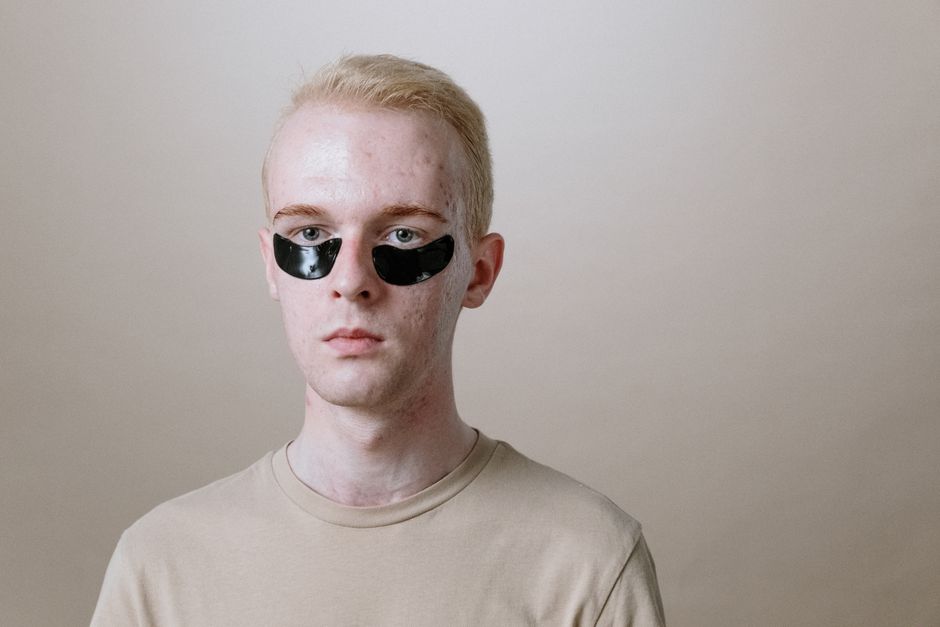
Pimple scars fade on their own for many people, but the process is slow and uneven. What helps most depends on the type of scar you have, because depressed scars, raised scars, and flat dark marks are different problems that respond to different treatments. A dermatologist can identify which type you have and match you to the options with the strongest evidence behind them.
What Are the Different Types of Pimple Scars?
Most people use “scar” to describe several different things, and that matters because the treatment for each one is different. Acne leaves marks that fall into two broad groups: true scars, where the skin’s structure has changed, and discoloration, where the skin’s structure is intact but the color has changed.
True acne scars are mostly atrophic, meaning the skin has lost tissue and sits lower than the surrounding surface. Dermatologists describe several shapes. Ice pick scars are narrow and deep. Boxcar scars have sharper, wider edges. Rolling scars have a wavy, uneven surface. A smaller number of people develop raised scars, where extra tissue builds up. These are called hypertrophic scars, and keloids are a more extreme form that extends beyond the original spot.
Discoloration is not a scar at all. After a pimple heals, the skin often holds extra pigment in that spot. This is called post-inflammatory hyperpigmentation. It is flat, it does not change the texture of the skin, and it fades on its own over months. Many people treat these marks as scars and wonder why scar treatments are not working. The distinction is the single most useful thing to sort out first.
Some people also have post-inflammatory erythema, which is redness left behind rather than brown pigment. It is also flat and also fades over time. Neither red nor brown flat marks respond to treatments designed to rebuild lost tissue.
What Helps Pimple Scars?
For depressed acne scars, the treatments with the most consistent evidence are procedures performed by a dermatologist, not products you apply at home. The strongest body of evidence supports laser resurfacing, microneedling, chemical peels, and subcision. These work by prompting the skin to rebuild collagen, the protein that gives skin its structure and support.
Fractional laser resurfacing uses beams of light to create tiny zones of controlled injury in the skin. The healing response that follows builds new collagen and can raise depressed scars over time. Multiple sessions are typically needed, and results vary by scar type and skin tone. Darker skin tones carry a higher risk of pigment changes after laser treatment, which is one reason a dermatologist’s assessment matters before starting.
Microneedling uses fine needles to create small punctures in the skin, triggering a similar collagen response. It is generally considered less aggressive than laser resurfacing. Some studies suggest it can improve the appearance of acne scars, though results across studies vary and the quality of evidence is not uniform.
Subcision is a procedure where a small needle is inserted under the scar to release fibrous bands that pull the skin downward. It is used mainly for rolling scars. It is often combined with other treatments rather than used alone.
Chemical peels use acids to remove layers of skin and prompt renewal. They can help with both texture and pigmentation. Depth matters: superficial peels are gentler, while deeper peels carry more risk and more recovery time.
One point worth stating plainly: no cream, serum, or supplement has been shown to remove a depressed acne scar. That is not a matter of finding the right product. It reflects the fact that a scar is a structural change in the skin, and topical products do not rebuild that structure.
Do Creams and Serums Help With Acne Marks?
Yes, for flat discoloration. No, for true scars. This is where most over-the-counter marketing gets misleading.
For post-inflammatory hyperpigmentation, ingredients that address pigment can help. These include retinoids, azelaic acid, niacinamide, and vitamin C. Sun protection matters here more than most people realize. Ultraviolet light darkens pigmented spots and slows their fading, so daily sunscreen is one of the most effective things you can do for these marks. Some clinicians also recommend hydroquinone, which is available by prescription in the United States.
For redness left after a pimple, the approach is different. Gentle care and time are the main tools. Some clinicians recommend azelaic acid for redness as well, though the evidence is not as strong as it is for pigmentation.
Products marketed as scar removers often promise more than the evidence supports. A cream that improves the look of dark marks is not the same as a cream that fills in a depressed scar. If a product claims to erase pitting or texture, that claim is not supported by clinical evidence.
What About At-Home Treatments and Dermarollers?
At-home microneedling devices, often called dermarollers, are widely sold and widely discussed online. The evidence for home use is much weaker than for in-office microneedling performed by a trained professional. Home devices vary in needle length and quality, and improper use carries real risks, including infection, scarring, and worsening of pigmentation.
Some clinicians advise against home dermarollers entirely. Others suggest that very shallow devices used carefully may help product absorption, but this is not the same as treating a scar. No strong clinical evidence supports home microneedling as a scar treatment. If you are considering it, that is a conversation to have with a dermatologist, not a decision to make from a product listing.
Other at-home approaches have limited support. Silicone gels and sheets have some evidence for raised scars, particularly when used early and consistently, but the evidence for depressed acne scars is not strong. Massage and moisturizing can support skin health but will not restructure a scar.
How Long Does It Take for Acne Scars to Fade?
Flat discoloration fades on its own, but slowly. Post-inflammatory hyperpigmentation often takes several months to a year or more to clear, and it can linger longer in darker skin tones. Redness from post-inflammatory erythema also fades gradually over months.
True scars do not fade on their own in the same way. Depressed scars are structural and tend to persist. Some soften slightly over time, but they do not typically resolve without treatment. This is why waiting to see if a depressed scar will disappear on its own is usually not the best plan.
Procedural treatments also take time to show results. Collagen remodeling happens over weeks to months, so improvement after laser, microneedling, or subcision builds gradually rather than appearing right away. Many people need multiple sessions spaced weeks apart. Setting realistic expectations matters, because disappointment often comes from expecting a single treatment to erase a scar.
Can You Prevent Pimple Scars?
Preventing acne from becoming scars is more reliable than treating scars after they form. The most effective step is treating active acne early and consistently, especially inflamed acne that is deep or cystic. Deep inflammation is what damages tissue and leads to scarring.
Do not pick or squeeze pimples. Picking increases inflammation and tissue damage and raises the risk of both scarring and dark marks. This is one of the few prevention messages with broad agreement among dermatologists.
Daily sunscreen helps prevent dark marks from deepening. If you are prone to scarring or have severe or cystic acne, seeing a dermatologist earlier rather than later can make a real difference. Prescription treatments for acne can reduce the inflammation that leads to scars in the first place.
When Should You See a Dermatologist?
See a dermatologist if you have deep or cystic acne, if you are developing depressed or raised scars, or if over-the-counter treatments are not controlling your breakouts. These are signs that prescription treatment or procedural care may be appropriate.
A dermatologist can also tell you which type of scar you have, which determines which treatments are likely to help. That assessment is not something you can reliably do from a photo or a product description. It requires looking at the skin and, sometimes, feeling the texture of the scar.
If you have a raised scar that is growing, painful, or extends beyond the original spot, that warrants prompt evaluation, since keloids can be harder to treat once established.
Frequently Asked Questions
Can pimple scars go away on their own?
Flat dark or red marks often fade on their own over months to a year or more. Depressed or raised scars are structural changes and usually do not resolve without treatment.
What is the best treatment for pimple scars?
There is no single best treatment, because it depends on scar type. For depressed scars, laser resurfacing, microneedling, chemical peels, and subcision have the strongest evidence, and a dermatologist can match the option to your skin and scar pattern.
Do scar creams really work on acne scars?
Creams can help with flat discoloration, but no cream has been shown to remove a depressed scar. Claims that a product erases pitting or texture are not supported by clinical evidence.
Is at-home microneedling safe for acne scars?
The evidence for home microneedling as a scar treatment is weak, and improper use carries risks including infection and worsening pigmentation. Discuss it with a dermatologist before trying it.
