
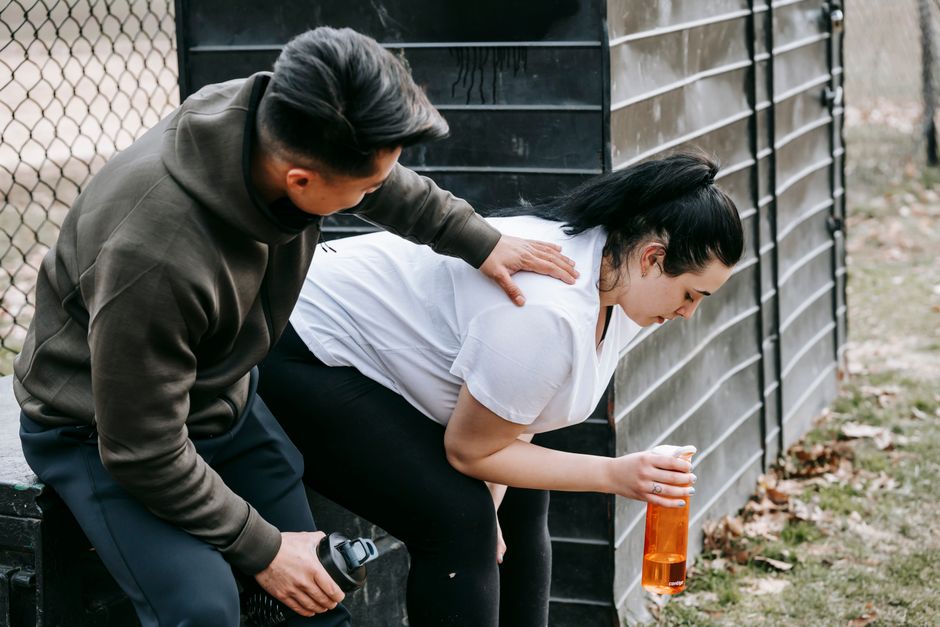
Passing a kidney stone can be some of the worst pain a person can experience. The good news is that most stones will pass on their own with time. The most effective things you can do are drink plenty of water, take over-the-counter pain relievers, and stay as active as your pain allows. While there is no magic trick to instantly dissolve a stone, these steps help your body do what it naturally does best.
What Helps Pass Kidney Stones Naturally?
Drinking water is the single most important step. It increases urine volume, which helps push the stone along the urinary tract. Most people should aim for enough water to produce clear or very light yellow urine.
Movement also matters. Walking and gentle activity can help a stone shift position. If you are lying still in bed, gravity works against you. Simple walking is often enough to encourage movement.
Over-the-counter pain relievers like ibuprofen can help with the discomfort. They do not directly move the stone, but they reduce inflammation around the stone, which can make it easier for urine to flow past it.
How Much Water Should You Drink?
There is no single exact number that works for everyone. A common clinical target is to drink enough to produce about 2 to 2.5 liters of urine per day. For most people, this means drinking roughly 8 to 12 cups of fluid daily.
Your body size, activity level, and climate all change your needs. The most practical guide is your urine color. If it is dark yellow, you need more fluid. If it is pale yellow or clear, you are likely well hydrated.
Water is the best choice. Citrus beverages like lemonade may help because citrate can bind to calcium in the urine, but water remains the foundation of stone passage.
Do Stone Medications Really Work?
Some doctors prescribe a class of drugs called alpha-blockers, such as tamsulosin. These medications relax the muscles in the ureter, the tube that carries urine from the kidney to the bladder. A relaxed ureter can dilate slightly, which may allow a stone to pass more easily.
Research shows these medications help stones pass faster and with less pain in many cases. They are most helpful for stones in the lower part of the ureter, closer to the bladder. They are less helpful for stones still high up near the kidney.
These are prescription medications. You cannot buy them over the counter. Talk to your doctor about whether this is an appropriate option for your specific stone size and location.


How Big Is Your Stone? Size Matters
Stone size is the biggest factor in whether a stone will pass on its own. Stones smaller than 5 millimeters pass without intervention in most cases. Stones between 5 and 10 millimeters have a lower chance of passing spontaneously, but it is still possible.
Stones larger than 10 millimeters rarely pass on their own. These often require medical procedures like lithotripsy, which uses sound waves to break the stone into smaller pieces, or ureteroscopy, where a small scope is used to remove the stone.
Your doctor will determine the size from imaging such as a CT scan or ultrasound. Do not assume a stone will pass just because the pain is manageable. Size is the deciding factor, not pain level.
| Stone Size | Likelihood of Passing Without Intervention |
|---|---|
| Less than 5 mm | High — most pass on their own |
| 5 to 10 mm | Moderate — possible but not guaranteed |
| Larger than 10 mm | Low — usually requires a procedure |
What Does the Pain Actually Mean?
Kidney stone pain is not constant for most people. It comes in waves. This happens because the ureter contracts in rhythmic spasms as it tries to push the stone along. Between contractions, the pain may ease significantly.
Pain location shifts as the stone moves. A stone in the kidney or upper ureter often causes flank pain, which is pain in the side and back. As the stone moves lower, pain may radiate to the lower abdomen and groin.
When the stone reaches the bladder, the sharp pain usually stops. The final step — passing the stone through the urethra — is often painless or only mildly uncomfortable.
When Should You Go to the Emergency Room?
Severe pain alone can justify an emergency visit, especially if your pain is uncontrolled by over-the-counter medication. But there are specific warning signs that require immediate medical attention.
Fever or chills with a kidney stone is a red flag. This can indicate an infection behind the stone, which is a medical emergency. A stone blocking urine flow creates a stagnant pool where bacteria can multiply.
Inability to urinate is another urgent sign. This means the stone may be blocking both kidneys or the bladder outlet. Nausea and vomiting that prevents you from keeping fluids down is also a reason to seek care, as dehydration will only make passage harder.
Does Apple Cider Vinegar or Lemon Juice Help?
There is no clinical evidence that drinking apple cider vinegar dissolves kidney stones. This is a popular internet claim, but it does not hold up to scrutiny. The acidity of vinegar is far too weak to affect a stone, and it does not change urine chemistry in a meaningful way.
Lemon juice has a slightly better basis. Lemons contain citrate, which can bind to calcium and help prevent certain types of stones from forming. Some research suggests that regular lemon consumption may reduce stone formation, but it is not a treatment for a stone that is already present.
Neither of these will speed up passage of a stone you already have. Water remains the only proven dietary intervention for active stone passage.
What Foods Should You Avoid While Passing a Stone?
There is no evidence that changing your diet during the passage phase makes any difference. The stone is already formed. What you eat now will not dissolve it or make it smaller.
Diet matters for prevention, not for active passage. Once the stone is out, your doctor may recommend dietary changes based on the stone’s composition. Calcium oxalate stones, the most common type, may benefit from adequate calcium intake and limited sodium.
Do not stop eating calcium-rich foods out of fear of stones. This is a common mistake. Low dietary calcium can actually increase oxalate absorption, which raises stone risk. Eat normally while passing a stone, and focus on hydration.
Can You Prevent Future Kidney Stones?
Yes, in many cases. The most important prevention step is consistent daily hydration. People who form stones tend to have low urine volume, and increasing fluid intake is the most effective single intervention.
Your doctor may order a 24-hour urine collection test after your stone passes. This test measures the levels of stone-forming substances in your urine. Results guide specific prevention strategies, such as reducing sodium, increasing citrate, or taking certain medications.
Knowing what type of stone you passed matters. A stone that is caught and analyzed can tell you exactly what your body is producing too much of. This turns prevention from guesswork into a targeted plan.
Frequently Asked Questions
How long does it take to pass a kidney stone?
Most stones pass within 1 to 3 weeks of symptoms starting. Smaller stones often pass faster, while larger stones may take longer or require medical help.
Does drinking beer help pass kidney stones?
No. Alcohol is dehydrating, and dehydration makes it harder to pass a stone. Water is the only fluid that reliably helps stone passage.
Can jumping or bouncing help pass a kidney stone?
There is no clinical evidence that jumping dislodges stones. Gentle walking is a reasonable activity, but forceful bouncing has not been shown to help and may increase discomfort.
What is the strongest pain relief for kidney stones?
Prescription nonsteroidal anti-inflammatory drugs like ketorolac are often the most effective for kidney stone pain. Ibuprofen is the strongest common over-the-counter option, but severe pain may require emergency care.
