
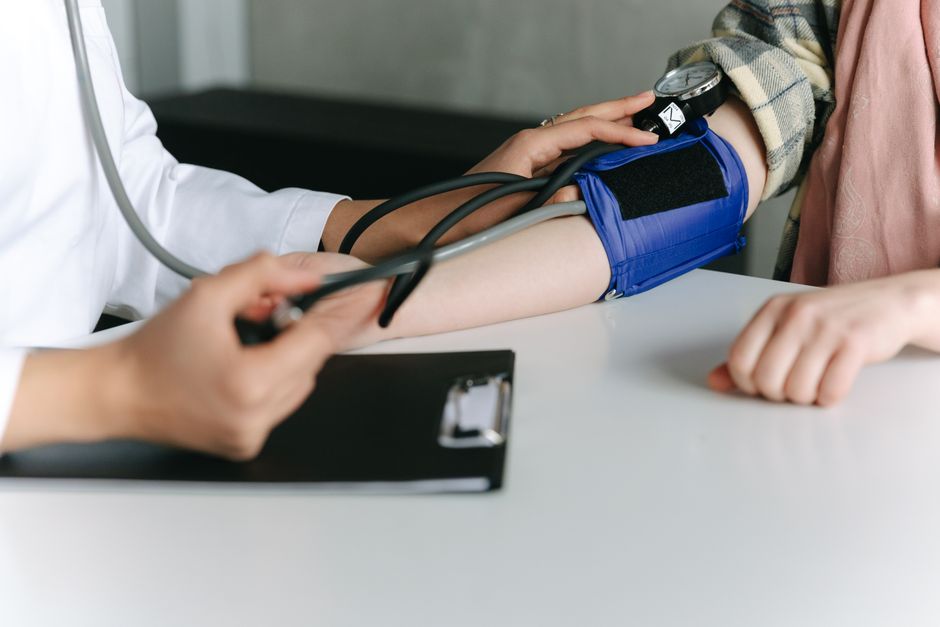
Low blood pressure — doctors call it hypotension — is only a problem when it causes symptoms or drops suddenly. For many people, the fix is practical: drink more water, add a little salt if your doctor agrees, stand up slowly, and wear compression stockings. If an underlying condition or medication is the cause, treating that is the real solution.
Blood pressure below 90/60 mmHg is the usual definition of hypotension. But a number alone does not make it a diagnosis. Some people live at 85/55 and feel fine. Others feel dizzy and faint at 95/65. Symptoms matter more than the reading.
What Counts as Low Blood Pressure?
Low blood pressure is generally defined as a reading below 90/60 mmHg. That is the figure most clinical references use. It is not a disease on its own.
Your body keeps blood pressure in a workable range through a set of reflexes. Baroreceptors — pressure sensors in your neck and chest — detect changes and signal your heart and blood vessels to adjust. When you stand up, these sensors trigger a slight increase in heart rate and a tightening of blood vessels to keep blood flowing to your brain.
When that reflex is slow or blunted, pressure drops when you stand. That is called orthostatic hypotension. It is defined as a fall of at least 20 mmHg in systolic pressure (the top number) or 10 mmHg in diastolic pressure (the bottom number) within three minutes of standing.
Postprandial hypotension is a related pattern — blood pressure falls after eating, as blood pools in the digestive tract. It shows up most often in older adults.
What Are the Symptoms of Low Blood Pressure?
Symptoms are what turn a low reading into something worth treating. Without symptoms, most low readings need no treatment at all.
Common symptoms include:
- Dizziness or lightheadedness, especially when standing up
- Fainting or near-fainting
- Blurred or fading vision
- Fatigue
- Nausea
- Difficulty concentrating
- Cold, clammy, or pale skin
Severe low blood pressure — the kind that comes with shock — is a medical emergency. Warning signs include confusion, rapid shallow breathing, a weak and rapid pulse, and loss of consciousness. Call emergency services if you see these.
What Helps Low Blood Pressure? Tips and Treatments
The right approach depends on why your pressure is low. For people with mild, symptom-based drops, simple daily habits often make a real difference. For others, a medication review or treatment of an underlying condition is what actually works.
Fluids and salt
Dehydration is one of the most common and most fixable causes of low blood pressure. Blood volume falls when you do not take in enough fluid, and pressure falls with it. Drinking more water through the day is a first-line step for many people.
Salt raises blood pressure by helping the body hold onto water. Some clinicians recommend increasing salt intake for certain patients with recurring symptoms. This is not advice for everyone. If you have heart failure, kidney disease, or high blood pressure, extra salt can be harmful. Talk to your doctor before making a change.
Standing up slowly
If you get dizzy when you stand, the timing of your movement matters. Rising in stages gives your reflexes time to adjust. Sit on the edge of the bed for a minute before standing. Clench your fists, cross your legs, or tense your thigh muscles before you rise. These physical counter-maneuvers are well described in the medical literature for managing orthostatic symptoms.
Compression stockings
Compression stockings squeeze the legs and help push blood back toward the heart. They are commonly used for orthostatic hypotension. The evidence for them is reasonable but not overwhelming, and results vary between people. They work best when fitted properly and worn consistently.
Smaller, more frequent meals
If your pressure drops after eating, eating less at one sitting can help. Larger meals send more blood to the gut. Several smaller meals spread through the day may reduce the size of the drop. Some clinicians also suggest limiting alcohol with meals, since alcohol can lower pressure further.
Reviewing medications
Many common medications lower blood pressure as a side effect. Diuretics, some antidepressants, drugs for Parkinson’s disease, and certain heart medications are among them. If your pressure has dropped and you take any of these, a medication review with your doctor is worth doing. Never stop a prescribed medication on your own.
Treating the underlying cause
Low blood pressure can be a symptom of something else. Anemia, thyroid problems, heart conditions, and serious infections can all cause it. When a cause is found and treated, the pressure often corrects itself. This is why a persistent low reading with symptoms deserves a proper medical workup rather than home remedies alone.
What Causes Low Blood Pressure?
There are several distinct pathways to low blood pressure, and identifying which one applies to you shapes what helps.
Blood volume can fall from dehydration, blood loss, or prolonged vomiting and diarrhea. The heart can pump less effectively in certain heart conditions. Blood vessels can widen too much, which happens in some infections and allergic reactions. The nervous system can fail to regulate pressure properly, which occurs in some neurological conditions and with aging.
Pregnancy is a common and normal cause. Blood vessels relax and widen during pregnancy, and pressure often runs lower than usual. This is generally not a concern unless it causes symptoms.
Some people simply have low pressure as their normal baseline. This is called constitutional hypotension. It is not dangerous in itself.
When Should You See a Doctor?
See a doctor if low blood pressure comes with symptoms that affect your daily life. Dizziness that makes you hold onto furniture, fainting, or a pressure reading that has dropped noticeably from your usual level all warrant a check.
Seek urgent care if low pressure is accompanied by confusion, cold and clammy skin, rapid breathing, a weak pulse, or loss of consciousness. These can signal shock, which is life-threatening and needs immediate treatment.
For people with diabetes, older adults, and anyone taking multiple medications, a drop in pressure deserves attention sooner rather than later. The risk of falls and injury from fainting is real, especially with age.
What Does Not Help Low Blood Pressure?
Some popular advice does not hold up. Caffeine raises blood pressure briefly, but the effect is small and short-lived. It is not a reliable treatment for recurring symptoms.
Drinking alcohol lowers blood pressure and can make orthostatic symptoms worse. It is not a remedy.
There is no diet or supplement with strong evidence for raising blood pressure in otherwise healthy people. Marketing claims for various products are not backed by clinical trials. If a product promises to “fix” low blood pressure, treat that claim with skepticism.
One point worth knowing: a low reading on a home monitor is not automatically a problem. Home monitors can read low if the cuff is the wrong size or your arm is positioned incorrectly. If a reading surprises you and you feel fine, recheck it before worrying.
Can Low Blood Pressure Be Prevented?
You cannot always prevent low blood pressure, but you can reduce the chance of symptoms. Staying well hydrated is the most reliable step. Drinking enough fluid through the day, and more in hot weather or during exercise, helps keep blood volume steady.
Rising slowly from sitting or lying down reduces the chance of a dizzy spell. Avoiding long periods of standing still, and moving your legs if you must stand, helps circulation. Eating smaller meals if you are prone to post-meal drops is another practical step.
If you take medications that affect blood pressure, regular check-ins with your doctor help catch problems early. Do not adjust doses on your own.
Frequently Asked Questions
What is the fastest way to raise low blood pressure?
Drinking water and lying down with your legs elevated can raise pressure quickly if dehydration or pooling is the cause. If you feel faint, sit or lie down right away and seek medical help if symptoms do not pass.
Does drinking more water help low blood pressure?
Yes, for many people. Water increases blood volume, which can raise pressure when dehydration is part of the problem. It is one of the simplest and most reliable steps for mild cases.
Is low blood pressure dangerous?
It is not dangerous for most people when there are no symptoms. It becomes a concern when it causes fainting, falls, or signs of shock such as confusion and cold, clammy skin.
Can I raise my blood pressure with food?
There is no food with strong evidence for raising blood pressure in healthy people. Some clinicians suggest slightly more salt for certain patients, but this should only be done with a doctor’s guidance, since excess salt is harmful for many conditions.
