
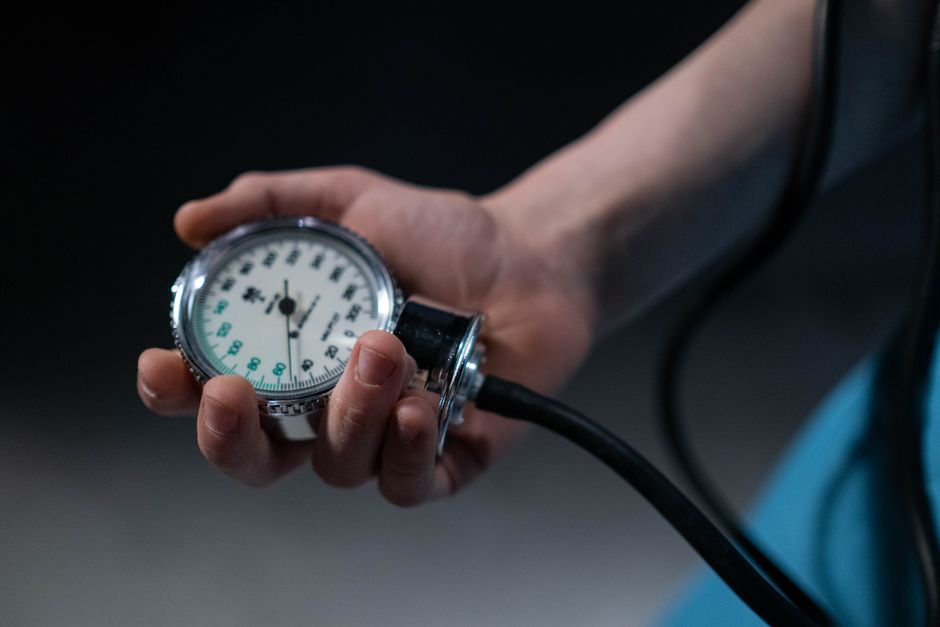
Gauging a staff’s stress level works best when you combine several methods rather than trusting a single signal. Surveys and questionnaires capture how people feel, while measurable data like heart rate variability, sick days, and turnover reveal patterns people may not report. The most reliable picture comes from pairing what employees say with what the numbers show over time.
Stress at work is not a single thing you can measure with one tool. It shows up in emotions, in behavior, in physical health, and in how work gets done. That is why no single method tells the whole story.
Why Is Measuring Staff Stress So Difficult?
Stress is a subjective experience, which makes it hard to pin down with precision. Two people can face the same workload and one thrives while the other struggles.
The body’s stress response is real and measurable. When someone faces sustained pressure, the nervous system releases hormones like cortisol and adrenaline. Heart rate goes up, sleep can suffer, and the immune system can weaken over time. These are well-established physiological responses.
The difficulty is that stress is not the same as a diagnosable condition. There is no blood test for workplace stress. What researchers and employers can measure are markers and outcomes that tend to rise or fall alongside it.
Another problem is underreporting. People often fear that admitting stress will make them look weak or put their job at risk. So surveys can miss the very people who are struggling most. This is why combining self-reported information with objective data matters so much.
What Helps Gauge A Staffs Stress Level Key Methods?
The most useful approach pairs subjective tools with objective measures. Subjective tools capture how people feel. Objective measures capture what is actually happening in their bodies and in the organization.
Neither is complete on its own. Self-reports can be skewed by fear or mood on a given day. Objective data can miss the emotional experience entirely. Used together, they correct for each other’s blind spots.
Here are the main methods, grouped by what they measure.
Self-Reported Methods
- Validated questionnaires: Tools like the Perceived Stress Scale ask people to rate how overwhelmed they feel. These have been studied for decades and give a consistent way to compare across time.
- Pulse surveys: Short, frequent check-ins (often a few questions) that track mood and workload week to week.
- Anonymous feedback channels: Confidential ways for staff to raise concerns without identifying themselves.
- One-on-one check-ins: Regular conversations between managers and staff where workload and pressures can be discussed openly.
Objective and Behavioral Methods
- Heart rate variability (HRV): A measure of the variation in time between heartbeats. Lower HRV is generally associated with higher stress load, though it is influenced by many factors including sleep, fitness, and illness.
- Absence and sick-day patterns: Rising short-term absences can signal strain, though they can also reflect other causes.
- Turnover and exit interviews: Who is leaving and why they say they are leaving.
- Workload data: Hours worked, overtime, task volume, and after-hours messages.
- Employee assistance program usage: How many staff are seeking support, and for what.
HRV is worth a note of caution. It is a genuine physiological signal, but it is not a stress meter. Fitness level, sleep, caffeine, illness, and medications all shift it. Some wearable devices present HRV scores as if they were a direct readout of stress. That framing overstates what the technology can currently do.
How Do Validated Surveys Actually Work?
Validated surveys are questionnaires that researchers have tested to confirm they measure what they claim to measure. That testing is what separates them from ad-hoc questions made up on the spot.
The Perceived Stress Scale is one of the most widely used. It asks people to rate how often they felt certain ways over the past month, such as feeling unable to control important things or feeling confident about handling problems. Scores are then compared against established ranges.
Other tools focus on specific dimensions. The Copenhagen Burnout Inventory separates personal burnout from work-related burnout. The Maslach Burnout Inventory, which is used in research, looks at exhaustion, cynicism, and sense of professional efficacy.
The strength of these tools is consistency. Because they have been tested and compared across many groups, you can track scores over time and see whether things are improving or worsening. A made-up survey cannot do that reliably.
One important limit: a survey measures how someone feels at the moment they fill it out. It does not measure their physiology or predict future health. It is one input, not a verdict.





Can Wearables and Biometric Data Help?
Wearables can collect continuous data on heart rate, HRV, sleep, and movement. That continuous stream is appealing because it does not depend on someone remembering to report how they feel.
The evidence for using consumer wearables to assess workplace stress specifically is still developing. Some studies suggest that patterns in HRV and sleep can track with periods of higher demand. But the research is not yet strong enough to say these devices can reliably diagnose stress in an individual worker.
There are also privacy concerns. Continuous physiological monitoring raises real questions about consent, data ownership, and how the information is used. If data can be tied to an individual and affect their evaluation, people may reasonably change their behavior, which undermines the data itself.
Where wearables have shown more promise is at the group level, looking at trends rather than individuals. A team-wide shift in sleep patterns might prompt a closer look at workload. That is different from judging one person by their device readings.
What Workplace Data Signals Rising Stress?
Organizational data can reveal strain before it shows up in individual health. These signals are indirect, so they need interpretation.
- Rising turnover: Especially when exit interviews mention workload or burnout.
- Increased absences: Short, frequent absences can point to strain, though illness and other factors also play a role.
- Lower engagement scores: A drop in how connected and motivated staff report feeling.
- More conflict or complaints: A rise in interpersonal friction or formal grievances.
- Reduced productivity or quality: More errors, missed deadlines, or slower output.
None of these proves stress on its own. A spike in turnover could reflect a strong job market. A rise in absences could reflect a flu season. The value is in the pattern. When several signals move together and stay elevated, that is a stronger indicator than any single number.
How Do You Use These Methods Together?
The goal is not to collect as much data as possible. It is to build a picture that is honest and useful.
A practical approach starts with a validated survey given at regular intervals, so you have a consistent baseline. Add short pulse checks between the larger surveys. Layer in organizational data you already collect, like turnover and absence rates.
Then look for agreement. If survey scores are worsening and turnover is rising, that is a clear signal. If survey scores are stable but absences are climbing, it is worth asking why. The mismatch itself is information.
Anonymity matters throughout. If people believe their answers can be traced back to them, the data becomes less trustworthy. Group results and protect individual responses.
Finally, measurement is only useful if it leads somewhere. Tracking stress without acting on what you find can make things worse, because it signals that leadership is aware but not responding. The point of gauging stress is to guide changes to workload, support, and how work is organized.
What Are the Limits of These Methods?
Every method here has real limits, and it is worth being clear about them.
Self-reports depend on honesty and self-awareness, both of which vary. Objective measures like HRV are influenced by many factors beyond stress. Organizational data is indirect and can have multiple explanations. No method currently available can measure an individual’s stress level with precision.
What these methods can do is reveal patterns and trends. They can show whether things are getting better or worse over time, and they can point to where to look more closely. That is genuinely useful, even without a perfect measurement.
Anyone claiming a single device or survey can definitively measure staff stress is overstating what the science supports. The honest position is that combining several imperfect methods gives a more reliable picture than any one of them alone.
Frequently Asked Questions
What is the best way to measure stress in employees?
There is no single best method. Combining validated surveys with organizational data like turnover and absence rates gives a more reliable picture than either alone.
Can a smartwatch measure my stress accurately?
Consumer wearables can track heart rate variability and sleep, but they cannot reliably diagnose stress in an individual. Many factors beyond stress affect these readings.
Are workplace stress surveys anonymous?
It depends on how they are set up. Anonymity is important for honest answers, so results should be grouped and individual responses protected.
How often should stress levels be checked?
There is no single recommended schedule. Many organizations use a validated survey at regular intervals with shorter pulse checks in between.
