
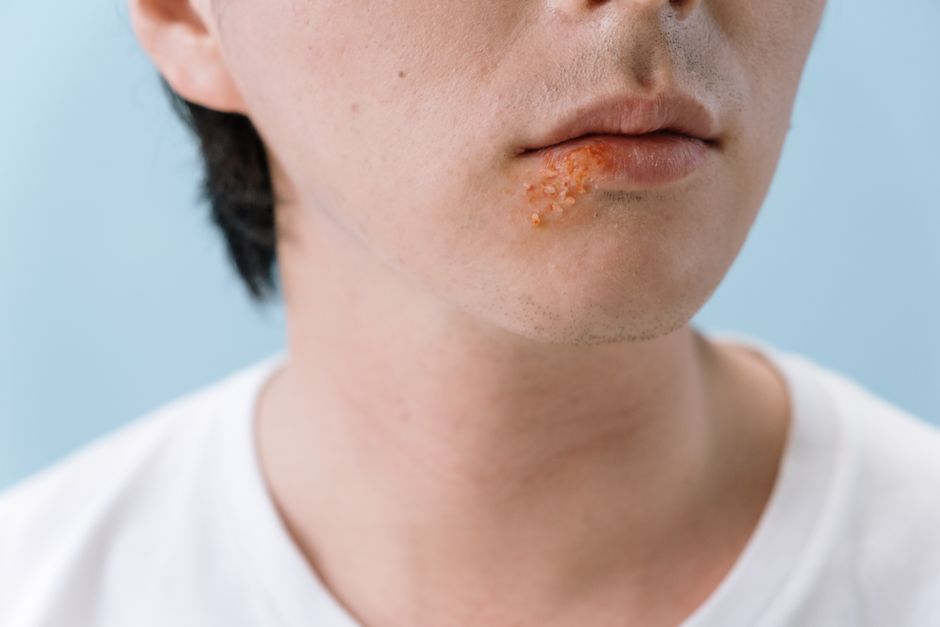
Cold sores are small, fluid-filled blisters that form around the lips and are caused by the herpes simplex virus type 1 (HSV-1). Nothing cures the virus, and no treatment removes it from the body. What helps cold sores is antiviral medicine started early, plus simple care to ease pain and protect the skin while the sore heals on its own.
Most cold sores clear up without treatment in about one to two weeks. Prescription antivirals can shorten that timeline and reduce pain, but only when they are started within the first day or so of symptoms. The single most useful thing you can do is act at the first tingle.
What Helps Cold Sores Most?
Prescription antiviral medication is the most effective option for cold sores. The drugs acyclovir, valacyclovir, and famciclovir are the standard treatments. They do not kill the virus. They slow its ability to multiply, which can reduce how long the outbreak lasts and how severe it becomes.
Timing matters more than anything else. These medicines work best when started during the tingling or itching stage, before blisters appear. Once a blister has fully formed, the benefit is smaller, though treatment can still be considered. This is why some clinicians recommend keeping a prescription on hand so you can start at the first sign.
Antivirals come in several forms:
- Oral tablets, which are generally more effective than creams for outbreaks
- Topical creams, such as acyclovir cream, which may modestly speed healing when used early
- For people with frequent outbreaks, a daily suppressive dose prescribed by a clinician
Which drug, what dose, and how long to take it are decisions for a clinician. Dosing differs by medicine and by whether you are treating an active outbreak or preventing recurrences. No single dose fits everyone, and the right choice depends on your health history.
Do Over-the-Counter Treatments Work?
Over-the-counter products can ease discomfort, but most do not change how fast a cold sore heals. The evidence for creams containing the ingredient docosanol is modest. Some studies suggest a small benefit when used at the first tingle, but results are not strong enough to call it a reliable treatment.
What over-the-counter options can realistically do:
- Pain relief: topical anesthetics like lidocaine or benzocaine can numb the area
- Protection: a lip balm or petroleum jelly can keep the skin from cracking
- Symptom comfort: cool compresses may reduce throbbing
Be careful with numbing creams. Products containing benzocaine should not be used on children under 2 years old because of a rare but serious risk to the blood. For young children, ask a clinician or pharmacist before using any medicated product.
Many drugstore products marketed for cold sores have little clinical evidence behind them. Marketing language like “speeds healing” is not the same as proof. If a product claims to cure cold sores, that claim is not accurate — no product cures HSV-1.
What Can You Do at Home to Ease Symptoms?
Home care will not shorten an outbreak, but it can make the days more comfortable and help prevent the sore from getting infected with bacteria. The skin over a cold sore is broken, so keeping it clean and covered matters.
- Wash the area gently with mild soap and water, then pat dry
- Avoid picking or squeezing blisters — this spreads virus and can lead to infection
- Apply a cool compress for a few minutes at a time to reduce pain
- Use a lip balm with sunscreen once the sore has healed, since sun exposure can trigger recurrences
- Drink enough fluids if eating is uncomfortable
Avoid touching your eyes after touching a cold sore. HSV can infect the eye, which is a medical concern that needs prompt attention. If you notice redness, pain, or a sore near or in the eye, see a clinician right away.


What Triggers Cold Sores and How Can You Prevent Them?
Cold sores recur because HSV-1 stays dormant in nerve cells and reactivates when the body’s defenses dip. Common triggers include emotional stress, physical illness (especially fever), sun exposure, fatigue, and hormonal changes such as menstruation. Not everyone notices a trigger, and some people have outbreaks with no clear cause.
Prevention focuses on reducing reactivation and avoiding spreading the virus to others:
- Use lip balm with sunscreen and shade your face in strong sun
- Get enough sleep and manage stress where you can
- Avoid sharing cups, utensils, towels, and lip products during an outbreak
- Do not kiss others, especially infants, while a sore is present
- Wash hands frequently, particularly after touching the sore
For people who get frequent outbreaks — commonly defined as several per year — a clinician may recommend daily antiviral suppressive therapy. This approach can reduce how often outbreaks happen, though it does not eliminate the virus. Whether it is appropriate depends on your situation and should be discussed with a clinician.
One point worth knowing: HSV-1 is very common. A large share of adults carry it, and many never have symptoms. Having cold sores is not a sign of poor hygiene or a weakened immune system in most healthy people.
When Should You See a Clinician?
Most cold sores are minor and heal on their own. Some situations need medical attention. See a clinician if:
- A cold sore lasts more than two weeks or keeps getting worse
- You have a weakened immune system from illness or medication
- Sores appear near or in the eye
- You have widespread blisters or severe pain
- A sore looks infected — increasing redness, warmth, pus, or fever
- You have frequent outbreaks and want to discuss prevention
Newborns are a special concern. HSV infection in a newborn can be serious and requires urgent medical care. If a newborn develops blisters, fever, or unusual sleepiness, seek care immediately. Anyone with an active cold sore should avoid close contact with infants.
What About Cold Sore Patches and Other Products?
Hydrocolloid patches and similar coverings are widely sold for cold sores. They can protect the sore and may reduce the urge to pick at it. There is limited clinical evidence that they speed healing, so treat them as comfort and protection rather than treatment.
Some people report benefit from lysine, an amino acid sold as a supplement. The evidence is mixed and generally weak. Some small studies suggest a possible reduction in recurrence, but results vary and larger trials have not confirmed a clear benefit. It is not a substitute for antiviral medicine.
Other remedies — tea tree oil, apple cider vinegar, garlic — have no reliable clinical evidence for treating cold sores and can irritate broken skin. Applying harsh substances to an open sore may make it worse.
How Long Does a Cold Sore Last?
An untreated cold sore typically moves through stages over roughly one to two weeks. It usually starts with tingling or itching, then blisters form, then the blisters crust over and heal. Antiviral treatment started early can shorten this course, but it does not make the sore disappear overnight.
The virus stays in the body for life after the first infection, even when no sore is visible. That is normal and expected. Managing outbreaks is about reducing frequency and severity, not eliminating the virus.
Frequently Asked Questions
What is the fastest way to get rid of a cold sore?
Starting a prescription antiviral at the first tingle is the most effective way to shorten an outbreak. Over-the-counter creams may help slightly but are not as reliable as oral antivirals started early.
Does toothpaste help cold sores?
No reliable evidence shows toothpaste helps, and it can dry or irritate the skin. Stick to gentle cleansing and, if needed, a clinician-recommended antiviral.
Can I spread cold sores to other parts of my body?
Yes, the virus can spread through touch, especially to the eyes or broken skin. Wash your hands often and avoid touching the sore.
Are cold sores the same as canker sores?
No. Cold sores are caused by HSV-1 and usually appear outside the mouth, while canker sores are not contagious and form inside the mouth.
