
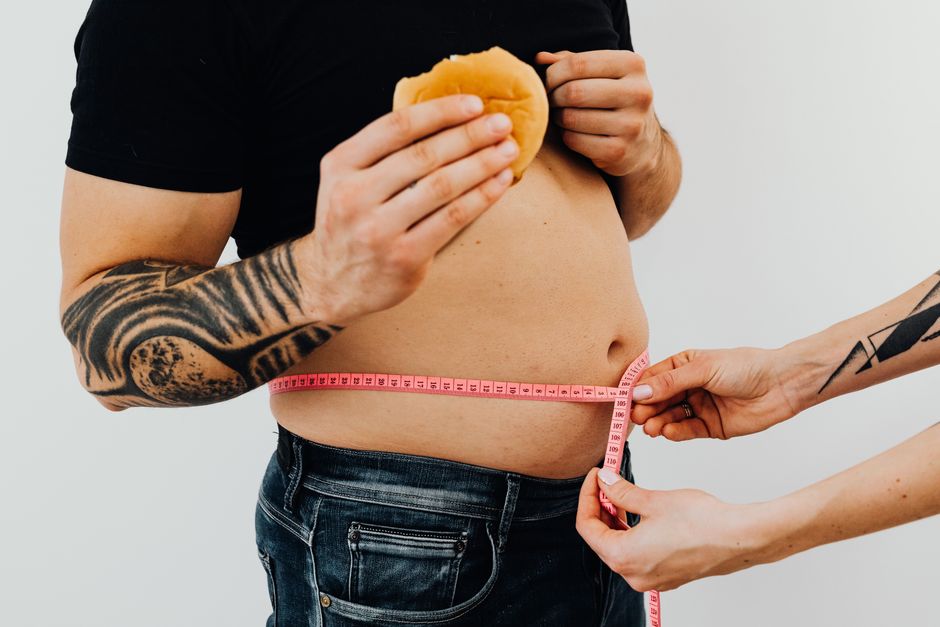
Bloating is the feeling of pressure, fullness, or tightness in your belly — and it rarely shows up at a convenient time. The fastest relief usually comes from releasing trapped gas and easing the bowel, not from eating or drinking something new. Movement, gentle heat, and a few specific physical positions tend to work faster than any food or supplement.
That is the short answer. The longer answer depends on what is actually causing the pressure in your abdomen. Bloating can come from swallowed air, slow digestion, constipation, hormonal shifts, or a reaction to something you ate. Each cause responds to different things. Below is what the evidence supports, what is mostly folklore, and when bloating stops being a minor annoyance and becomes something worth a doctor’s attention.
What Actually Causes Bloating?
Bloating happens when gas, fluid, or stool builds up in the digestive tract and your body cannot move it along quickly. The most common driver is gas trapped in the intestines.
Gas gets there in two main ways. You swallow air when you eat quickly, chew gum, drink through a straw, or sip carbonated drinks. The rest is produced when bacteria in your colon ferment carbohydrates your small intestine did not fully absorb. That second process is why beans, onions, and some dairy products cause gas in certain people — the sugars reach the colon undigested and get fermented there.
Constipation is another frequent cause that gets overlooked. When stool sits in the colon, gas builds up behind it. Many people who describe themselves as “bloated” are simply backed up. Fiber helps over time, but adding a large amount of fiber suddenly can make bloating worse before it gets better.
Hormonal shifts matter too. Many women notice more bloating in the days before a period, and this is well documented. The mechanism involves fluid retention and changes in gut motility, though the exact hormonal pathway is not fully pinned down.
A smaller group of people have bloating tied to specific conditions — irritable bowel syndrome, lactose intolerance, celiac disease, or small intestinal bacterial overgrowth. If bloating is frequent, painful, or comes with other symptoms, that changes the picture.
What Helps Bloat Fast?
Physical movement is the fastest lever most people have. Walking stimulates the muscles of the gut and helps move trapped gas through the system. It does not need to be vigorous — a ten to fifteen minute walk after a meal is often enough to make a difference.
Gentle heat on the abdomen can relax the muscles and ease the sensation of pressure. A warm compress or a heating pad on low setting is a reasonable first move. This is comfort care rather than a proven gas-clearing mechanism, but the relief people report is real and the risk is minimal.
Certain body positions help release trapped gas. Lying on your left side, bringing your knees toward your chest, or getting on your hands and knees with your hips raised can all help move gas through the colon. These positions change the angle of the bowel and give gas a path to travel. They are low-risk and worth trying before anything else.
Gentle abdominal massage, moving in a clockwise direction following the path of the colon, is sometimes recommended by clinicians for gas and constipation. The evidence for it is modest but the practice is safe.
If constipation is the underlying issue, a bowel movement is often the actual solution. Over-the-counter options exist, but they are not instant, and they are not the right first step for everyone. More on that below.
Do Gas Relief Medications Work?
Simethicone is the most common over-the-counter anti-gas ingredient. It works by joining small gas bubbles into larger ones, which are supposedly easier to pass. Whether it reliably reduces bloating symptoms is genuinely debated. Some trials show benefit; others show little difference from a placebo. It is generally well tolerated, which is why it stays on shelves.
Alpha-galactosidase is an enzyme product taken with meals containing beans and certain vegetables. It can reduce gas from those specific foods in some people. It has to be taken with the food to have any chance of working.
Lactase supplements help people who do not produce enough of their own lactase enzyme digest lactose. If dairy is your trigger, this is a targeted fix rather than a general bloating remedy.
Activated charcoal is heavily marketed for gas and bloating. The evidence in humans is weak, and it can interfere with how your body absorbs certain medications. It is not a reliable choice.
Peppermint oil capsules have some research support for irritable bowel syndrome symptoms, including bloating. The evidence is stronger for IBS than for occasional bloating in people without IBS. Peppermint oil can cause heartburn in some people.





What About Food and Drinks?
No food makes bloating disappear quickly. That is worth stating plainly because a lot of marketing implies otherwise.
What you drink matters more than most people expect. Carbonated drinks add gas directly. Drinking quickly or through a straw adds swallowed air. Very cold drinks can trigger cramping in sensitive guts for some people.
Warm liquids — plain water, ginger tea, or peppermint tea — are often soothing. Ginger has some evidence for speeding gastric emptying, which could theoretically help. Peppermint may relax the smooth muscle of the gut. Neither is a fast cure, but both are reasonable and low-risk.
Probiotics get a lot of attention for bloating. The evidence is mixed. Some strains show benefit for certain IBS symptoms in some studies, but results vary widely by strain, dose, and the person taking them. There is no single probiotic proven to relieve bloating quickly.
Fiber is a long-term tool, not a fast one. Soluble fiber can help regulate the bowel over weeks. Adding it suddenly, especially in large amounts, often makes bloating worse in the short term.
When Is Bloating a Sign of Something More Serious?
Occasional bloating is normal. Persistent or worsening bloating is not, and it deserves medical attention.
See a doctor if bloating comes with any of the following:
- Blood in your stool or black, tarry stools
- Unexplained weight loss
- Severe or worsening abdominal pain
- Vomiting, especially if you cannot keep fluids down
- Bloating that does not go away or keeps getting worse
- A firm, swollen abdomen that feels different from usual gas
- New bloating after age 50, especially with other changes in bowel habits
- Fever along with abdominal symptoms
These signs can point to conditions that need evaluation. In some cases, persistent bloating is the first noticeable symptom of ovarian cancer in women, which is why doctors take new and persistent bloating seriously, particularly after menopause. That does not mean bloating usually signals cancer — it almost never does — but persistent bloating without an obvious cause should be checked.
If you have been diagnosed with irritable bowel syndrome, celiac disease, or another digestive condition, your doctor’s guidance takes priority over general advice.
Can You Prevent Bloating Before It Starts?
Prevention is more reliable than treatment. The habits that reduce bloating are not dramatic.
Eat more slowly and chew thoroughly. This reduces how much air you swallow. Skip straws and cut back on carbonated drinks. If you chew gum regularly, that is another source of swallowed air.
Keep your bowel moving. Regular physical activity, adequate water, and consistent fiber intake all help. Constipation and bloating travel together.
If you suspect a specific food triggers your symptoms, a food and symptom diary can help you spot patterns. Eliminating foods on a guess is not a good idea, and long-term elimination diets should be done with professional guidance because they can lead to nutritional gaps.
For people with IBS, a low-FODMAP diet has the strongest evidence of any dietary approach for reducing bloating and other symptoms. It is not a do-it-yourself diet. It involves a structured elimination phase and reintroduction, and it should be supervised by a dietitian familiar with it.
Frequently Asked Questions
What is the fastest way to get rid of bloating?
A short walk and lying on your left side with knees pulled toward your chest are the fastest low-risk options for trapped gas. If constipation is the cause, a bowel movement is the real fix.
Does drinking water help with bloating?
Water helps keep the bowel moving, which can reduce bloating tied to constipation. It will not quickly relieve gas that is already trapped.
Is bloating a sign of something serious?
Occasional bloating is normal and rarely serious. Persistent bloating, bloating with weight loss, blood in the stool, or severe pain should be evaluated by a doctor.
Do probiotics help with bloating?
The evidence is mixed, and results vary by strain and by person. No single probiotic is proven to relieve bloating quickly.
