
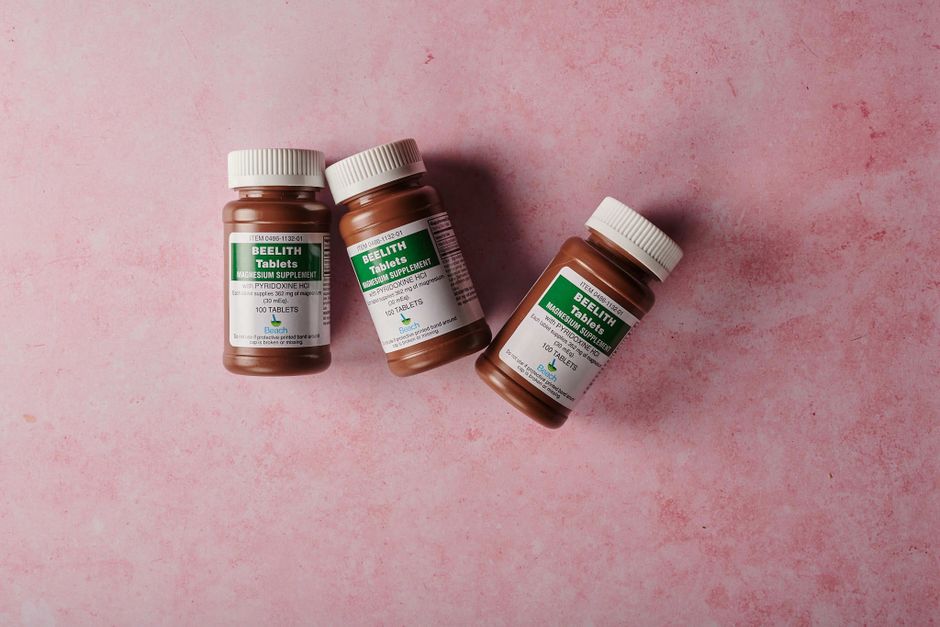
Magnesium is a mineral your body needs for more than 300 enzyme reactions, including those that regulate blood sugar, blood pressure, and muscle and nerve function. But eating magnesium and absorbing magnesium are two different things. The main factors that help absorption are vitamin D status, adequate protein intake, and whether the magnesium comes from food versus a supplement. In healthy people with normal kidney function, the body absorbs roughly 30 to 40 percent of the magnesium from food, and it adjusts that percentage up or down depending on how much you need.
What Helps Absorb Magnesium?
The single biggest influence on magnesium absorption is your body’s own magnesium status. When your levels run low, your gut absorbs a higher percentage of what you eat. When you have plenty, it absorbs less and lets the rest pass through. This is one reason magnesium deficiency is uncommon in people with healthy kidneys and a varied diet.
Beyond that built-in regulation, several factors genuinely help:
- Vitamin D. Vitamin D and magnesium support each other. Some research suggests vitamin D can improve magnesium absorption, and magnesium is needed to activate vitamin D. Low levels of one often track with low levels of the other.
- Protein in the same meal. Protein appears to modestly improve magnesium absorption, though the effect is smaller than the body’s own regulation.
- Food sources over supplements. Magnesium from food is absorbed more gradually and is far less likely to cause digestive upset or overload than a large single dose from a pill.
- Splitting supplement doses. If you take magnesium supplements, smaller doses taken more than once a day are absorbed better than one large dose. Absorption efficiency drops as the dose goes up.
Notice what is not on that list: timing tricks, specific food combinations, or “absorption boosters” sold as add-ons. Most of those have little or no human evidence behind them.
Which Foods Are High in Magnesium?
Food is the most reliable way to get magnesium, and the foods that carry the most of it are fairly consistent across diets.
- Nuts and seeds, especially pumpkin seeds, almonds, cashews, and peanuts
- Legumes, including black beans, kidney beans, and edamame
- Whole grains, such as oats, brown rice, and quinoa
- Leafy greens, including spinach and Swiss chard
- Some fatty fish, such as salmon and mackerel
- Dark chocolate
One practical detail: magnesium sits in the bran and germ of grains, so refining strips much of it out. White rice and white flour carry far less magnesium than their whole-grain versions. That single difference explains a meaningful gap in magnesium intake between people who eat mostly refined grains and those who eat whole grains.
Cooking can also pull magnesium out of food into the water. Boiling vegetables and then discarding the water loses some magnesium, while steaming or roasting keeps more of it in the food. This is a small effect, but it adds up over a diet.
Does Vitamin D Help You Absorb Magnesium?
Vitamin D and magnesium have a two-way relationship, and the evidence for it is reasonably solid. Magnesium is required for the enzymes that convert vitamin D into its active form. At the same time, some studies indicate that adequate vitamin D supports magnesium absorption in the gut.
What this means in practice is that correcting one deficiency while ignoring the other often does not fully work. A person with low vitamin D may struggle to raise it if magnesium is also low, because the body needs magnesium to process that vitamin D. The reverse is also plausible.
This does not mean everyone should take both. It means that if a clinician finds low vitamin D, checking magnesium status is a reasonable step, and the other way around. The relationship is well accepted. The idea that taking extra vitamin D will dramatically boost magnesium absorption in someone who is already sufficient is not well supported.
Do Magnesium Supplements Absorb Well?
Magnesium supplements absorb less efficiently than food, and the form matters. The two most studied forms are magnesium citrate and magnesium oxide, and they behave differently.
| Form | Absorption | Common Use |
|---|---|---|
| Magnesium citrate | Relatively well absorbed | General supplementation; also draws water into the bowel |
| Magnesium oxide | Poorly absorbed | Often used for constipation; low absorption limits its use for raising levels |
| Magnesium glycinate | Generally well tolerated | Often chosen by people who get stomach upset from other forms |
| Magnesium from food | Absorbed gradually and efficiently | Preferred source for most people |
A key point that gets lost in supplement marketing: absorption percentage falls as the dose rises. A small dose may be absorbed fairly well. A large single dose is absorbed less efficiently and is more likely to cause loose stools or cramping. That is why splitting doses across the day tends to work better than taking one big pill.
Some supplement makers claim certain forms are “highly bioavailable” or absorbed far better than others. The differences between forms are real but often smaller than the marketing suggests, and head-to-head human trials are limited. Anyone with kidney disease should talk to a clinician before taking magnesium supplements, because impaired kidneys cannot clear excess magnesium effectively.
What Blocks Magnesium Absorption?
Several things work against magnesium absorption, and most of them are common in everyday diets.
- High-dose zinc supplements. Zinc and magnesium compete for some of the same absorption pathways, so large zinc doses can reduce magnesium uptake.
- Phytates. These compounds in seeds, grains, and legumes bind magnesium and reduce absorption. This is one reason whole grains are not a perfect magnesium source despite their content.
- Large amounts of calcium or iron at the same time. These minerals can compete with magnesium when taken together in supplement form.
- Alcohol. Heavy drinking increases magnesium loss through the kidneys and reduces absorption.
- Certain medications. Some diuretics and proton pump inhibitors are associated with lower magnesium levels.
- Gut conditions. Crohn’s disease, celiac disease, and other conditions that damage the intestinal lining can impair magnesium absorption.
The phytate point deserves a caveat. Phytates reduce magnesium absorption from any single food, but they are part of whole grains and legumes that carry many other benefits. The net effect of eating those foods is still positive. This is not a reason to avoid them.
Who Is Most at Risk for Low Magnesium?
Magnesium deficiency is uncommon in healthy people, but certain groups run a higher risk. Older adults tend to absorb less magnesium and often eat less of it. People with type 2 diabetes lose more magnesium through urine. Those with chronic alcohol use, digestive disorders, or kidney problems are also more vulnerable.
Symptoms of low magnesium can include muscle cramps, fatigue, weakness, and abnormal heart rhythms. These symptoms are not specific to magnesium, though, which makes self-diagnosis unreliable. A clinician can check magnesium status through blood tests, though serum magnesium is an imperfect measure because most of the body’s magnesium is stored in bone and tissue, not blood.
The most useful takeaway is not to chase a single “absorption hack.” The factors that genuinely help are ordinary: eat a varied diet with whole grains, nuts, seeds, and leafy greens; keep vitamin D in a healthy range; avoid large single supplement doses; and talk to a clinician if you have a condition or take a medication that affects magnesium.
Frequently Asked Questions
What helps absorb magnesium the most?
Adequate vitamin D and your body’s own magnesium status are the strongest influences on absorption. Eating magnesium-rich foods rather than relying on a single large supplement dose also helps.
Does vitamin D help you absorb magnesium?
Some studies suggest vitamin D supports magnesium absorption, and magnesium is needed to activate vitamin D. The relationship works in both directions.
Is magnesium citrate or oxide better absorbed?
Magnesium citrate is generally absorbed better than magnesium oxide. Oxide is poorly absorbed, which is why it is more often used for constipation than for raising magnesium levels.
What blocks magnesium absorption?
Large zinc doses, phytates in grains and seeds, heavy alcohol use, and certain medications can reduce magnesium absorption. Some gut conditions also impair it.
