
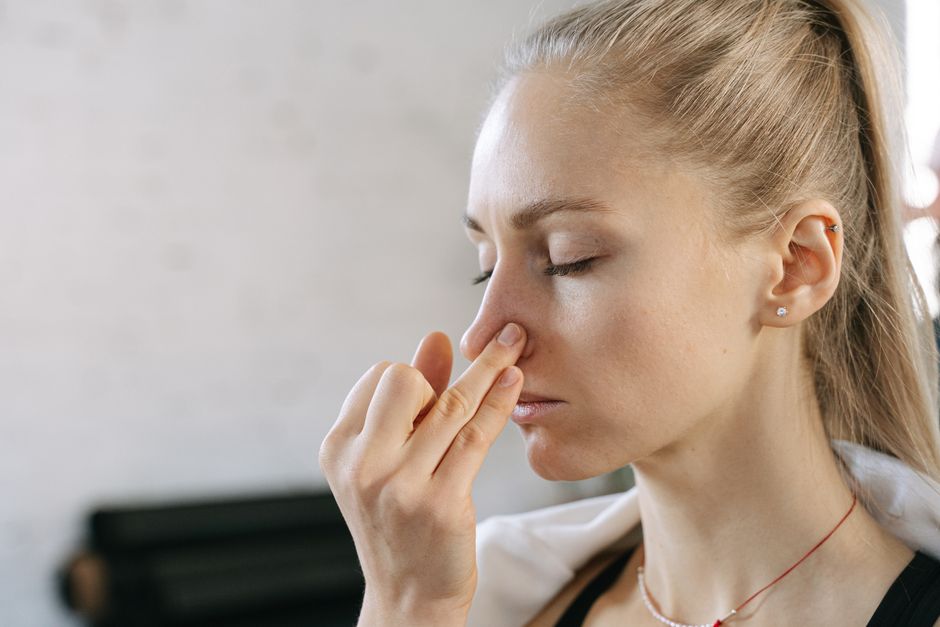
A clogged nose happens when the tissues lining your nasal passages swell and narrow the airway. That swelling is usually caused by inflammation from a cold, allergies, or irritants like smoke or dry air. The most effective things that help are saline rinses, decongestants used for short periods, antihistamines for allergies, and simple measures like steam and staying hydrated. Which one works best depends on what is causing the blockage in the first place.
What Actually Causes a Clogged Nose?
A stuffy nose is not usually caused by mucus plugging your airway. It is caused by swollen blood vessels in the nasal lining.
The tissue inside your nose is packed with tiny blood vessels. When something irritates that tissue — a virus, pollen, dust, cold air — those vessels widen and the tissue swells. The space for air gets smaller. That is why a nose can feel completely blocked even when there is little mucus present.
This matters because it explains why different treatments work differently. Decongestants shrink those blood vessels. Antihistamines block the allergic reaction that triggers the swelling. Saline rinses physically clear irritants and mucus. Each one targets a different part of the problem.
Common causes include:
- Viral infections like the common cold
- Allergic rhinitis from pollen, pet dander, or dust mites
- Dry indoor air, especially in winter
- Irritants such as cigarette smoke or strong chemicals
- Hormonal changes, including during pregnancy
- Certain medications, including some blood pressure drugs
One cause that gets overlooked: rebound congestion. Using decongestant sprays for more than a few days in a row can make the swelling worse, not better. The nose becomes dependent on the spray. This is a real clinical condition, and it can take weeks to resolve once it starts.
What Helps a Clogged Nose Fast?
Saline nasal rinses and short-term decongestants are the fastest options for most people. They work in different ways and can be used together.
Saline rinses flush out mucus, allergens, and irritants. You can use a squeeze bottle, neti pot, or ready-made spray. Research consistently shows saline irrigation reduces nasal symptoms in both colds and allergies. It is safe for regular use and has no rebound effect. If you use a neti pot or rinse bottle, use distilled, sterile, or previously boiled and cooled water. Tap water is not safe for nasal rinsing because of the risk of a rare but serious infection.
Decongestant sprays such as oxymetazoline shrink swollen blood vessels within minutes. They are effective, but they should not be used for more than three days in a row. After that, rebound congestion becomes likely.
Oral decongestants like pseudoephedrine also reduce swelling. They work more slowly than sprays but last longer. They can raise blood pressure and cause sleeplessness, so they are not appropriate for everyone. People with high blood pressure, heart disease, or thyroid conditions should check with a clinician first.
Antihistamines help only when allergies are the cause. They do nothing for a cold. Older antihistamines like diphenhydramine cause drowsiness. Newer ones like loratadine and cetirizine are less sedating.
Do Home Remedies for a Stuffy Nose Work?
Some home remedies have real evidence behind them. Others do not.
Steam and humidity. Breathing in warm, moist air can temporarily ease the feeling of blockage. The evidence for steam inhalation specifically is mixed — some studies show modest symptom relief, others show little difference. It is not harmful and many people find it comforting. A cool-mist humidifier in the bedroom may help if dry air is the trigger.
Warm fluids. Drinking warm tea or broth does not shrink swollen tissue, but it can loosen mucus and soothe a sore throat. Staying hydrated overall helps keep nasal secretions thinner.
Elevating your head while sleeping. Lying flat makes blood pool in the nasal lining and can worsen congestion. Sleeping with your head slightly raised may reduce that effect.
Spicy foods. Compounds in chili peppers can trigger temporary mucus flow and a brief feeling of clearing. This is short-lived and not a treatment for the underlying cause.
Essential oils and menthol. Menthol does not actually open your airway. It stimulates cold receptors in your nose, which creates the sensation of easier breathing. The blockage is still there. This is a perception effect, not a physical one.
What does not work: antibiotics for viral colds, vitamin C megadoses for prevention, and most “immune booster” supplements marketed for congestion. No clinical evidence confirms these help.



When Should You See a Doctor for a Clogged Nose?
Most clogged noses clear up on their own within a week to ten days. A cold typically peaks around day three and improves from there.
See a clinician if:
- Symptoms last more than ten days without improving
- Symptoms improve then suddenly get worse — this can signal a sinus infection
- You have facial pain, pressure, or swelling around the eyes
- You have a fever above 102°F (38.9°C)
- You notice blood in your nasal discharge
- Congestion is one-sided and persistent
- You have vision changes or severe headache
Chronic congestion lasting more than twelve weeks may point to non-allergic rhinitis, nasal polyps, a deviated septum, or chronic sinusitis. These need evaluation, not just over-the-counter remedies.
Children and infants need different care. Decongestant sprays and oral decongestants are not recommended for young children. For infants, saline drops and a bulb syringe are the standard approach. No clinical guidelines support giving cold medications to children under age four.
How Do You Prevent a Clogged Nose From Coming Back?
Prevention depends on what is triggering the congestion.
If allergies are the cause, reducing exposure matters more than any treatment. Wash bedding weekly in hot water. Use allergen-proof covers on pillows and mattresses. Keep windows closed during high-pollen days. Run a HEPA filter in the bedroom.
If dry air is the problem, keep indoor humidity between 30% and 50%. Below 30% dries out nasal tissue. Above 50% encourages mold and dust mites.
If colds are the trigger, handwashing remains the most reliable prevention. The virus spreads mainly through contact with contaminated surfaces and then touching your face.
For people with chronic non-allergic rhinitis, avoiding sudden temperature changes, strong odors, and alcohol may reduce episodes. Some clinicians recommend daily saline rinses as a maintenance measure, though the evidence for prevention specifically is not as strong as the evidence for symptom relief.
Which Treatment Should You Choose?
The right option depends on the cause and how long symptoms have lasted.
| Cause | Best First Option | Also Consider |
|---|---|---|
| Cold or virus | Saline rinse | Short-term decongestant spray |
| Allergies | Antihistamine | Saline rinse, steroid nasal spray |
| Dry air | Humidifier | Saline spray |
| Chronic congestion | See a clinician | Prescription steroid spray |
Steroid nasal sprays like fluticasone reduce inflammation over time. They are not fast-acting. They may take several days to weeks to reach full effect. They are considered first-line treatment for allergic rhinitis and are often prescribed for chronic sinusitis. They are generally safe for long-term use when used as directed.
Combining treatments is reasonable. A saline rinse followed by a steroid spray is a common clinical approach for allergic and chronic congestion. Decongestant sprays should stay short-term regardless of what else you use.
Frequently Asked Questions
How long does a clogged nose usually last?
A cold-related clogged nose typically improves within seven to ten days. Allergic congestion lasts as long as you are exposed to the allergen.
Can I use decongestant spray every day?
No. Decongestant sprays should not be used for more than three days in a row. Longer use can cause rebound congestion that is worse than the original problem.
Does menthol actually clear a blocked nose?
No. Menthol creates the sensation of clearer breathing by stimulating cold receptors, but it does not reduce swelling or open the airway. The physical blockage remains.
Is tap water safe for a neti pot?
No. Only use distilled, sterile, or previously boiled and cooled water for nasal rinsing. Tap water can carry organisms that cause serious infection.
