
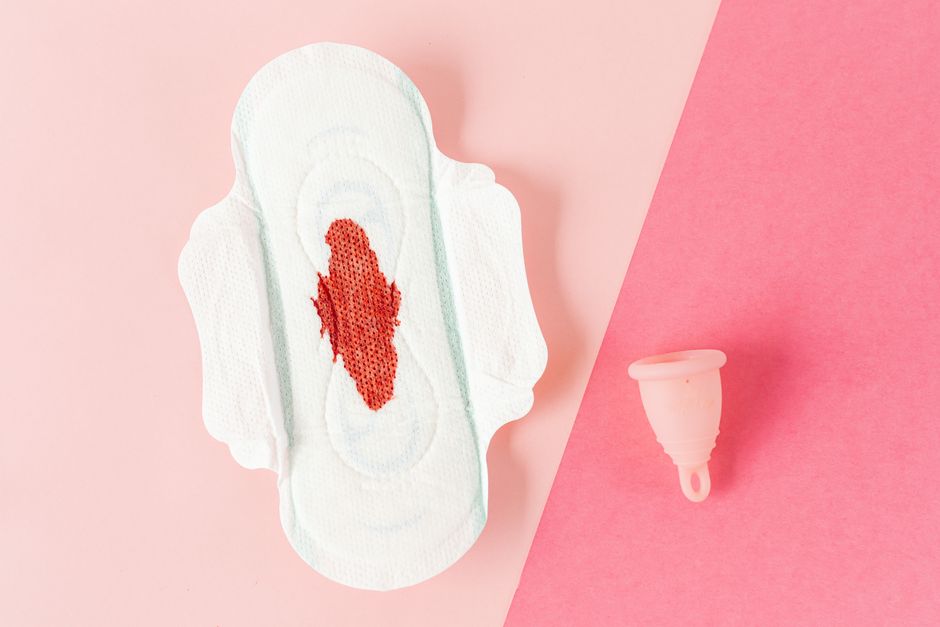
Menstrual blood tells you something about your body every month, and most people never get a straight answer about what is normal. Healthy period blood is typically red to dark red, ranges from bright to brownish as the period progresses, and may contain small clots. It usually lasts three to seven days, and a normal flow is roughly 30 to 80 milliliters (about two to six tablespoons) over the entire period. If you are soaking through a pad or tampon every hour for several hours, passing clots larger than a quarter, or bleeding between periods, that is worth a call to a clinician.
What Does Healthy Period Blood Normally Look Like?
Period blood is not the same as the blood from a cut. It is a mix of blood, uterine lining tissue, and cervical mucus. That mixture changes how it looks and feels.
At the start of a period, flow is often heaviest and the color tends to be bright red or a deeper red. As the period winds down, the flow slows and the blood has more time to oxidize — meaning it reacts with oxygen — which turns it brown or dark. Brown blood at the end of a period is normal. So is brown blood at the very start, when old blood from the previous cycle is clearing out.
Small clots are also normal. The body releases anticoagulants to keep menstrual blood from clotting inside the uterus, but when flow is heavy the anticoagulants cannot always keep up. Clots smaller than a quarter are generally considered normal. Clots larger than a quarter are worth mentioning to a doctor.
What healthy period blood is not: gray, watery discharge with a foul odor, or bright red bleeding that soaks through protection every hour. Those patterns point to something that needs medical attention.
What Do the Different Period Blood Colors Mean?
Color is one of the most useful signals a period gives you, but it is also one of the most misunderstood. Color alone rarely confirms a diagnosis. It is a clue, not a verdict.
Bright red usually means fresh, fast-flowing blood. It is most common on the heaviest days.
Dark red or maroon typically means the blood has been sitting in the uterus or vagina a bit longer. It often shows up mid-period or on lighter days.
Brown or black means the blood is older and has oxidized. This is common at the beginning or end of a period. Black blood can look alarming, but on its own it usually just means slow flow.
Pink or watery blood can happen when blood mixes with cervical fluid. It can also show up with low estrogen levels, which some people experience around perimenopause or with certain hormonal birth control methods.
Gray discharge is different. Gray, thin discharge with a foul odor can be a sign of infection, including bacterial vaginosis. That combination warrants a medical visit.
Orange or rusty blood is less common and usually reflects blood mixed with cervical fluid. If it comes with itching, burning, or unusual odor, get it checked.
A single unusual color in one cycle is rarely a concern on its own. A pattern that repeats across cycles is more meaningful.
How Much Bleeding Is Normal During a Period?
Heavy menstrual bleeding is far more common than most people realize, and it is also widely underreported. Many people assume their flow is normal because it has always been that way.
Clinically, a period is considered heavy when it meets certain thresholds. Bleeding that lasts more than seven days, requires changing protection every hour for several consecutive hours, or involves clots larger than a quarter is generally classified as heavy menstrual bleeding. So is needing to double up on pads, or bleeding through clothing or bedding.
Heavy bleeding is not just an inconvenience. It can lead to iron-deficiency anemia, which causes fatigue, shortness of breath, and pale skin. If you are consistently tired during or after your period, that is worth investigating.
Common causes of heavy bleeding include uterine fibroids, hormonal imbalances, thyroid conditions, and bleeding disorders. Some of these are treatable. None of them should be dismissed as “just a heavy period.”
Light bleeding is not automatically a problem either. Some people naturally have lighter periods, and hormonal birth control often reduces flow. But a period that suddenly becomes much lighter, or stops altogether, can signal low estrogen, thyroid issues, or other conditions.





When Should You Worry About Period Blood?
Most changes in period blood are not dangerous. But certain patterns are worth a medical evaluation without waiting for the next cycle.
See a clinician if you notice any of the following:
- Soaking through a pad or tampon every hour for several hours in a row
- Passing blood clots larger than a quarter
- Bleeding between periods or after sex
- Bleeding that lasts longer than seven days
- Gray or foul-smelling discharge
- Severe pain that does not improve with over-the-counter pain relievers
- Bleeding after menopause — any amount, at any time
- Signs of anemia: fatigue, dizziness, shortness of breath, pale skin
Bleeding after menopause deserves special attention. Any vaginal bleeding after menopause is considered abnormal until proven otherwise and should be evaluated promptly. This is a well-established clinical rule, not a cautious suggestion.
Bleeding between periods, called intermenstrual bleeding, can have many causes. Some are minor, like hormonal fluctuations. Others, including cervical polyps, fibroids, and in some cases precancerous changes, need to be ruled out. The only way to know is to be examined.
Does Period Blood Change With Age or Birth Control?
Yes. Both age and hormonal birth control change how period blood looks and how much of it there is.
In the years after menarche — a person’s first period — cycles are often irregular and flow can vary widely. This is because the hormonal feedback loop between the brain and ovaries is still maturing. It can take a few years for cycles to settle into a predictable pattern.
In the years leading up to menopause, known as perimenopause, cycles often become unpredictable again. Periods may get heavier, lighter, closer together, or further apart. Flow may be different from one month to the next. This is a normal part of the transition, but heavy or prolonged bleeding during perimenopause still deserves evaluation, because the risk of uterine conditions rises with age.
Hormonal birth control changes bleeding in predictable ways. Combined oral contraceptives, the patch, and the ring often make periods lighter, shorter, and sometimes darker or brownish. The hormonal IUD typically reduces flow significantly over time and may eventually stop periods altogether. That is expected and not a sign of a problem.
One clarification worth making: bleeding on hormonal birth control is not a true menstrual period. It is a withdrawal bleed caused by the drop in hormones during the placebo week. It does not reflect the same hormonal cycle as an unmedicated period, and it does not need to follow the same patterns.
What Causes Blood Clots During a Period?
Clots form when blood sits long enough to coagulate. During a period, the uterus releases anticoagulant proteins to keep the blood flowing. When flow is heavy, those proteins can be overwhelmed, and clots form.
Small clots — smaller than a quarter — are common and usually not a concern. They tend to appear on the heaviest days, often in the morning after lying down for hours.
Larger clots are a different story. Clots larger than a quarter are one of the clinical signs of heavy menstrual bleeding and should be evaluated. They can be associated with fibroids, hormonal imbalance, or other conditions that cause heavy flow.
Passing one large clot once is not necessarily alarming. Passing large clots repeatedly, cycle after cycle, is a pattern that needs attention.
What About Period Blood That Smells Different?
Menstrual blood has a natural odor. Blood mixed with cervical fluid and vaginal bacteria produces a smell that is normal and varies from person to person.
A strong, foul, or fishy odor is different. That kind of odor, especially with gray or thin discharge, can indicate bacterial vaginosis or another infection. These are common and treatable, but they do not resolve on their own reliably.
Using scented products, douching, or leaving a tampon in too long can also change the odor and irritate the vagina. Douching is not recommended by clinicians because it disrupts the vagina’s natural bacterial balance and can make things worse.
If a tampon has been left in place for longer than recommended and you develop a sudden high fever, rash, dizziness, or muscle aches, seek emergency care immediately. Those can be signs of toxic shock syndrome, a rare but serious condition.
Frequently Asked Questions
Is brown period blood normal?
Yes, brown period blood is normal, especially at the start or end of a period when flow is slow and blood has oxidized. It only becomes a concern if it comes with a foul odor, gray discharge, or other unusual symptoms.
How much period blood is too much?
Bleeding that soaks through a pad or tampon every hour for several hours, lasts longer than seven days, or involves clots larger than a quarter is considered heavy menstrual bleeding. This pattern warrants a medical evaluation because it can lead to anemia and may signal an underlying condition.
Can period blood be black and still be normal?
Yes, black period blood is usually just older blood that has oxidized, and it commonly appears at the beginning or end of a period. Black blood with a foul odor or gray discharge is different and should be checked by a clinician.
Should I worry about bleeding between periods?
Bleeding between periods is not normal and should be evaluated by a clinician. It can have minor causes like hormonal shifts, but it can also signal polyps, fibroids, or other conditions that need to be ruled out.
