
Some of the most nutritious foods in the world are also among the most calorie-dense. Nuts, seeds, olive oil, avocados, nut butters, and fatty fish pack a lot of calories into small portions — not because they are unhealthy, but because fat contains 9 calories per gram, compared with 4 calories per gram for both protein and carbohydrates. That simple fact explains why a handful of almonds can carry as many calories as a large apple, and why these foods deserve attention if you are watching your weight or trying to gain it.
What Healthy Foods Are High In Calories?
Calorie density comes down to water content and fat content. Foods high in water — like lettuce, cucumber, and watermelon — are low in calories by volume. Foods low in water and high in fat are the opposite.
These foods are calorie-dense and also carry real nutritional value:
- Nuts — almonds, walnuts, pecans, cashews, pistachios, macadamias
- Seeds — sunflower, pumpkin, chia, flax, sesame, hemp
- Nut and seed butters — peanut butter, almond butter, tahini
- Oils — olive, avocado, canola, coconut
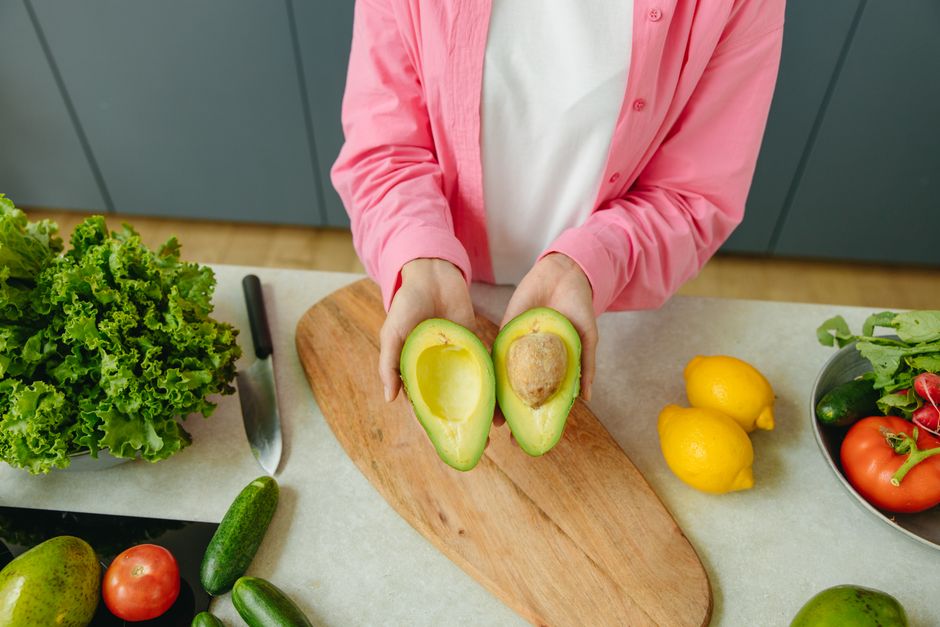
- Avocados
- Fatty fish — salmon, mackerel, sardines, herring
- Cheese — cheddar, parmesan, gouda
- Dark chocolate — typically 70% cacao or higher
- Dried fruit — raisins, dates, figs, dried apricots
- Whole grains in dense forms — oats, granola, quinoa
- Legumes in concentrated forms — hummus, refried beans, tempeh
What makes these foods “healthy” is not their calorie count. It is what comes with the calories: unsaturated fats, fiber, protein, vitamins, minerals, and in some cases beneficial plant compounds. A candy bar and a handful of walnuts may deliver similar calories, but they do not deliver the same nutrition.
How Many Calories Do These Foods Actually Contain?
Exact numbers vary by variety, brand, and preparation. The figures below reflect standard reference values from the USDA. They are approximate but reliable for planning purposes.
| Food | Portion | Approximate Calories |
|---|---|---|
| Olive oil | 1 tablespoon | 119 |
| Peanut butter | 2 tablespoons | 190 |
| Almonds | 1 ounce (about 23 nuts) | 164 |
| Walnuts | 1 ounce (about 14 halves) | 185 |
| Chia seeds | 1 ounce (about 2 tablespoons) | 138 |
| Avocado | Half a medium avocado | 160 |
| Salmon (Atlantic, cooked) | 3 ounces | 175 |
| Cheddar cheese | 1 ounce | 115 |
| Dark chocolate (70–85%) | 1 ounce | 170 |
| Dates (Medjool) | 2 dates | 133 |
Two things stand out. First, the calorie counts are concentrated — a single tablespoon of oil rivals a full cup of many vegetables. Second, portions matter more than most people realize. A “handful” of nuts can easily be two or three ounces, which triples the calorie load without feeling like a larger meal.
Why Do High-Calorie Healthy Foods Get a Bad Reputation?
Decades of diet culture taught people to equate “low calorie” with “healthy.” That framing is not supported by nutrition science.
Fat was heavily demonized starting in the 1980s, when low-fat products flooded grocery shelves. Many of those products replaced fat with added sugar and refined starch to preserve taste and texture. The result was foods that were lower in calories per serving but often less satisfying and less nutritious.
Current dietary guidance from major health organizations recognizes that unsaturated fats — the kind found in olive oil, nuts, seeds, and fish — are part of a healthy eating pattern. The 2020–2025 Dietary Guidelines for Americans include these foods as core components of recommended eating patterns. They are not treated as foods to avoid.
The confusion persists because calorie density and nutritional quality are two separate things. A food can be high in calories and high in nutrition at the same time. That is exactly what these foods are.
Are High-Calorie Healthy Foods Good for Weight Loss?
They can be — but the evidence is nuanced.
Some studies suggest that nuts, despite being calorie-dense, do not lead to the weight gain you might expect when eaten in moderation. There are a few proposed reasons. Nuts require chewing, which slows eating. Their fiber and fat content promotes fullness. And not all of the fat in nuts is fully absorbed during digestion, so the actual calories your body takes in may be somewhat lower than the label states.
But this does not mean calories stop counting. A large handful of nuts on top of an already adequate diet adds calories. Whether that leads to weight gain depends on your total intake and activity level.
For weight loss, the practical approach is portion awareness, not avoidance. Measure nut butters rather than estimating. Use oils deliberately rather than pouring freely. Pair calorie-dense foods with high-volume, low-calorie foods like vegetables and lean proteins so meals feel satisfying without being excessively calorie-heavy.
For weight gain or recovery from illness, these foods are genuinely useful. They allow you to increase calorie intake without eating large volumes of food, which matters for people with small appetites or high energy needs.
What About “Treatment Options” for High-Calorie Eating?
This is where the search intent behind this topic often gets misunderstood. There is no medical treatment for eating healthy high-calorie foods, because eating them is not a medical condition.
What people are usually asking about falls into two categories.
If you are trying to manage your weight: The approach is behavioral and dietary, not medical. Portion control, meal planning, and awareness of calorie density are the tools. Some clinicians recommend keeping calorie-dense foods in pre-portioned containers rather than eating from the package. Others suggest treating nuts, seeds, and oils as condiments or toppings rather than standalone snacks. These are common strategies, though the evidence for any single approach being superior is limited.
If you have a diagnosed condition: People with conditions that affect weight, appetite, or metabolism — such as hypothyroidism, polycystic ovary syndrome, or type 2 diabetes — should discuss dietary changes with their healthcare provider. Calorie needs and macronutrient balance can differ meaningfully depending on the condition and any medications involved.
There is no supplement, pill, or program that specifically “treats” eating high-calorie healthy foods. Marketing that suggests otherwise is not supported by clinical evidence.
How Should You Fit These Foods Into Your Diet?
The answer depends on your goal.
If you are maintaining weight, these foods can be part of a balanced pattern — just not in unlimited amounts. A tablespoon of olive oil on a salad, a small handful of nuts as a snack, or half an avocado on toast are reasonable additions that add nutrition without overwhelming your daily calorie budget.
If you are trying to lose weight, use them strategically. They add flavor, satiety, and nutrients, but they need to fit within your overall intake. Weighing or measuring for a few weeks can help you calibrate your sense of portion size.
If you are trying to gain weight, these are among the most efficient foods available. Adding nut butter to oatmeal, drizzling olive oil over vegetables, or including fatty fish in meals several times a week can increase calories significantly without making meals feel enormous.
One point worth clarifying: “healthy” does not mean “eat freely.” Olive oil is not a low-calorie food because it is heart-healthy. Avocados do not become calorie-free because they contain potassium and fiber. The nutrition is real. So are the calories.
Frequently Asked Questions
What is the most calorie-dense healthy food?
Oils are the most calorie-dense, at about 120 calories per tablespoon. Nuts, seeds, and nut butters follow closely, ranging from roughly 160 to 200 calories per ounce or two-tablespoon serving.
Can eating nuts every day cause weight gain?
Not necessarily, based on current evidence. Some studies suggest moderate nut intake does not promote weight gain, but eating large portions on top of your regular diet can still add excess calories.
Are avocados high in calories?
Yes. Half a medium avocado contains about 160 calories. That is calorie-dense for a fruit, though avocados also provide fiber, potassium, and unsaturated fat.
Should I avoid high-calorie healthy foods if I am trying to lose weight?
No. You do not need to avoid them. Portion awareness and fitting them into your overall calorie intake is the practical approach most clinicians recommend.
