
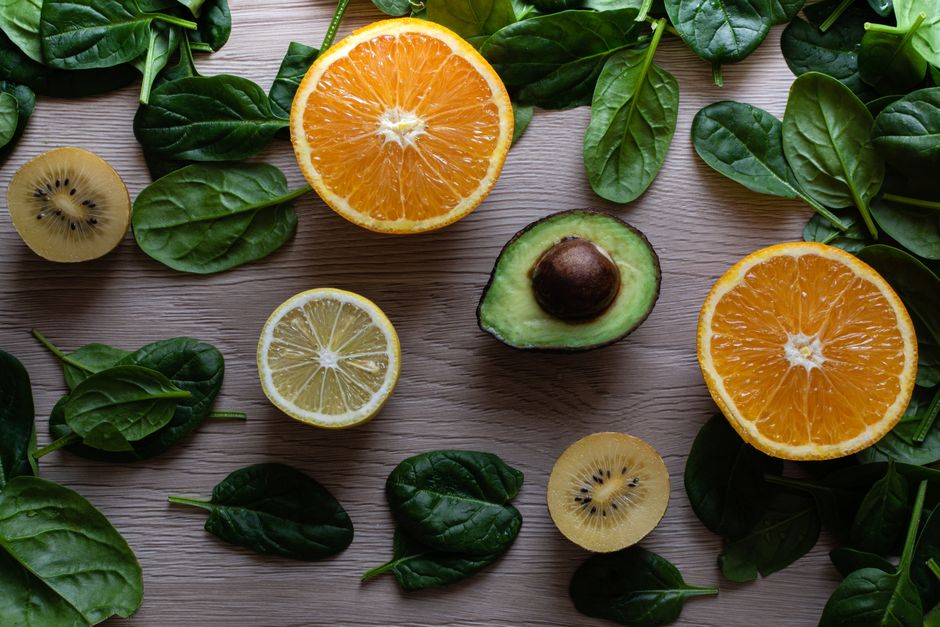
Vitamin C is found in a wide range of fruits and vegetables, but the richest everyday sources are citrus fruits, bell peppers, strawberries, kiwi, broccoli, and tomatoes. Red bell peppers are among the highest sources by weight, delivering more vitamin C per serving than an orange. Because vitamin C is water-soluble and sensitive to heat, how you store and cook these foods affects how much you actually get.
What Are the Best Food Sources of Vitamin C?
Whole foods beat supplements for most people, and the list of good sources is longer than many realize. The table below uses values from the USDA FoodData Central database. Amounts are approximate and vary with ripeness, variety, and how the food was stored.
| Food (raw, unless noted) | Vitamin C per typical serving |
|---|---|
| Red bell pepper, ½ cup | About 95 mg |
| Orange, 1 medium | About 70 mg |
| Kiwi, 1 medium | About 64 mg |
| Green bell pepper, ½ cup | About 60 mg |
| Broccoli, ½ cup cooked | About 50 mg |
| Strawberries, ½ cup | About 49 mg |
| Brussels sprouts, ½ cup cooked | About 48 mg |
| Tomato, 1 medium | About 16 mg |
Notice that a half-cup of raw red bell pepper carries more vitamin C than a whole orange. That surprises many people. Peppers rarely appear on lists of “vitamin C foods,” yet they are one of the strongest sources available in a US grocery store.
Other solid contributors include papaya, guava, cauliflower, kale, potatoes with the skin on, and fortified juices. Potatoes get overlooked, but a baked potato with skin provides a meaningful amount, and potatoes are a major dietary source for people who eat them regularly.
How Much Vitamin C Do You Actually Need?
The recommended dietary allowance for adults is 90 mg per day for men and 75 mg per day for women, set by the National Academies. Smokers need an additional 35 mg daily because tobacco smoke increases oxidative stress and speeds up vitamin C turnover in the body.
Pregnancy raises the recommendation to 85 mg per day, and breastfeeding to 120 mg per day. These figures come from established dietary reference intakes, not from marketing claims.
Here is the practical takeaway. One medium orange or half a red bell pepper covers most of a day’s requirement for an adult. You do not need to chase high doses from food. A varied diet that includes a few servings of fruit and vegetables daily typically meets the target without effort.
The upper limit for adults is 2,000 mg per day from supplements. That ceiling exists because very high intakes can cause digestive upset and, in people with a history of kidney stones, may raise risk. Food sources do not realistically push you near that limit. You would have to eat an implausible volume to get there.
Does Cooking Destroy Vitamin C?
Cooking reduces vitamin C, but it does not eliminate it. The vitamin is water-soluble and heat-sensitive, so it leaches into cooking water and degrades with prolonged heat. How you cook matters more than whether you cook.
Steaming and quick stir-frying preserve more vitamin C than boiling. Boiling vegetables in a large volume of water pulls the vitamin into the water, which is then poured down the drain. If you boil, using the cooking liquid in a soup or sauce keeps some of what leached out.
Microwave cooking with minimal water tends to retain vitamin C well because it cooks fast. Roasting is somewhere in the middle. Cutting vegetables into smaller pieces increases surface area and speeds loss, so larger cuts hold onto more.
Storage also plays a role. Vitamin C declines during long storage, so a pepper that has sat in the refrigerator for two weeks has less than a fresh one. Produce that is transported long distances and stored for extended periods loses some vitamin C before it reaches your kitchen. Frozen produce is often picked and frozen at peak ripeness, which can preserve vitamin C levels comparable to fresh produce that has traveled far.




Are Supplements as Good as Food Sources?
For most healthy adults eating a varied diet, supplements add little. The evidence does not show that routine vitamin C supplementation prevents colds in the general population. Research has found that regular supplementation may modestly shorten how long a cold lasts, but it does not appear to reduce how often adults get them.
Certain groups do have higher needs or absorption challenges. Smokers, people with limited diets, and those with conditions that impair absorption may benefit from ensuring adequate intake. Some clinicians recommend supplementation in these situations. That is a clinical judgment, not a universal recommendation.
Food sources come packaged with fiber, other vitamins, and plant compounds. A supplement delivers isolated ascorbic acid. That does not make supplements useless, but it means a pill is not a full substitute for eating actual produce.
Which Foods Have the Most Vitamin C per Serving?
If you want the highest amounts in the smallest servings, focus on these:
- Red bell peppers lead the common vegetables, with roughly 95 mg per half cup raw.
- Guava and papaya are exceptionally high among fruits, though availability varies by region.
- Kiwi delivers about 64 mg in a single medium fruit.
- Citrus fruits remain reliable, with an orange providing about 70 mg.
- Cruciferous vegetables such as broccoli and Brussels sprouts contribute meaningfully, especially when steamed.
- Strawberries provide about 49 mg per half cup and are easy to eat raw.
A useful way to think about it: aim for color and variety across the day. A red pepper at lunch, an orange as a snack, and broccoli at dinner covers the daily requirement several times over. You do not need to calculate precisely if your plate includes several plant foods.
Who Is at Risk of Low Vitamin C?
Frank vitamin C deficiency, called scurvy, is rare in the United States but not extinct. It still appears in people with very restricted diets, those with alcohol use disorder, and some older adults with poor food access or limited cooking ability.
Scurvy symptoms include fatigue, swollen or bleeding gums, easy bruising, and slow wound healing. These develop after weeks to months of inadequate intake, not days. The body stores limited vitamin C, so a short stretch of low intake is usually not a problem.
People with absorption problems, including certain digestive conditions, may run lower than expected even with decent diets. So may people who smoke, since smoke accelerates vitamin C loss. If you suspect a deficiency, a blood test can confirm it. Do not self-diagnose based on symptoms alone, since fatigue and bruising have many causes.
How Should You Store Produce to Keep Vitamin C?
Shorter storage and cooler temperatures preserve more vitamin C. Refrigerate produce promptly and use it within a reasonable window rather than letting it linger. Whole fruits and vegetables hold vitamin C better than cut ones because less surface is exposed to air and light.
Cut produce loses vitamin C faster, so prep close to when you will eat it. Light and oxygen both speed degradation, which is why airtight containers help. None of this needs to be obsessive. The goal is fresh, reasonably handled produce, not laboratory conditions.
Frequently Asked Questions
What food has the most vitamin C?
Red bell peppers are among the highest common sources, with about 95 mg per half cup raw, more than a whole orange. Guava and papaya are also exceptionally high among fruits.
Is it better to get vitamin C from food or supplements?
Food sources are preferable for most healthy adults because they also provide fiber and other nutrients. Supplements are reasonable for people with higher needs or limited diets, but routine supplementation has not been shown to prevent colds in the general population.
Does cooking vegetables destroy vitamin C?
Cooking reduces vitamin C but does not eliminate it. Steaming, microwaving with little water, and quick stir-frying preserve more than boiling, which leaches the vitamin into water that is often discarded.
How much vitamin C do you need per day?
Adults need 90 mg per day for men and 75 mg per day for women, with smokers needing an additional 35 mg. One orange or half a red bell pepper covers most of a day’s requirement.
