

Protein is in many foods you likely already eat. Meat, poultry, fish, eggs, and dairy are well-known sources. But protein also shows up in plant foods like beans, lentils, nuts, seeds, and even some grains and vegetables. It is a key nutrient your body uses for building and repairing tissues, making enzymes, and supporting your immune system. Almost every food except pure fats and sugars contains at least a small amount of protein.
What Has Protein In It?
Animal foods provide some of the most concentrated protein sources. Chicken breast, beef, pork, and fish all deliver roughly 20–30 grams of protein per 3-ounce serving. Eggs have about 6 grams each. Dairy products like milk, yogurt, and cheese also supply protein—around 8 grams per cup of milk. These animal proteins are considered “complete” because they contain all nine essential amino acids your body cannot make on its own.
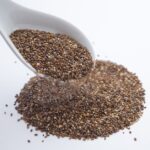
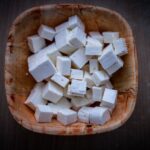
Plant proteins are also important. Lentils, chickpeas, black beans, and kidney beans provide about 15 grams per cooked cup. Tofu and edamame (soybeans) offer around 10–20 grams per serving. Quinoa is a grain that stands out with about 8 grams per cooked cup and is also a complete protein. Nuts and seeds—almonds, peanuts, sunflower seeds, chia seeds—add protein in smaller amounts, roughly 5–10 grams per ounce. Even vegetables like broccoli, spinach, and potatoes contain a few grams per serving.
Grains and breads contribute too. A slice of whole-wheat bread has about 3–4 grams. Pasta, rice, and oats provide modest amounts. While these are not protein powerhouses, they add up over a day.
How Much Protein Do You Actually Need?
The general recommendation for healthy adults is 0.8 grams of protein per kilogram of body weight per day. For someone who weighs 150 pounds (68 kilograms), that works out to about 55 grams. This amount is enough to prevent deficiency for most people. Athletes, pregnant women, and older adults may need more—sometimes 1.2 to 2.0 grams per kilogram, depending on activity level and health goals.
Most Americans eat more protein than the minimum. A typical diet easily provides 70–100 grams daily. Spreading protein intake across meals, rather than loading it at dinner, helps your body use it more efficiently. There is no established upper limit for protein from food, but very high intakes (over 2 grams per kilogram for extended periods) may strain kidneys in people with existing kidney disease.
Complete vs. Incomplete Protein: Does It Matter?
Animal proteins contain all essential amino acids in good amounts. Most plant proteins lack one or more of these essentials, making them “incomplete.” But this is not a practical problem for people who eat a varied diet. If you eat beans with rice, peanut butter on whole-wheat bread, or hummus with pita, you get complementary amino acids that together form a complete protein. The old idea that you must combine proteins at every meal has been shown unnecessary. As long as you eat a mix of plant proteins throughout the day, your body gets what it needs.
Soy is the notable exception among plants—it is a complete protein on its own. Edamame, tofu, tempeh, and soy milk all provide high-quality protein comparable to animal sources.


Protein in Unexpected Foods
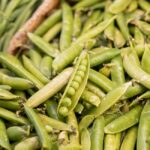
Some foods contain protein that may surprise you. A cup of cooked pasta has about 8 grams. A baked potato has 4 grams. Even a medium banana has 1 gram. Vegetables like Brussels sprouts (3 grams per cup), peas (8 grams per cup), and kale (2 grams per cup) add small but meaningful amounts. If you are tracking your intake, these contributions can add 10–20 grams over the course of a day without you realizing it.
Condiments and sauces rarely contain significant protein. But some protein-fortified products—like certain breads, pastas, and yogurt—have added protein. Check the label because amounts vary widely. “High protein” on a package means at least 20% of calories come from protein, but that does not always mean it is a healthier choice than whole-food sources.
Plant Protein vs. Animal Protein: Which Is Better?
Both types can meet your protein needs. Animal protein is more concentrated and easier for the body to absorb. But diets high in red and processed meats are linked to increased risk of heart disease and certain cancers. Plant protein comes with fiber, vitamins, and minerals that animal foods lack. Replacing some animal protein with plant protein has been associated with lower rates of chronic disease in observational studies.
There is no single “best” source. The healthiest choice depends on your overall diet, budget, and personal preferences. People who eat a variety of both animal and plant proteins typically get adequate amino acids without needing supplements.
Can You Get Too Much Protein?
Yes, but it is unlikely for most people. Very high protein intakes—consistently above 2 grams per kilogram of body weight—may lead to dehydration, kidney strain, and unwanted weight gain if extra calories come from protein-rich foods. There is no established toxicity, but balance is sensible. For healthy individuals, a protein intake of 10–35% of total daily calories is within the Acceptable Macronutrient Distribution Range set by health authorities.
Protein supplements like powders and bars are not necessary for most people. Whole foods provide protein along with other nutrients. If you use supplements, they are safe in typical amounts, but they should not replace meals regularly.
Frequently Asked Questions
What foods are highest in protein?
Chicken breast, beef, fish, eggs, Greek yogurt, cottage cheese, tofu, lentils, and beans are among the highest. A 3-ounce serving of chicken has about 26 grams.
Do vegetables have protein?
Yes, but in smaller amounts. Broccoli, spinach, peas, and potatoes contain several grams per serving. They contribute to daily protein but are not primary sources.
How can I get enough protein on a plant-based diet?
Eat a variety of legumes, soy products, nuts, seeds, and whole grains. Combining different plant proteins throughout the day ensures you get all essential amino acids.
Is too much protein bad for your kidneys?
In people with healthy kidneys, high protein intake is generally safe. But in those with existing kidney disease, excess protein can worsen function. There is no evidence that a normal protein intake harms healthy kidneys.
