
Probiotics are living microorganisms that, when consumed in adequate amounts, can offer health benefits. You can find them naturally in fermented foods and in dietary supplements. The most common types are Lactobacillus and Bifidobacterium, though other strains like Saccharomyces boulardii also exist.
What Foods Are Naturally High in Probiotics?
Fermented foods are the primary natural source of probiotics. Fermentation happens when bacteria or yeast break down sugars in food. Not every fermented food contains live probiotics, but many do.
Yogurt is the most well-known source. Look for brands that state “live and active cultures” on the label. Some yogurts are pasteurized after fermentation, which kills the beneficial bacteria. If the label does not mention live cultures, assume they are not there.
Kefir is a fermented milk drink that typically contains a wider variety of bacterial strains than yogurt. It is made by adding kefir grains to milk. The grains are not grains like wheat or rice — they are colonies of bacteria and yeast.
Other fermented dairy options include some aged cheeses like Gouda, cheddar, and Swiss. The aging process can allow beneficial bacteria to survive, though amounts vary widely between products.
Which Fermented Vegetables and Soy Foods Contain Probiotics?
Sauerkraut is shredded cabbage fermented with lactic acid bacteria. To get probiotics from sauerkraut, it must be unpasteurized. Canned sauerkraut is typically pasteurized, which kills the live bacteria. Refrigerated sauerkraut from the produce section is more likely to contain live cultures.
Kimchi is a Korean side dish made from fermented vegetables, usually cabbage and radishes, with chili pepper and other seasonings. Like sauerkraut, it contains lactic acid bacteria. The specific strains vary depending on the recipe and fermentation conditions.
Miso is a Japanese seasoning made from fermented soybeans. It is commonly used in miso soup. The fermentation process uses a fungus called Aspergillus oryzae, along with bacteria. Miso contains live probiotics, though cooking it at high temperatures can destroy them. Adding miso to soup after the soup has cooled slightly preserves more of the live cultures.
Tempeh is a fermented soybean cake that originated in Indonesia. The fermentation process binds the soybeans into a firm patty. Tempeh contains probiotics, but it is usually cooked before eating, which can reduce the number of live organisms.
Is Kombucha a Reliable Source of Probiotics?
Kombucha is a fermented tea drink made with a symbiotic culture of bacteria and yeast, often called a SCOBY. The fermentation produces a slightly fizzy, tart beverage.
Kombucha does contain live bacteria and yeast. However, the strains and amounts vary significantly between brands and even between batches from the same brand. Some commercial kombuchas are pasteurized or filtered, which removes live microorganisms. Check the label for phrases like “raw” or “unpasteurized” and look for visible sediment, which often indicates live cultures are present.
One important note: kombucha is not a substitute for established probiotic sources if you are seeking a specific health benefit. The evidence for kombucha’s probiotic effects is less robust than for yogurt or kefir. Some research suggests it has antioxidant properties, but large human trials confirming specific health outcomes are limited.
What About Pickles, Olives, and Other Brined Foods?
Pickles can contain probiotics, but only if they are fermented in salt water rather than preserved in vinegar. Cucumbers pickled in vinegar do not contain live bacteria. Fermented pickles are usually found in the refrigerated section of grocery stores. The label often says “fermented” or “naturally fermented.”
Olives are brined and fermented during processing. Some varieties retain live lactic acid bacteria. However, many commercial olives are pasteurized or treated with lye, which eliminates live cultures. As with pickles, refrigerated options are more likely to contain probiotics than shelf-stable ones.
Other brined vegetables like fermented carrots, green beans, and beets can also contain probiotics if they undergo true lactic acid fermentation. The key distinction is always the same: fermentation with live bacteria versus preservation with vinegar or heat.
Are There Non-Dairy Probiotic Drinks and Foods?
Water kefir is a fermented drink made from sugar water, fruit juice, or coconut water. It uses different kefir grains than milk kefir. Water kefir contains a variety of bacteria and yeasts, though the specific strains differ from dairy kefir.
Some non-dairy yogurts made from coconut, almond, or soy are fortified with probiotics. These products have bacterial cultures added after processing. They can be good options for people who avoid dairy, but the strain selection and viability vary by brand.
Certain fermented grain or vegetable beverages, like some traditional drinks from various cultures, also contain probiotics. Examples include boza, a fermented grain drink popular in the Balkans and Middle East, and some traditional fermented rice drinks in Asia. These are less common in US grocery stores but are worth mentioning for completeness.
How Do Probiotic Supplements Compare to Food Sources?
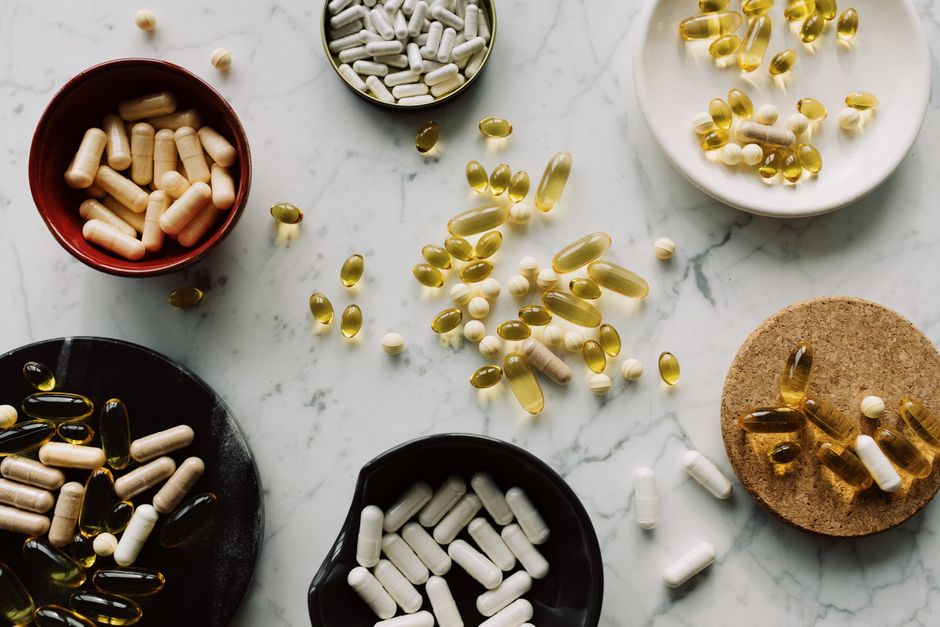
Supplements offer a concentrated dose of specific strains. They are measured in colony-forming units, or CFUs. A typical supplement contains anywhere from one billion to 100 billion CFUs per serving. Food sources generally contain far fewer organisms, but they also provide other nutrients like protein, vitamins, and fiber.
The evidence for specific health benefits is strain-specific. A strain that helps with one condition may not help with another. For example, some strains of Lactobacillus rhamnosus have been studied for digestive health, while other strains are studied for immune function. No single strain does everything.
Supplements are not regulated as strictly as medications in the United States. The FDA does not require proof of effectiveness before a supplement goes to market. This means the actual CFU count on a label may not match what is in the bottle. Some independent testing organizations have found discrepancies between labeled and actual contents in some products.
What Has Probiotics In Them: A Quick Reference
| Food | Contains Live Probiotics | Key Consideration |
|---|---|---|
| Yogurt | Yes, if labeled with live cultures | Pasteurized yogurt has no live bacteria |
| Kefir | Yes | Typically more strains than yogurt |
| Sauerkraut | Yes, if unpasteurized | Canned versions are usually pasteurized |
| Kimchi | Yes | Strains vary by recipe |
| Miso | Yes | High heat kills the bacteria |
| Kombucha | Yes, if raw and unpasteurized | Strain content varies widely |
| Pickles | Only if fermented in brine | Vinegar pickles have no probiotics |
| Cheese (Gouda, cheddar) | Some varieties | Amounts vary by product |
Do Prebiotics Matter for Probiotic Benefits?
Prebiotics are types of fiber that feed beneficial bacteria already living in your gut. They are not probiotics themselves. Common prebiotic foods include garlic, onions, bananas, oats, and asparagus.
Consuming prebiotics alongside probiotics is sometimes called synbiotic therapy. The idea is that prebiotics help the probiotic organisms survive and establish in the digestive tract. Some research supports this concept, though the strength of the evidence varies by specific pairing.
You do not need to buy expensive prebiotic supplements. Whole foods that contain prebiotic fiber are generally sufficient. A diet rich in plant foods naturally provides the fiber that supports a healthy gut microbiome.
Who Should Be Cautious About Probiotics?
Most healthy adults can consume probiotics without issues. Mild gas and bloating are the most common side effects, especially during the first few days of use. These symptoms usually resolve on their own.
People with compromised immune systems should talk to a doctor before taking probiotics. This includes people undergoing chemotherapy, organ transplant recipients, and those with severe pancreatitis. In rare cases, probiotics have caused serious infections in these populations.
Pregnant women should also discuss probiotic use with their healthcare provider. While many studies have examined probiotic use during pregnancy, no universal safety recommendation exists. The evidence for specific benefits like reducing gestational diabetes risk is mixed and not conclusive enough for a blanket recommendation.
If you have a central venous catheter, probiotics carry a small risk of contamination. The organisms can potentially enter the bloodstream through the catheter. This is a rare but serious concern that should be discussed with your medical team.
Frequently Asked Questions
What is the best food source of probiotics?
Yogurt and kefir are the most reliable food sources because they consistently contain live active cultures when labeled as such. Fermented vegetables like unpasteurized sauerkraut and kimchi are also good options.
Do I need to take a probiotic supplement if I eat fermented foods?
No, supplements are not necessary if you regularly consume fermented foods that contain live cultures. Food sources provide probiotics along with other beneficial nutrients.
Can I get probiotics from fruits and vegetables?
Fresh fruits and vegetables do not naturally contain probiotics, but fermented versions of them can. The fermentation process introduces beneficial bacteria that are not present in the raw produce.
How long do probiotics survive in the digestive tract?
Most probiotic strains pass through the digestive system within a few days and do not permanently colonize the gut. Regular consumption is needed to maintain their presence.
