
Magnesium is in pumpkin seeds, almonds, cashews, peanuts, spinach, Swiss chard, black beans, edamame, potatoes, brown rice, oats, yogurt, and milk. It is also found in dark chocolate, avocados, bananas, and fortified breakfast cereals. These foods cover the everyday sources most people can name. The full list is longer, and so is the list of what magnesium actually does in your body.
Magnesium is a mineral your body uses in more than 300 enzyme reactions. Those reactions help regulate muscle and nerve function, blood sugar, blood pressure, and the building of bone and protein. Your body does not make magnesium. It has to come from food, water, or supplements.
Most adults in the United States get less magnesium from food than the recommended amount. That gap is real, but it does not automatically mean most people have a deficiency. The two are not the same thing, and that distinction matters for how you read food labels and supplement marketing.
What Foods Have the Most Magnesium In Them?
Seeds, nuts, and legumes sit at the top of the list. Pumpkin seeds are one of the richest single sources. A one-ounce serving of roasted pumpkin seeds provides about 150 mg of magnesium. Almonds, cashews, and peanuts are close behind. So are cooked black beans, lima beans, and edamame.
Leafy greens contribute too, though the amount depends on how the plant was grown. Spinach and Swiss chard are the standouts. Whole grains like brown rice, oats, and quinoa add magnesium, as do potatoes with the skin left on.
Animal foods are not empty of magnesium, but they carry less. Milk and yogurt provide moderate amounts. Fish, poultry, and meat contain some, just not at the levels found in seeds and beans.
Here is a comparison of common foods and their approximate magnesium content. Values are drawn from USDA nutritional data and are rounded.
| Food | Serving | Magnesium (approx.) |
|---|---|---|
| Pumpkin seeds, roasted | 1 oz | 150 mg |
| Almonds | 1 oz | 80 mg |
| Cashews | 1 oz | 74 mg |
| Peanuts | 1 oz | 48 mg |
| Spinach, cooked | 1/2 cup | 78 mg |
| Black beans, cooked | 1/2 cup | 60 mg |
| Edamame, cooked | 1/2 cup | 50 mg |
| Potato with skin | 1 medium | 48 mg |
| Brown rice, cooked | 1/2 cup | 42 mg |
| Yogurt, plain | 1 cup | 42 mg |
| Banana | 1 medium | 32 mg |
| Dark chocolate (70-85%) | 1 oz | 64 mg |
One detail worth knowing: how a food is processed changes its magnesium. Refining grains strips away much of the mineral, which is why white rice and white bread carry far less than their whole-grain versions. Cooking methods matter less, since magnesium is not destroyed by heat the way some vitamins are.
How Much Magnesium Do You Actually Need?
The recommended daily amount for adults ranges from about 310 mg to 420 mg, depending on age and sex. Adult men generally need more than adult women. Needs rise during pregnancy.
The recommended amounts are set by the Food and Nutrition Board of the National Academies, the body that establishes dietary reference intakes in the United States. These figures are the standard reference for planning intake.
Getting that amount from food is achievable. A day that includes a serving of pumpkin seeds, a cup of beans, a cup of spinach, and a potato with skin covers a large share of it without any supplement at all.
This is where the food-versus-supplement question gets interesting. Surveys suggest a large share of US adults fall short of the recommended magnesium intake from food alone. But blood tests rarely show widespread deficiency. The reason is that your body defends its magnesium level tightly. When intake drops, the kidneys reduce how much they excrete, and bone can release stored magnesium to keep blood levels steady.
So a low intake on paper does not always mean a low level inside the body. That gap is one reason the “everyone is magnesium deficient” claim you see online is overstated. It is also why the claim is not entirely baseless — the intake numbers are genuinely low for many people.
Which Foods Are Best If You Want More Magnesium?
The best sources are the ones you will actually eat regularly. A food you never buy does nothing for your intake, no matter how high it ranks on a list.
If you want to raise magnesium without much effort, these approaches work well:
- Add a handful of seeds or nuts to breakfast or a salad.
- Choose whole grains over refined ones when you can.
- Include beans or lentils a few times a week.
- Keep the skin on potatoes.
- Use cooked leafy greens as a side rather than a garnish.
None of these require special products. The magnesium comes from ordinary food, not from a fortified drink or a powder.
One clarification that surprises people: magnesium is not the same as calcium or potassium, and it is not interchangeable with them. They work together in the body, but they are separate minerals with separate food sources and separate recommended amounts. A food high in one is not automatically high in the others.





Does Magnesium in Food Get Absorbed Well?
Absorption varies. Your body absorbs a larger share of magnesium when your intake is low and a smaller share when intake is high. That built-in adjustment is one reason food sources rarely cause problems.
Some natural compounds in food reduce absorption. Phytates, found in seeds, nuts, and whole grains, bind magnesium and lower how much you take in. Oxalates, found in spinach and some other greens, do the same. This does not make those foods bad sources — they are still among the best — it just means the label number is not the same as the amount your body uses.
Fiber and protein in the diet can affect absorption too. The practical takeaway is not to avoid these foods. It is that magnesium from a varied diet is absorbed gradually and regulated, which is different from the sudden load a supplement can deliver.
Is Magnesium Deficiency Common?
True magnesium deficiency is uncommon in healthy people eating typical diets. When it does occur, it is usually tied to a specific cause rather than to diet alone.
Conditions that can lead to low magnesium include chronic gastrointestinal problems that cause malabsorption, heavy alcohol use, poorly controlled diabetes, and long-term use of certain diuretics or proton pump inhibitors. These are clinical situations, not everyday ones.
Symptoms of low magnesium can include muscle cramps, weakness, and fatigue, though these symptoms have many other causes and are not specific to magnesium. This is an important point. Muscle cramps are often blamed on magnesium, but the evidence that magnesium reliably fixes ordinary cramps is weak. Some studies suggest benefit in pregnancy-related leg cramps; results in other groups are mixed or show little effect.
If you suspect a real deficiency, the answer is a conversation with a clinician, not a self-diagnosis from a symptom list. Blood magnesium tests exist, though they have limits — most of the body’s magnesium sits in bone and inside cells, not in blood, so a normal blood level does not always rule out a problem.
Do You Need a Magnesium Supplement?
Most people who eat a varied diet do not need one. Food sources cover the requirement for the majority of healthy adults, and the body regulates its own levels well.
Supplements can matter in specific situations. Some clinicians recommend them for people with confirmed deficiency, certain chronic conditions, or those taking medications that deplete magnesium. That is a decision to make with a clinician who knows your history, not from a general article.
It is worth being direct about the marketing. Magnesium supplements are often sold for sleep, anxiety, and general calm. The evidence for these uses is limited and mixed. Some small studies suggest a possible role in sleep quality, but the research is not strong enough to call it established. No large human trials have confirmed that magnesium supplements reliably improve sleep or anxiety in people who are not deficient.
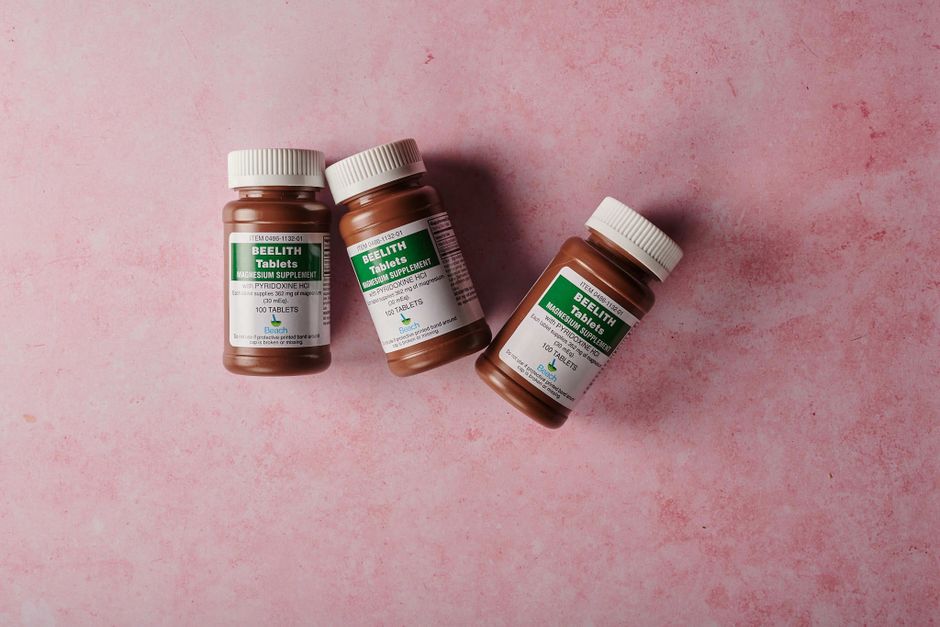
There is also a real safety point. Magnesium from food does not cause harm in healthy people because the kidneys remove the excess. Magnesium from supplements is different. High doses can cause diarrhea and stomach upset, and very high doses can be dangerous, particularly for people with kidney disease who cannot clear the mineral properly. That is why supplement amounts should come from a clinician or a product label, not from guesswork.
The simplest honest summary: get magnesium from food when you can, since that is where it is best absorbed and safest. Treat supplement claims with caution, especially the ones that promise better sleep or lower stress. The mineral is genuinely important. The hype around it is not always matched by the evidence.
Frequently Asked Questions
What has magnesium in it the most?
Pumpkin seeds are among the richest single food sources, with about 150 mg of magnesium per one-ounce serving. Almonds, cashews, and cooked spinach are also high.
Are bananas a good source of magnesium?
Bananas contain magnesium, but a medium banana provides only about 32 mg, which is modest compared with seeds, nuts, and beans. They are a helpful addition, not a top source.
Do most people need a magnesium supplement?
Most healthy adults who eat a varied diet do not need one, because food sources cover the requirement and the body regulates its own levels. Supplements are typically reserved for confirmed deficiency or specific medical situations.
Can you get too much magnesium from food?
No, magnesium from food does not cause harm in healthy people because the kidneys remove the excess. High doses from supplements are a different matter and can cause problems, especially in people with kidney disease.
