
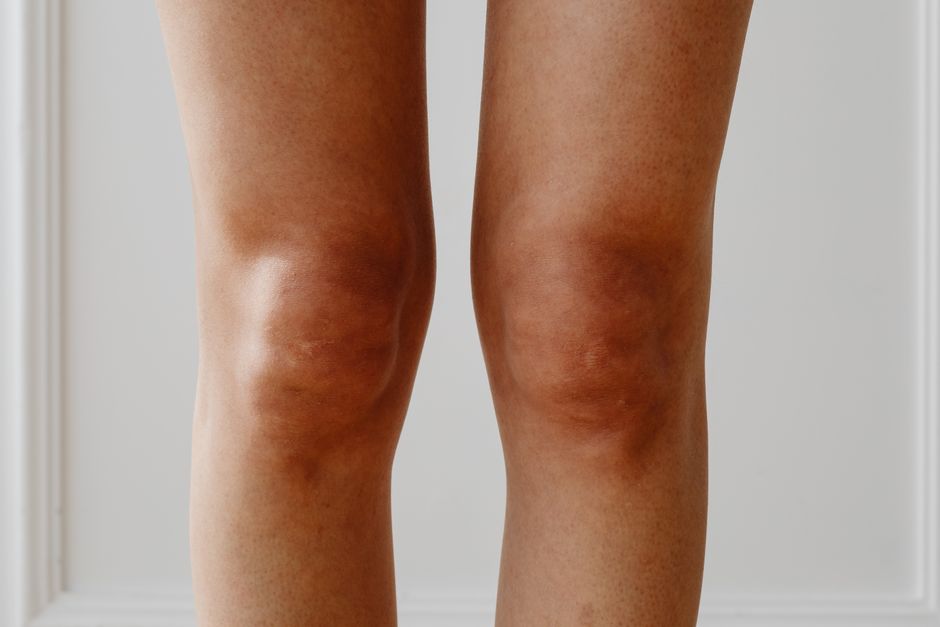
Your knee cap, or patella, is built to take force, but a direct, hard impact can still cause real damage. The immediate result is usually intense pain, swelling, and a temporary inability to bend the knee properly. In most cases, a hard knock causes bruising of the bone and soft tissue, which heals with rest. However, a strong enough impact can also fracture the bone or dislocate it, which requires medical treatment.
Why Does Hitting Your Knee Cap Hurt So Much?
The knee cap sits right at the front of the joint, with very little padding between it and the skin. It is a bone, and bones have a dense network of nerve fibers in the outer covering called the periosteum. When you hit that area, the force travels directly into this sensitive layer, which is why the pain feels sharp and immediate.
The knee also has a large nerve supply because it is a major weight-bearing joint. The patella itself acts like a shield for the knee joint, taking the brunt of any fall or collision. This is protective for the deeper structures, but it leaves the patella exposed to injury.
What Happens Inside the Knee Right After Impact?
When you hit your knee cap hard, several things occur in rapid succession. The first is a local inflammatory response. Blood vessels in the area may tear, causing blood to leak into the soft tissues. This is what creates a bruise, known medically as a contusion.
Fluid also rushes to the area, which causes swelling. This swelling is not just cosmetic; it physically restricts how much you can bend or straighten your leg. The muscles around the knee, especially the quadriceps, often go into spasm to protect the injured area. This is why your knee may feel stiff and weak immediately after the injury.
How Can You Tell If It Is Just a Bruise or a Fracture?
Distinguishing between a bone bruise and a fracture is not always simple, even for doctors. A bone bruise is a bleed inside the bone itself. It is painful but does not disrupt the structure of the bone. A fracture is an actual break in the bone. Both cause significant pain and swelling.
You should seek medical attention if you cannot straighten your leg, if the knee gives way when you try to stand, or if the pain prevents you from putting any weight on it. An inability to lift your leg straight off the bed while lying down is a specific sign that the injury may be more serious, as this can indicate damage to the tendon or a fracture.





What Happens When You Hit Your Knee Cap Really Hard and Dislocate It?
A dislocation occurs when the patella slides out of its normal groove at the end of the thigh bone. This usually happens to the outside of the knee. The knee will look deformed, and you will not be able to bend it. The pain is severe, and the kneecap may be visibly out of place.
A dislocation often pops back into place on its own when you straighten your leg. If it does not, it requires medical reduction, where a clinician gently guides it back. Even after it is back in place, the ligaments that hold the patella in position are stretched or torn. These ligaments, called the medial patellofemoral ligament, often need time and physical therapy to heal properly.
What Is the Best Way to Treat a Hard Knock to the Knee?
For a straightforward contusion where you can bear weight and move the knee, the initial treatment is conservative. Resting the knee and avoiding activities that cause pain is the first step. Applying ice for 15 to 20 minutes at a time, several times a day, can help reduce swelling and numb the pain. Compression with an elastic bandage and elevation above heart level also help control swelling.
Over-the-counter pain relievers like ibuprofen or naproxen can help with pain and inflammation, but you should check with your doctor first if you have other medical conditions. The most important thing is to listen to your body. If walking hurts, do not force yourself to walk on it. If the pain does not improve within a few days, or if it gets worse, see a doctor.
How Long Does a Knee Cap Injury Take to Heal?
Recovery time depends entirely on the severity of the injury. A simple bruise to the soft tissue often feels significantly better within a few days and fully resolves within a couple of weeks. A bone bruise takes longer, often four to six weeks, because the bone has to reabsorb the leaked blood and repair itself.
Fractures and dislocations require a longer recovery. A non-displaced fracture may require a brace for several weeks. A dislocation typically requires a period of immobilization followed by physical therapy. Returning to sports or high-impact activity before the knee has healed increases the risk of re-injury, so it is important to progress gradually.
When Should You See a Doctor for a Knee Injury?
You should go to urgent care or the emergency room if you hear a popping sound at the time of impact and then cannot bear weight. Significant swelling that develops within the first hour or two is also a red flag, as this can indicate bleeding into the joint. Numbness or a feeling of coldness in your foot or lower leg is another sign that requires immediate evaluation.
If you can walk but your knee feels unstable, like it is going to buckle, you should not wait to see if it improves. This can be a sign of ligament damage, not just a bruise. An X-ray is often the first step to rule out a fracture, and an MRI may be used later if soft tissue damage is suspected.
What Not to Do After Hitting Your Knee
The most common mistake is returning to normal activity too quickly. The pain may subside after a few hours, but the tissue is still healing. Pushing through the pain can turn a minor bruise into a longer-lasting problem.
Do not apply heat in the first 48 hours. Heat increases blood flow and can make swelling worse. Do not aggressively massage the area, as this can increase bruising. Avoid deep knee bends or squatting until the pain is completely gone and you have full range of motion.
Frequently Asked Questions
Can hitting your knee cap cause permanent damage?
Most knee cap impacts heal without permanent damage. Long-term issues are more likely if the injury involves a fracture, dislocation, or damage to the cartilage on the back of the patella.
Should I go to the ER if I hit my knee cap hard?
Go to the ER if you cannot bear weight, cannot straighten the knee, or if the joint looks deformed. Also seek immediate care if you have numbness in your foot or severe swelling within the first hour.
How do I know if my knee is broken or just bruised?
An X-ray is the only reliable way to tell a fracture from a bruise. If you have severe pain when resting, pain over the bone itself, or an inability to lift your leg, you should get medical imaging.
Is it safe to walk on a painful knee after a fall?
If walking causes sharp pain or the knee feels unstable, do not walk on it. Resting for the first few days is safer than risking further injury to the joint or the patella.
