
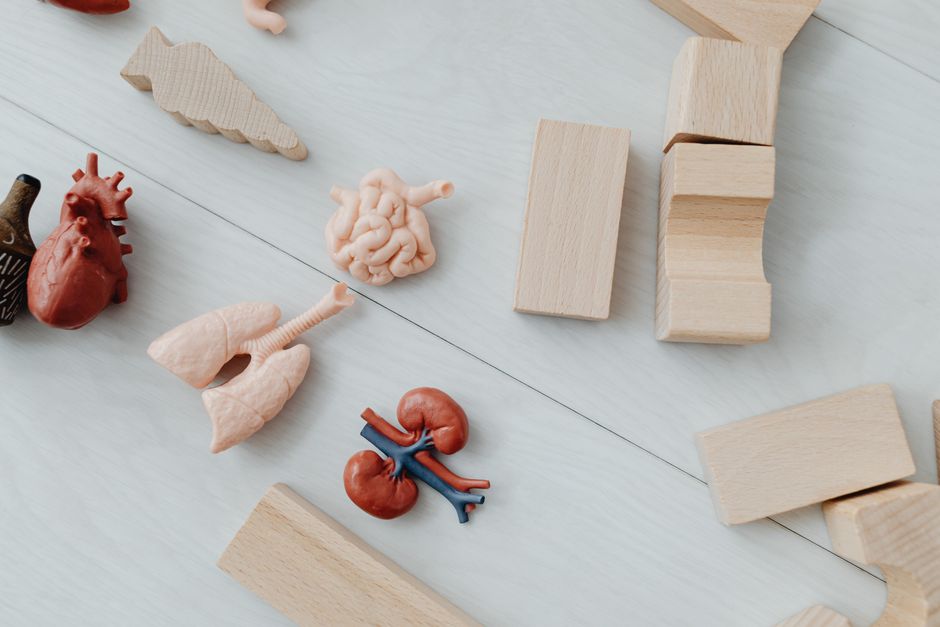
Your kidneys filter about 200 quarts of blood every day. When they fail, that filtering stops — and the consequences reach almost every system in your body. Waste products build up in the blood, fluid collects where it shouldn’t, blood pressure climbs, and the balance of minerals your heart and muscles depend on goes off track. This is not a sudden event in most cases. Kidney failure usually develops slowly over months or years, and the body often compensates until damage is advanced.
What Happens When Kidneys Fail?
When kidneys fail, they lose the ability to filter waste and excess fluid from the blood. This causes waste products like urea and creatinine to accumulate, fluid to build up in tissues and lungs, and the body’s electrolyte balance to shift. Without treatment, these changes become life-threatening.
The medical term for this is kidney failure or end-stage renal disease when it becomes permanent. There are two main types: acute kidney injury, which happens suddenly and may be reversible, and chronic kidney disease, which develops gradually and is generally not reversible once it reaches an advanced stage.
What makes kidney failure particularly serious is that the kidneys do far more than filter waste. They regulate blood pressure, produce a hormone that tells your body to make red blood cells, activate vitamin D, and maintain the right balance of sodium, potassium, calcium, and phosphorus in your blood. When they fail, all of these functions are affected.
How Do the Kidneys Work?
Each kidney contains about a million tiny filtering units called nephrons. Blood enters each nephron through a cluster of capillaries called a glomerulus. Pressure pushes water, waste products, and small molecules through the glomerulus into a tubule. As fluid moves through the tubule, the body reabsorbs what it needs — water, glucose, sodium, and other substances — and sends the rest to the bladder as urine.
This process is remarkably efficient. Healthy kidneys filter roughly 180 liters of fluid per day but produce only about 1 to 2 liters of urine. The rest is reclaimed.
Nephrons don’t regenerate. When they’re damaged or destroyed, the remaining nephrons take on extra work. This compensation can keep kidney function looking normal on blood tests even after significant damage has occurred. That’s one reason chronic kidney disease often goes undetected until it’s advanced.
What Causes Kidney Failure?
The two most common causes of chronic kidney failure in the United States are diabetes and high blood pressure. Together they account for the majority of cases. Both conditions damage the small blood vessels in the kidneys over time, gradually reducing their filtering ability.
Other causes include:
- Glomerulonephritis — inflammation of the kidney’s filtering units
- Polycystic kidney disease — an inherited condition causing cysts to grow on the kidneys
- Prolonged use of certain medications, including some pain relievers
- Repeated urinary tract infections or kidney infections
- Autoimmune diseases such as lupus
- Obstruction of the urinary tract from enlarged prostate or kidney stones
Acute kidney injury has different triggers. It can result from severe dehydration, major surgery, severe infection, certain medications, or a sudden drop in blood flow to the kidneys. Unlike chronic kidney disease, acute kidney injury can sometimes resolve completely if the underlying cause is treated quickly.





What Are the Symptoms of Kidney Failure?
Early kidney failure often produces no symptoms at all. This is why millions of people have chronic kidney disease and don’t know it. Symptoms typically appear only after significant function is lost.
When symptoms do emerge, they can include:
- Swelling in the legs, ankles, feet, or around the eyes
- Fatigue and weakness
- Shortness of breath
- Confusion or difficulty concentrating
- Nausea and vomiting
- Loss of appetite
- Muscle cramps, especially at night
- Dry, itchy skin
- Changes in urination — either more or less than usual
- Metallic taste in the mouth
These symptoms are not specific to kidney failure. They overlap with many other conditions. That’s another reason kidney disease is often missed until it’s advanced.
What Happens to the Body When Kidneys Fail?
The effects of kidney failure are widespread because the kidneys interact with nearly every major system.
Fluid retention. When kidneys can’t remove excess fluid, it builds up in the legs, lungs, and around the heart. Fluid in the lungs — called pulmonary edema — causes shortness of breath and can become an emergency.
Electrolyte imbalance. Potassium levels can rise dangerously high. This is called hyperkalemia, and it can cause irregular heart rhythms. In severe cases, it can stop the heart. Phosphorus also accumulates, which pulls calcium from the bones and weakens them over time.
Anemia. Healthy kidneys produce erythropoietin, a hormone that signals the bone marrow to make red blood cells. Failing kidneys produce less of it, leading to anemia — which causes fatigue, weakness, and pale skin.
Acid buildup. Kidneys help regulate the body’s pH by removing acids. When they fail, acid accumulates in the blood, a condition called metabolic acidosis. This can worsen bone disease and muscle wasting.
Blood pressure problems. The kidneys play a central role in blood pressure regulation. Failing kidneys often cause blood pressure to rise, which in turn damages the kidneys further — a cycle that accelerates decline.
How Is Kidney Failure Diagnosed?
Doctors use blood and urine tests to assess kidney function. The most common measures are:
| Test | What It Measures | Typical Normal Range |
|---|---|---|
| Serum creatinine | Waste product filtered by kidneys | About 0.7–1.3 mg/dL (varies by age, sex, muscle mass) |
| eGFR | Estimated glomerular filtration rate | 90 or above is generally considered normal |
| Urine albumin | Protein leaking into urine | Less than 30 mg per gram of creatinine |
The eGFR is calculated from creatinine levels along with age, sex, and other factors. An eGFR below 60 for three months or longer generally indicates chronic kidney disease. An eGFR below 15 is considered kidney failure.
These thresholds come from established clinical guidelines. Your doctor interprets them alongside your overall health, symptoms, and other test results.
What Are the Treatment Options for Kidney Failure?
Treatment depends on whether the failure is acute or chronic, and how advanced it is.
For acute kidney injury, treatment focuses on the underlying cause. This may mean restoring blood flow, stopping a medication that’s causing harm, or relieving an obstruction. Many people recover kidney function if the cause is addressed quickly.
For chronic kidney failure, treatment aims to slow progression and manage complications. Options include:
- Blood pressure control, often with medications called ACE inhibitors or ARBs
- Blood sugar control for people with diabetes
- Dietary changes — limiting sodium, potassium, phosphorus, and sometimes protein
- Medications to lower potassium or phosphorus levels
- Erythropoietin-stimulating agents to treat anemia
- Vitamin D supplements and phosphate binders to protect bones
When kidney function drops below about 10 to 15 percent, dialysis or a kidney transplant becomes necessary. Dialysis does the filtering that the kidneys can no longer do. It can be done through a machine (hemodialysis) or through the lining of the abdomen (peritoneal dialysis).
A kidney transplant, when a suitable donor is available, generally offers better long-term outcomes and quality of life than long-term dialysis. However, it requires surgery, lifelong immunosuppressive medications, and careful monitoring.
Can Kidney Failure Be Prevented?
Not all kidney failure is preventable, but some of the most common causes are manageable. Keeping blood pressure and blood sugar within target ranges significantly reduces risk. So does avoiding unnecessary use of medications that can harm the kidneys, particularly nonsteroidal anti-inflammatory drugs taken regularly over long periods.
Regular testing matters, especially for people at higher risk. That includes anyone with diabetes, high blood pressure, a family history of kidney disease, or who is over age 60. Simple blood and urine tests can detect kidney problems before symptoms appear.
Staying hydrated, not smoking, and maintaining a healthy weight also support kidney health. None of these steps guarantee prevention. But they reduce the burden on the kidneys and lower the risk of progression if early damage is present.
Frequently Asked Questions
How long can you live with kidney failure without treatment?
Without treatment, complete kidney failure is fatal within days to a few weeks. The exact timeline depends on how quickly waste products and fluid accumulate, but dialysis or a transplant is required for survival once kidney function drops below a certain point.
Can kidney failure be reversed?
Acute kidney injury can sometimes be reversed if the underlying cause is treated promptly. Chronic kidney failure is generally not reversible, though treatment can slow its progression and manage complications.
What are the first signs of kidney failure?
Early kidney failure often has no symptoms. When symptoms do appear, they may include swelling in the legs or ankles, fatigue, changes in urination, and difficulty concentrating.
What happens if you don’t treat kidney failure?
Untreated kidney failure leads to dangerous buildup of waste products, fluid in the lungs, dangerous potassium levels, and eventually death. Dialysis or a kidney transplant is necessary for survival once kidney function reaches an advanced stage.
