
Your blood vessels are more than just pipes. They are living tissue that constantly adjusts to keep blood moving. When one gets damaged, your body starts a repair process within seconds. That process is fast, complex, and essential for survival. Here is what actually happens, step by step, from the moment of injury to the final repair.
What Happens When A Blood Vessel Is Damaged?
The immediate response is a tightening of the blood vessel wall. This is called vasoconstriction. The muscle in the vessel wall contracts to narrow the opening. This slows blood flow to the injury site and reduces blood loss. It is the first line of defense and it happens almost instantly.
Next, the body activates the clotting system. Blood cells called platelets rush to the tear. They change shape, become sticky, and clump together at the wound. This forms a temporary plug that seals the break. Then, proteins in your blood called clotting factors create a stronger mesh around the platelet plug. This mesh is fibrin, and it holds the clot together like a net.
The entire process is a delicate balance. Your body must stop the bleeding without forming a clot that blocks the entire vessel. When this balance fails, problems start.
Why Does the Body Need a Blood Vessel Lining?
The inner surface of every blood vessel is lined with a single layer of cells called the endothelium. This layer is not just a barrier. It actively manages blood flow and clotting.
When the endothelium is intact, it releases substances that keep blood thin and prevent platelets from sticking. It produces nitric oxide, which relaxes the vessel wall and keeps blood pressure stable. It also releases chemicals that stop clotting proteins from activating.
When the endothelium is damaged, these protective signals stop. The exposed tissue underneath triggers the opposite response. Clotting begins. This is why high blood pressure or high cholesterol is dangerous. Both conditions damage the endothelium over time, creating sites where clots can form even without a physical injury.
What Are the Two Main Types of Blood Vessel Injury?
Blood vessel damage falls into two broad categories. The first is a physical tear from trauma. A cut, a bruise, or a surgical incision can break the vessel wall. The repair process is the classic one described above: tighten, plug, clot, then rebuild.
The second type is internal damage from disease. This is more common and more dangerous because you cannot see it happening. High blood pressure pushes hard against vessel walls. High blood sugar damages the cells lining the vessel. Smoking introduces toxins that inflame the wall. Over years, this creates small injuries inside the vessel that trigger the same clotting response.
These internal injuries are the starting point for atherosclerosis. Plaque builds up at the damaged sites. If that plaque ruptures, the body treats it like a wound. A large clot forms rapidly. When this happens in a heart artery, it causes a heart attack. When it happens in the brain, it causes a stroke.


How Does the Clot Know When to Stop Growing?
This is one of the most elegant parts of the process. The clot must be large enough to seal the injury but small enough to leave the vessel open. The body manages this with a system of checks and balances.
Healthy endothelium around the injury releases substances that limit clot growth. One of these is tissue plasminogen activator, or tPA. It breaks down fibrin and keeps the clot from expanding too far. The liver also produces proteins that inhibit clotting factors.
If this regulation fails, the clot keeps growing. This is what happens in deep vein thrombosis. A clot forms in a leg vein and blocks blood return to the heart. If part of that clot breaks off, it travels to the lungs. This is a pulmonary embolism, a life-threatening emergency.
Conversely, if the clotting system is too weak, bleeding continues. This happens in hemophilia, where specific clotting factors are missing. It also happens with blood thinners, which are designed to slow the clotting process.
What Happens After the Clot Forms?
The clot is a temporary fix. It stops the bleeding, but it is not the final repair. Over the next days and weeks, the vessel rebuilds itself.
Cells called fibroblasts migrate into the area. They produce collagen, a structural protein that forms new tissue. Smooth muscle cells in the vessel wall multiply and reorganize. New endothelial cells grow across the injured surface to restore the protective lining.
Meanwhile, the body begins breaking down the clot. An enzyme called plasmin dissolves the fibrin mesh. This happens gradually, from the edges of the clot inward. The goal is to restore normal blood flow while the vessel wall heals underneath.
This remodeling phase is why recovery takes time. A small injury may heal in days. A larger injury can take weeks. During this period, the vessel is weaker than normal and more prone to re-injury.
What Are the Signs That a Blood Vessel Is Damaged?
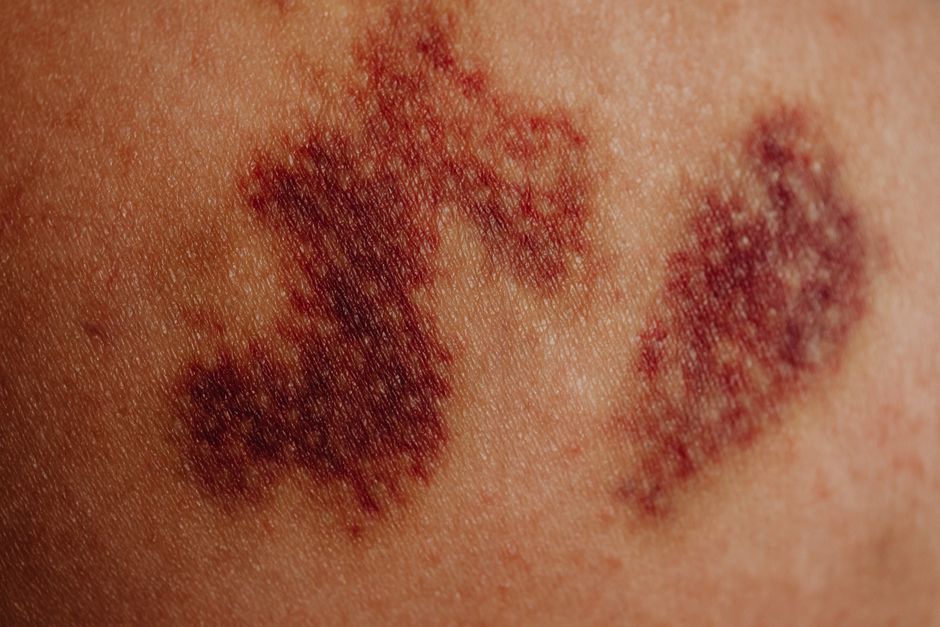
External damage is obvious. You see bruising, swelling, or bleeding. A bruise is blood that leaked from a damaged vessel into the surrounding tissue. The color changes over time as the body breaks down and reabsorbs that blood.
Internal damage is silent. There are no symptoms until the damage causes a problem. This is why heart attacks and strokes often seem to come out of nowhere. The vessel damage built up over years without warning.
Some internal vessel damage does produce symptoms. Peripheral artery disease occurs when plaque narrows arteries in the legs. The first sign is often cramping in the calf during walking that stops with rest. This is called claudication. It means the narrowed vessel cannot deliver enough oxygen to the working muscle.
Damage to vessels in the neck or brain can cause transient ischemic attacks, sometimes called mini-strokes. Symptoms include sudden weakness on one side, difficulty speaking, or vision changes. These symptoms resolve but are a serious warning sign that a larger stroke may follow.
Can Damaged Blood Vessels Repair Themselves?
Yes, to a degree. The repair capacity of blood vessels is real and measurable. When you stop smoking, endothelial function improves within weeks. When blood pressure is controlled, the constant stress on vessel walls decreases. When cholesterol is lowered, plaque growth slows.
However, the repair is not complete regeneration. Scar tissue forms at injury sites. That scar tissue is stiffer and less flexible than the original vessel wall. Over time, repeated damage creates areas of stiffness that contribute to high blood pressure.
Plaque that has already formed does not disappear with lifestyle changes. It can shrink slightly, but it does not vanish. The goal of treatment is to stabilize the plaque so it does not rupture. Statins, blood pressure medications, and lifestyle changes all work toward this stabilization.
Some research suggests that exercise promotes the release of endothelial progenitor cells from the bone marrow. These cells travel to sites of vessel injury and help repair the lining. This is one reason regular physical activity is consistently linked to lower cardiovascular risk. The evidence here is promising but not fully settled.
What Increases Your Risk of Blood Vessel Damage?
Several factors are strongly linked to vessel injury. High blood pressure is the most direct cause. The force of blood against the vessel wall physically damages the endothelium. High cholesterol contributes by allowing fat to deposit at damaged sites. Diabetes damages vessels through high blood sugar, which interferes with endothelial cell function.
Smoking is particularly harmful. It damages the endothelium directly and also makes blood more likely to clot. The combination is dangerous. A smoker with high blood pressure has a much higher risk of vessel damage than someone with either condition alone.
Age is a factor that cannot be controlled. Vessel walls naturally thicken and stiffen over time. This is why cardiovascular risk increases with age even in healthy people. Family history also matters. Some people inherit genes that make their vessel walls more fragile or their clotting system more active.
Frequently Asked Questions
How long does it take for a damaged blood vessel to heal?
Small injuries begin healing within days, but complete repair of the vessel wall takes weeks. Larger injuries or those in areas of ongoing stress may take longer.
Can you feel a damaged blood vessel?
External damage causes bruising, swelling, or pain, but internal vessel damage is usually painless until it causes a serious event like a heart attack or stroke.
Does aspirin help repair damaged blood vessels?
Aspirin does not repair vessel damage. It reduces the risk of clots forming at damaged sites by making platelets less sticky. It is used for prevention, not repair.
What is the fastest way to improve blood vessel health?
Stopping smoking and controlling blood pressure produce the fastest measurable improvements in vessel function. Improvements in endothelial function can begin within weeks of these changes.
