
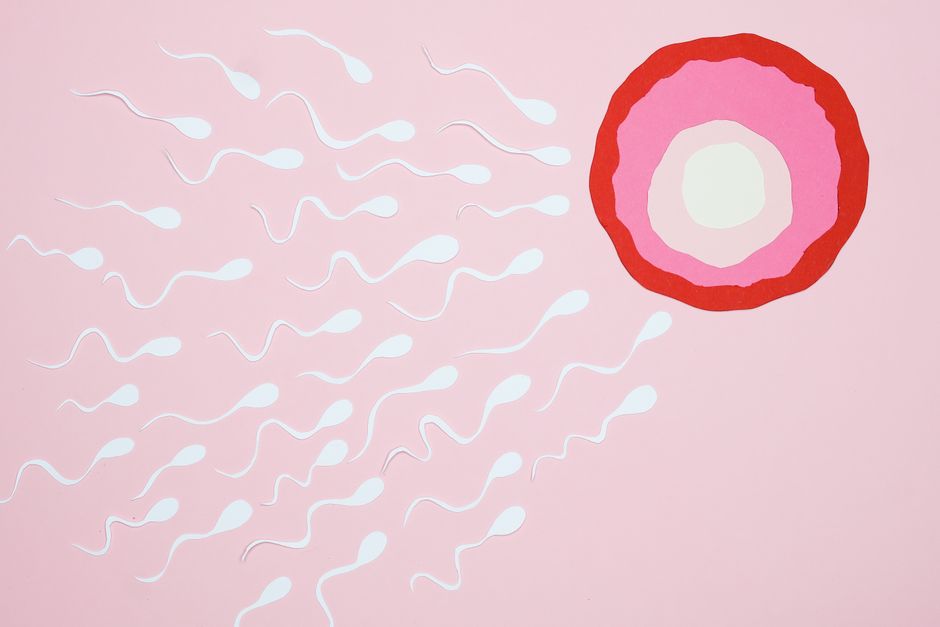
After five days inside the body, sperm are almost certainly dead. Sperm that enter the female reproductive tract and are not expelled or absorbed typically survive for a few days at most, and usually far less. The cervix and cervical mucus offer the most hospitable environment, where some sperm can remain viable for up to about five days. Beyond that window, the vast majority have lost motility and are being cleared by the body’s normal immune and cellular cleanup systems.
The five-day figure is a maximum, not an average. Most sperm die within hours to a day or two. A small number can survive longer under the right conditions, which is why the fertile window around ovulation is often described as spanning several days before ovulation occurs.
How Long Do Sperm Actually Survive In The Body?
Survival depends almost entirely on where the sperm are and what kind of fluid surrounds them.
In the vagina, survival is short. Vaginal fluid is acidic, and that acidity is hostile to sperm. Most sperm deposited in the vagina become immotile within a few hours. The cervical mucus is different. Around ovulation, rising estrogen changes cervical mucus into a thinner, clearer, more alkaline substance that sperm can swim through and survive in. This is the environment where the five-day maximum comes from.
Once sperm move past the cervix into the uterus and fallopian tubes, they are exposed to immune cells and fluid movement. Some reach the fallopian tubes, where fertilization normally happens. Sperm that do not fertilize an egg are gradually broken down and cleared.
Outside the body, survival is much shorter. On dry surfaces, sperm die within minutes. In a warm, moist environment, they can live longer, which is why laboratory handling of semen samples follows strict time limits.
What Happens To Sperm After 5 Days In The Body?
By day five, the surviving sperm are the exception, not the rule. What remains of the rest is being removed through ordinary biological cleanup.
Sperm are cells. Like other cells that die in the body, they are broken down and their components recycled. Immune cells in the reproductive tract recognize sperm as foreign material in some contexts and help clear them. The body does not store dead sperm or accumulate them. They are absorbed and processed through normal cellular mechanisms.
If a sperm has already fertilized an egg, the story changes completely. Once fertilization occurs, that is no longer a free-swimming sperm. It becomes part of a new cell, and the timeline for sperm survival no longer applies.
If no egg is present, the sperm simply degrade. There is no buildup, no delayed release, and no way for sperm to remain dormant and active weeks later.
Why The Five-Day Window Matters For Pregnancy
The reason sperm survival matters is timing. Pregnancy can only happen if live sperm meet a live egg.
An egg survives for roughly 12 to 24 hours after it is released during ovulation. Sperm can survive longer than that inside the reproductive tract. That mismatch is what creates the fertile window. If sperm are already waiting in the fallopian tubes when ovulation happens, fertilization is possible even if intercourse occurred several days earlier.
This is why the days leading up to ovulation matter as much as ovulation day itself. It also explains why the rhythm method and fertility awareness methods require careful tracking — the window is wider than a single day.
It is worth separating two ideas that often get mixed up. Sperm survival is not the same as sperm fertility. A sperm can be alive but unable to fertilize an egg. Motility and normal shape both matter, and these decline before the cell actually dies.




Does Sperm Survive Longer In Some People Than Others?
Survival time varies between individuals and even between cycles in the same person.
Cervical mucus quality is the biggest factor. Mucus that is thick and acidic shortens survival. Mucus that is thin, clear, and stretchy — the kind seen near ovulation — extends it. Hormonal changes across the menstrual cycle drive these shifts.
Other factors that may affect sperm survival inside the body include:
- The pH and consistency of cervical mucus at the time
- Whether ovulation is near
- The health and motility of the sperm themselves
- Immune factors in the reproductive tract
None of these change the general maximum. They shift how close to that maximum a given situation gets.
What About Sperm That Never Enter The Reproductive Tract?
Sperm that are ejaculated and land on skin or fabric dry out and die quickly, usually within minutes. Sperm that remain in the male body and are not ejaculated are handled differently.
The body continuously produces and reabsorbs sperm. Sperm that are not ejaculated are broken down and recycled in the epididymis and vas deferens over time. This is a normal, ongoing process. It does not cause harm and does not require release to stay healthy.
This is a point where a common claim falls apart. There is no evidence that not ejaculating causes sperm to “back up” or damage the reproductive system. The body manages sperm production and breakdown on its own.
Can Sperm Survive Longer Than Five Days?
Five days is the upper end of what is generally reported for sperm in cervical mucus. Claims of much longer survival inside the body do not match what clinical observation and fertility research show.
Outside the body, the picture is different. Sperm can survive longer in laboratory conditions, in warm moist environments, or in semen samples kept at controlled temperatures. That is a laboratory situation, not a natural one inside the body.
Some people ask whether sperm can survive in water, hot tubs, or on surfaces long enough to cause pregnancy. The evidence does not support this. Sperm are fragile outside the body, and the conditions needed for fertilization are specific.
Does The Five-Day Rule Change With Age Or Health?
The five-day maximum is about the environment, not the age of the person. Sperm survival inside the body is mostly determined by cervical mucus and reproductive tract conditions, not by how old either partner is.
Sperm quality does change with age and health. Older men tend to have lower sperm motility and more abnormal sperm shapes, and conditions like varicocele, infections, and hormonal issues can affect sperm health. These affect how well sperm function, not necessarily how long they last inside the body.
What this means practically: if you are trying to conceive or avoid pregnancy, the five-day window is the number that matters most. Sperm health affects the odds of fertilization, but survival time sets the window in which fertilization is even possible.
Frequently Asked Questions
How long can sperm live inside the body?
Sperm can survive up to about five days in cervical mucus, especially around ovulation. Most die much sooner, often within hours to a day or two.
Can sperm survive 7 days in the body?
No. Five days is generally considered the maximum, and survival beyond that is not supported by clinical evidence.
What happens to dead sperm in the body?
Dead sperm are broken down and cleared by the body’s normal cellular and immune cleanup processes. They are not stored or accumulated.
Can you get pregnant 5 days after sex?
Yes, pregnancy is possible if live sperm are still present when ovulation occurs, which can happen up to about five days after intercourse. This is why the fertile window spans several days.
