
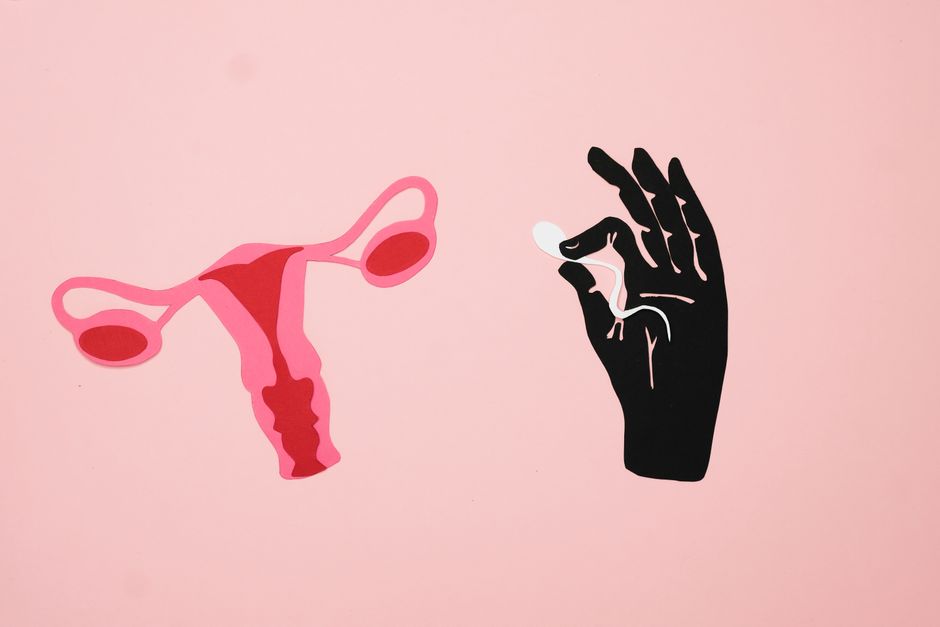
Every month, one ovary releases an egg. Most of the time, that egg is never fertilized — and that is completely normal. An unfertilized egg lives for roughly 12 to 24 hours after ovulation, then it breaks down and is reabsorbed by the body. The uterine lining that was built up to support a possible pregnancy is then shed during a menstrual period.
This cycle repeats hundreds of times over a person’s reproductive years. Understanding what actually happens to that egg — and to the body around it — helps explain a lot about how fertility works and why timing matters so much.
What Happens To A Human Egg That Is Not Fertilized?
Once an egg leaves the ovary at ovulation, it has a short window to meet sperm. If fertilization does not happen, the egg does not simply sit there or exit through the vagina. It degenerates in the fallopian tube or the pelvic cavity.
The egg is a single cell surrounded by a protective layer of cells called the corona radiata and a glycoprotein shell called the zona pellucida. Without fertilization, that cell begins to break down within about a day. Immune cells in the surrounding tissue clear away the cellular remains. This cleanup happens quietly and is not something a person can feel.
What most people notice is not the egg itself but the hormonal shift that follows. After ovulation, the empty follicle left behind in the ovary — now called the corpus luteum — produces progesterone. That hormone thickens and maintains the uterine lining in case a fertilized egg implants. When no pregnancy occurs, the corpus luteum stops producing progesterone and breaks down. Progesterone levels drop. The uterine lining is no longer supported, and it is shed as menstrual blood. This is the period.
So the egg’s fate and the period are part of one continuous process. The period is not “the egg leaving the body.” It is the uterus responding to the absence of a pregnancy signal.
How Long Does An Unfertilized Egg Survive?
An unfertilized egg survives about 12 to 24 hours after it is released. This is one of the shortest windows in the reproductive cycle, and it is a key reason why conception timing is so narrow.
Sperm, by contrast, can survive in the female reproductive tract for up to about five days under favorable conditions. That difference matters. It means pregnancy is possible from intercourse that happens several days before ovulation, but the egg itself must be fertilized soon after release or not at all.
After that window closes, the egg is no longer viable. It cannot be “held” for later, and it does not wait for sperm. This timing is a normal part of the cycle, not a sign of a problem.
Does An Unfertilized Egg Cause A Period?
The period is triggered by falling hormone levels, not by the egg itself. It is more accurate to say the egg’s failure to be fertilized leads to a chain of events that ends in menstruation.
Here is the sequence in plain terms:
- An egg is released at ovulation.
- The empty follicle becomes the corpus luteum and releases progesterone.
- Progesterone keeps the uterine lining thick and stable.
- If no fertilized egg implants, the corpus luteum breaks down.
- Progesterone falls, and the lining is shed as a period.
This is why menstrual cycles vary in length mostly because of when ovulation happens, not because of anything the unfertilized egg does. The egg is a trigger for the cycle’s second half, but the bleeding itself comes from the uterus.





Can You Tell When An Egg Is Not Fertilized?
No. There is no sensation, symptom, or physical sign that tells you an egg was released and not fertilized. The process happens at a cellular level and is not perceptible.
Some people track ovulation using physical cues, such as changes in cervical mucus or a slight rise in basal body temperature after ovulation. These signs reflect hormonal shifts, not the fate of the egg. A temperature rise confirms that ovulation likely occurred, but it does not tell you whether fertilization happened.
The only reliable way to know whether an egg was fertilized is to test for pregnancy, which detects the hormone hCG produced after implantation. That typically becomes detectable around the time of a missed period. A negative test before that point may simply be too early.
What Happens If Fertilization Happens But Implantation Does Not?
Fertilization and implantation are two separate steps, and this distinction matters. An egg can be fertilized and still not result in a pregnancy.
After fertilization, the resulting cell cluster — called a blastocyst — travels toward the uterus over several days. For a pregnancy to continue, it must implant into the uterine lining. If implantation does not occur, the blastocyst breaks down and is reabsorbed, and the cycle proceeds much like an unfertilized one. The period may arrive on time or slightly late.
This is a normal part of human reproduction. Many fertilized eggs do not implant, and this happens without the person ever knowing fertilization occurred. It is not the same as a miscarriage, which refers to a pregnancy that was established and then lost. The distinction is real, though it is often blurred in everyday conversation.
Why The Egg’s Short Life Matters For Fertility
The egg’s brief viability is central to how conception works. Because the egg lives only about a day, the most fertile window centers on the days just before and the day of ovulation. Intercourse during that window gives sperm the best chance to be present when the egg is released.
This also explains why timing-based approaches to conception focus on predicting ovulation rather than counting days from the start of a period. Cycle length varies between people and even between cycles in the same person, so ovulation day is not fixed.
For those trying to conceive, understanding this window can reduce guesswork. For those trying to avoid pregnancy, it is a reminder that the fertile window is real but also that predicting it is not perfectly reliable — which is why fertility awareness methods require careful tracking and are not considered as effective as other forms of contraception for most people.
Does The Body Recycle Or Store Unused Eggs?
No. Eggs that are not fertilized are not stored for later use. The body does not recycle them into future cycles.
A person is born with all the eggs they will ever have — roughly one to two million immature eggs at birth. That number declines over time through a natural process, and only a small fraction ever mature and get released through ovulation. The rest are gradually lost through a process called atresia, which happens continuously and independently of ovulation.
This is why egg supply is finite and why fertility changes with age. Each cycle uses up eggs whether or not ovulation leads to fertilization. There is no reserve that gets topped up, and there is no way to “save” an egg from one cycle for another.
When To Talk To A Doctor
Irregular cycles, very short or very long cycles, or cycles without clear signs of ovulation can affect fertility and may be worth discussing with a healthcare provider. So can difficulty conceiving after a year of trying, or after six months if you are over 35.
These conversations are about the broader hormonal and reproductive picture, not about any single unfertilized egg. One cycle without fertilization is expected. The pattern over time is what matters.
Frequently Asked Questions
How long does an unfertilized egg stay in the body?
An unfertilized egg survives about 12 to 24 hours after ovulation, then breaks down and is cleared by the body. It is not stored or passed out through the vagina.
Does an unfertilized egg come out during a period?
No. The egg breaks down and is reabsorbed before the period begins. Menstrual bleeding is the shedding of the uterine lining, not the egg leaving the body.
Can you get pregnant if the egg is not fertilized right away?
Fertilization must happen within roughly 12 to 24 hours of ovulation, so there is no delayed fertilization once that window passes. However, sperm can survive for up to about five days, so intercourse before ovulation can still lead to pregnancy.
What happens to eggs that are never released?
Most eggs never mature or get released. They are gradually lost through a natural process called atresia that continues throughout a person’s reproductive years.
