
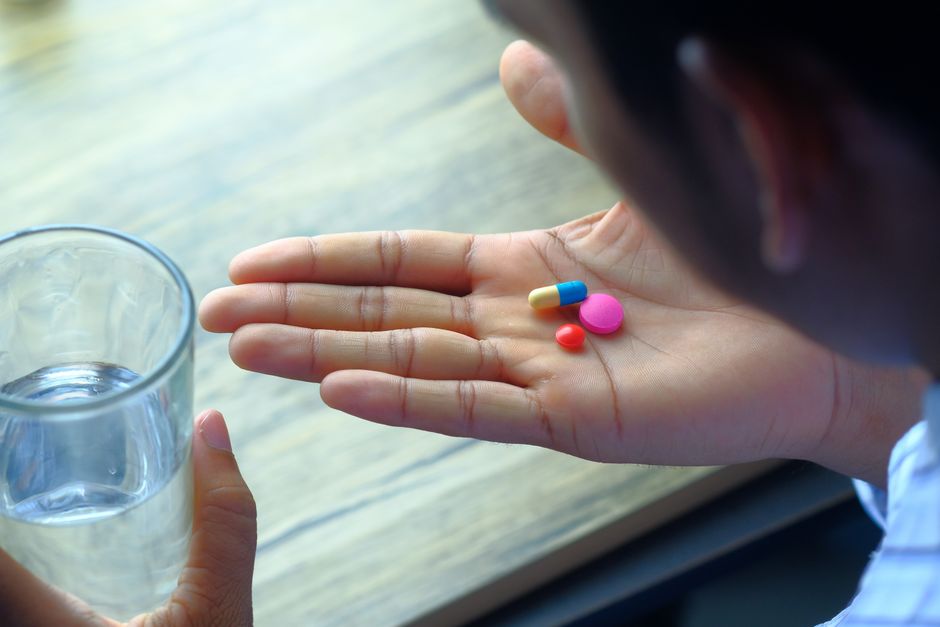
Taking Latuda (lurasidone) without food can significantly reduce how much of the drug your body absorbs. The manufacturer’s prescribing information states that the drug should be taken with a meal of at least 350 calories. When taken on an empty stomach, absorption drops substantially compared to taking it with food. This is not a minor detail — it directly affects how well the medication works.
What Happens If You Take Latuda Without Food?
Your body absorbs much less of the medication. Lurasidone is poorly soluble in water, and it needs food to help it dissolve and move through the gut wall into the bloodstream.
Clinical studies submitted to the FDA found that taking lurasidone without food reduced its bioavailability — the fraction of the drug that actually reaches your bloodstream — to roughly half of what it is when taken with a substantial meal. The exact reduction varies between individuals, but the direction is consistent: less food means less drug absorbed.
This matters because Latuda is prescribed for serious conditions. It is approved to treat schizophrenia and bipolar depression. If you are not absorbing enough of the medication, you may not get the full therapeutic effect your prescriber intended.
What you will not experience is a sudden, dramatic reaction. Missing food with a single dose does not cause an emergency. The problem is subtler — it is about whether your medication is working at the level it should over time.
Why Does Food Make Such a Big Difference With Latuda?
The answer comes down to basic pharmacology. Lurasidone belongs to a class of drugs called atypical antipsychotics, and it has poor water solubility. Your stomach and small intestine need food present to create the right conditions for absorption.
When you eat, several things happen that help the drug get into your system:
- Food stimulates bile release, which helps dissolve fat-soluble compounds like lurasidone.
- Digestion slows stomach emptying, giving the drug more time to dissolve and be absorbed.
- Blood flow to the digestive tract increases during digestion, which can improve uptake.
- Dietary fat appears to play a specific role in enhancing absorption of this drug.
This is not unique to Latuda. Several antipsychotics and other medications have food-dependent absorption. But lurasidone is among the more sensitive ones. The difference between fed and fasting absorption is large enough that the prescribing information specifically addresses it.
One clarification worth making: this is not about stomach upset or nausea. Many drugs say “take with food” to protect your stomach lining. Latuda is different. The food is required for the drug to actually get into your body.
How Many Calories Do You Need With Latuda?
The manufacturer’s prescribing information specifies a meal of at least 350 calories. This is the threshold used in the clinical studies that established the drug’s absorption profile.
That is roughly the size of a small sandwich with a side, or a bowl of oatmeal with a banana and a glass of milk. It is not a full heavy meal, but it is more than a few crackers.
Does the type of food matter? Research suggests that a meal with some fat content improves absorption more than a fat-free meal. But the calorie threshold itself is the main factor identified in the prescribing information.
What about a protein shake or a smoothie? If it reaches 350 calories, it should work similarly. The key is the total caloric content, not the specific food.
This is where many people run into trouble. A cup of coffee and a piece of toast is not 350 calories. A handful of nuts is not 350 calories. If you take your Latuda with a light snack, you may be absorbing it more like a fasting dose than a fed dose.



What Are the Risks of Taking Latuda Without Food?
The main risk is that your medication does not work as well as intended. If you consistently take Latuda without adequate food, you may be receiving a lower effective dose than your prescriber planned.
For someone managing schizophrenia or bipolar depression, that can mean breakthrough symptoms. You might notice mood changes, increased paranoia, or other symptoms returning. Or you might not notice anything at first — which is part of the problem. The decline can be gradual.
There is another angle. If your prescriber does not know you have been taking the drug without food, they may interpret poor symptom control as a need for a higher dose. That could lead to dose adjustments based on incomplete information.
What about side effects? Taking Latuda without food does not typically increase side effects. If anything, you are getting less drug, so side effects may be reduced. But so is the benefit. The goal is consistent, predictable absorption — not less of the drug overall.
There is no evidence that a single missed meal with one dose causes harm. The concern is about the pattern over time.
What Should You Do If You Cannot Eat a Full Meal?
Talk to your prescriber. This is not a situation to manage on your own.
If you genuinely cannot eat 350 calories when it is time to take your medication — because of nausea, appetite loss, religious fasting, or another reason — your prescriber needs to know. They may adjust your dosing schedule, switch to a different medication, or find another approach.
Do not simply skip the dose. Do not double up later. Do not assume it is fine because you feel okay.
Some people find it easier to take Latuda with their largest meal of the day rather than trying to eat a full meal at a time that does not suit them. If your prescriber agrees, shifting the timing could help.
If you are fasting for medical procedures or religious reasons, tell your healthcare provider in advance. They can advise you on whether to adjust your medication schedule during that period.
Does Latuda Still Work If You Take It Without Food?
It works less reliably. The drug is still active — it is not destroyed or made inert by an empty stomach. But less of it reaches your bloodstream.
Think of it this way: if your prescribed dose is 40 mg with food, taking it without food might deliver an effective exposure closer to what you would get from a lower dose taken with food. The exact equivalent varies from person to person.
This is why the prescribing information is clear about the food requirement. It is not a suggestion. It is part of how the drug was studied and approved.
Some medications have flexibility — take with or without food, minor difference. Latuda is not one of them. The food requirement is central to how the drug achieves its therapeutic levels.
What If You Forget to Eat and Already Took Your Dose?
Do not take another dose to compensate. That could lead to too much medication in your system if the first dose does absorb more than expected, or if you take the second dose with food.
Just note what happened. If it becomes a pattern, mention it to your prescriber at your next appointment. If it happens once, it is unlikely to cause a problem. The concern is repeated under-dosing.
If you are unsure whether what you ate was enough, err on the side of mentioning it to your healthcare provider rather than trying to fix it yourself.
Latuda is a medication that requires consistency. The food requirement is not a minor instruction — it is a core part of how the drug is meant to be taken. Getting it right matters for the medication to do its job.
Frequently Asked Questions
Can I take Latuda on an empty stomach?
You can, but you will absorb significantly less of the medication. The prescribing information requires a meal of at least 350 calories for proper absorption.
How long after eating should I take Latuda?
Take it with the meal, not before or after. The food needs to be present in your digestive system at the same time as the medication for absorption to be enhanced.
What happens if I accidentally take Latuda without food?
A single dose without food is unlikely to cause harm, but you may absorb less of the drug. Do not take an extra dose to make up for it — just mention it to your prescriber if it happens often.
Does it matter what kind of food I eat with Latuda?
Caloric content is the main factor. The prescribing information specifies at least 350 calories. Some research suggests that meals containing fat improve absorption more than fat-free meals.
