
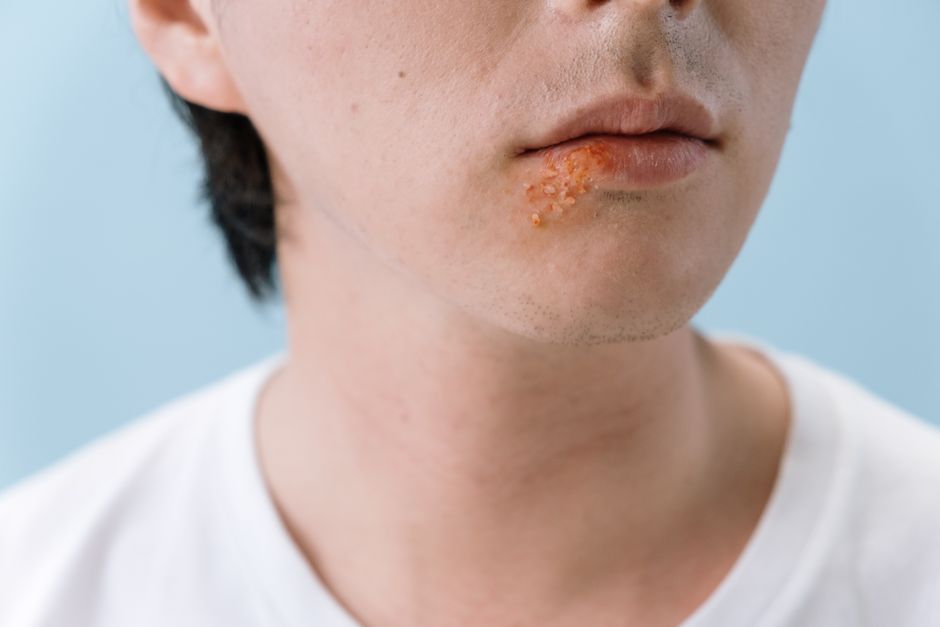
Popping a blister feels satisfying for about two seconds. What usually follows is a small open wound, a longer healing time, and a real chance of infection. A blister forms when fluid collects between layers of skin to cushion and protect the tissue underneath. Puncture that roof and you remove the body’s own bandage, exposing raw skin to whatever bacteria are on your hands, your clothes, or the environment.
What Happens If You Pop A Blister Infection Risks?
The moment a blister is opened, the sterile fluid inside is gone and the skin beneath is exposed. That skin is fragile, thin, and not built to face the outside world. Bacteria that were harmless on the surface of the blister can now get into the tissue underneath.
The most common result is a minor skin infection. The area turns red, feels warm, swells, and may throb or leak pus. In most healthy people, the immune system handles this and the wound heals with basic care. In some cases, the infection spreads deeper or into the bloodstream, which is a medical emergency.
There is a second risk that gets less attention: slower healing. The blister roof was doing real work. It kept the wound moist, blocked bacteria, and reduced friction on the raw skin below. Once it is torn away, healing often takes longer and scarring is more likely.
Why the fluid inside is not the problem
People sometimes pop a blister because the fluid looks unclean. That fluid is mostly serum, a clear liquid filtered from blood. It is not pus, and in a fresh friction blister it is usually sterile. The danger is not what comes out. The danger is what gets in.
Why Blisters Form in the First Place
Repeated rubbing against skin causes the upper layers to separate from the layers below. Fluid fills the gap to cushion the area and allow new skin to form underneath. This is a protective response, not a defect.
Friction blisters most often show up on the feet from ill-fitting shoes, on the hands from tools or sports equipment, and anywhere skin rubs against skin. Heat, moisture, and continued pressure make them worse. A blister on a sweaty foot in a tight shoe is the classic setup.
Other blisters have different causes. Burns, sunburn, chemical exposure, frostbite, and some skin conditions can all produce them. A blister from a burn or a chemical is not the same as a friction blister and needs different handling. If blisters appear in clusters, keep returning, or show up without any obvious cause, that points to something that needs a medical evaluation rather than home care.
How Do You Know a Blister Is Infected?
An infected blister looks and feels different from a normal one. Watch for these signs:
- Increasing redness that spreads outward from the blister
- Warmth in the skin around it
- Swelling that gets worse rather than better
- Pain that intensifies instead of easing
- Pus or cloudy fluid, especially with a bad smell
- A red streak running away from the blister toward the body
Red streaks are a red flag. They can signal that infection is moving through the lymph channels, and that needs prompt medical attention. Fever, chills, or feeling generally unwell are also signs that an infection is no longer local.
One detail worth knowing: not every red, warm blister is infected. Inflammation from the injury itself can cause redness and warmth for a day or two. The key difference is direction. Inflammation from trauma tends to settle. Infection tends to build.




What About Blood Blisters and Burn Blisters?
A blood blister forms when a small blood vessel under the skin breaks along with the tissue separation. The fluid inside is dark red or nearly black. The same rule applies: leave the roof intact if you can. The risk of infection after opening a blood blister is the same as for a friction blister, and possibly higher because the injury is often deeper.
Burn blisters deserve more caution. A burn that blisters is at least a second-degree burn, meaning it has damaged deeper layers of skin. Opening a burn blister increases the risk of infection on skin that is already compromised. Burns larger than a few inches, burns on the face, hands, feet, joints, or genitals, and any burn that looks white, charred, or leathery need medical care. Do not pop burn blisters at home.
When Popping a Blister Might Be Reasonable
There are narrow situations where a clinician will drain a blister. A blister so large and painful that it limits walking or use of a hand, or one that is already leaking, may be drained under clean conditions. This is a judgment call best made by a medical professional, not a bathroom mirror.
If a blister has already torn on its own, the goal shifts to protecting the open skin. Keep the area clean, cover it loosely, and watch for the infection signs listed above. Do not peel away the remaining roof unless it is already detached and dirty.
Some clinicians advise draining a tense blister with a sterile needle at the edge, leaving the roof in place as a natural dressing. This is common practice in sports medicine, though the evidence comparing draining versus leaving blisters alone is limited. It is not something to attempt with a sewing needle and no sterile technique.
How to Lower the Risk of Infection
Prevention is the strongest tool. Stop the friction before a blister forms.
- Wear shoes that fit and break in new ones gradually
- Use moisture-wicking socks and change them when damp
- Apply padding or tape to hot spots before they blister
- Keep feet dry and cool during long activity
- Wear gloves for work that rubs the hands
If a blister does form, leave it alone. Cover it loosely with a bandage or a blister-specific dressing to reduce friction. Clean the area gently with mild soap and water. Do not apply alcohol, hydrogen peroxide, or iodine to an intact blister, as these can damage tissue and delay healing.
If the blister opens on its own, wash your hands before touching it, clean the wound gently, and cover it. Change the dressing daily or whenever it gets wet or dirty.
Who Is at Higher Risk From an Infected Blister?
Most infected blisters in healthy people stay minor. Some groups face a much higher risk of serious infection:
- People with diabetes, especially with reduced feeling in the feet
- People with weakened immune systems from illness or medication
- People with poor circulation in the legs or feet
- Older adults with fragile skin
For these groups, even a small blister can become a serious problem. A foot blister in someone with diabetes can go unnoticed and progress to a deep infection or ulcer. This is one reason routine foot checks matter in diabetes care. If you fall into any of these groups and a blister looks even slightly off, contact a clinician rather than waiting.
When to Get Medical Help
Seek care if redness is spreading, if there is a red streak, if pus is present, if the pain is getting worse, or if you develop a fever or chills. Also seek care for any blister that will not heal, keeps coming back, or appears without a clear cause.
Do not wait to see if it improves on its own if you have diabetes, poor circulation, or a weakened immune system. In those cases, early treatment is far easier than treating a spreading infection.
Frequently Asked Questions
Can popping a blister cause an infection?
Yes. Opening a blister creates an open wound and removes the protective skin that kept bacteria out. Infection is one of the most common results of popping a blister, especially if hands or tools are not clean.
How long does an infected blister take to heal?
Minor infected blisters often improve within several days with basic wound care, but healing time varies widely with the size, location, and your overall health. If it is not clearly improving within a few days, or is getting worse, see a clinician.
Should I pop a blood blister?
No. A blood blister should be left intact just like a friction blister, because the roof protects the skin underneath. Opening it raises the risk of infection and slows healing.
What does an infected blister look like?
Signs include spreading redness, warmth, swelling, increasing pain, and pus or cloudy fluid. A red streak moving away from the blister, fever, or chills mean you should get medical care right away.
